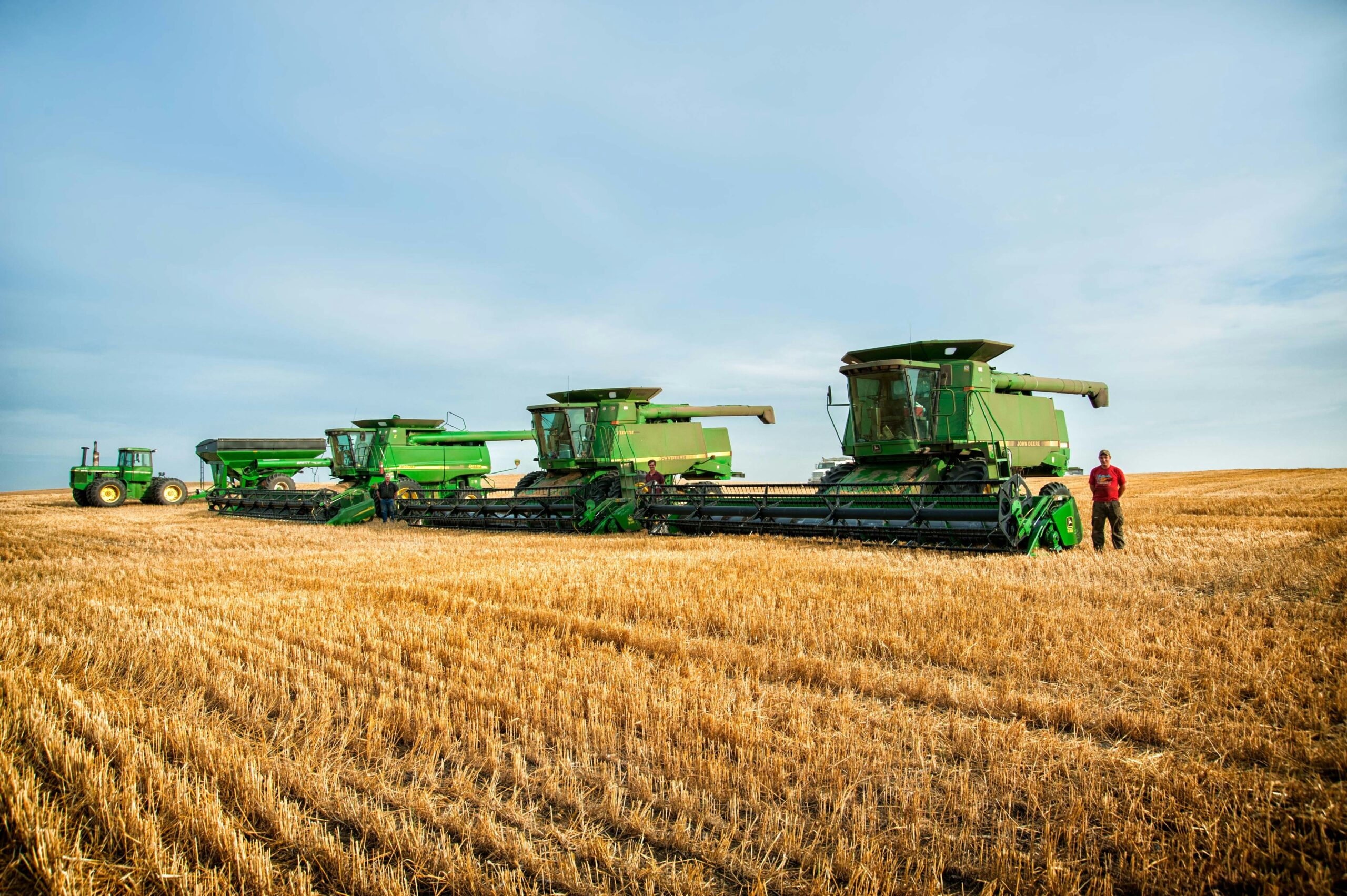
The grain economy is a cornerstone of the global food system and a major driver of economic activity across nations. It connects agricultural production with financial markets, ensuring that crops grown on farms reach consumers, industries, and international buyers. From smallholder farmers in developing regions to large agribusiness corporations, every participant depends on the efficiency and stability of this system. As global demand for food continues to rise, the importance of a well-functioning grain economy becomes even more critical.
Beyond food supply, the grain economy also influences inflation, trade balances, and national economic stability. For instance, fluctuations in grain prices can directly impact the cost of living, especially in countries where staple foods like rice or wheat dominate diets. Therefore, understanding how farm production links to market profits is important not only for businesses but also for policymakers and consumers affected by price changes and supply availability.
Understanding the Grain Economy at Its Core
At its core, the grain economy represents an interconnected system that begins with agricultural production and extends through multiple stages, including processing, storage, transportation, and distribution. Farmers initiate the cycle by planting crops based on expected demand, but numerous factors, including weather patterns, input costs, and government incentives, influence their decisions. Once harvested, grains enter a network of intermediaries, including wholesalers, exporters, and processors, who add value before reaching the final market.
Moreover, this system operates within a highly dynamic global environment where supply and demand constantly shift. For example, a bumper harvest in one region can lead to oversupply and reduced prices, while crop failures elsewhere may trigger shortages and price spikes. As a result, participants in the grain economy must rely on accurate data, forecasting tools, and market intelligence to make informed decisions and maintain competitiveness in an ever-changing landscape.
Farm Production as the Foundation of Growth
Farm production is the primary driver of the grain economy because it determines both the quantity and quality of supply available in the market. Farmers must balance multiple variables, including climate conditions, soil fertility, labor availability, and input costs, to maximize output. Their production decisions are often guided by expected market returns, meaning price trends and demand forecasts play a crucial role in shaping planting strategies.
In addition, the adoption of modern agricultural practices has significantly transformed farm production. Techniques such as precision farming, irrigation management, and the use of high-yield crop varieties enable farmers to produce more with fewer resources. These advancements not only increase profitability at the farm level but also contribute to overall market stability by ensuring a consistent grain supply, even amid growing global demand.
Supply Chains and Storage Systems
Efficient supply chains are essential for maintaining the flow of grains from farms to markets. After harvesting, grains must be carefully stored to preserve their quality and prevent losses caused by moisture, pests, or contamination. Storage facilities such as silos and warehouses are designed to maintain optimal conditions, ensuring that grains remain safe for consumption and trade over extended periods.
Transportation is another critical component of the supply chain, as grains often travel long distances before reaching their final destination. Whether through road, rail, or sea, reliable logistics systems are necessary to minimize delays and reduce costs. However, in many regions, inadequate infrastructure can create bottlenecks, increasing spoilage risk and reducing profitability. Strengthening supply chains through investment and innovation is therefore key to supporting a robust grain economy.
Market Demand and Price Fluctuations
Demand is a major force shaping the grain economy, influencing both production decisions and pricing trends. As global populations grow and dietary preferences evolve, the demand for grains continues to expand. For example, increased consumption of processed foods and livestock products has driven higher demand for feed grains like corn and soybeans, creating new opportunities for farmers and traders.
However, price fluctuations remain a constant challenge within the grain market. External factors such as climate change, geopolitical tensions, and economic instability can disrupt supply and demand, leading to sudden price changes. For instance, droughts can reduce crop yields, while trade restrictions can limit market access. To navigate these uncertainties, stakeholders must use risk management tools, such as futures contracts and market analysis, to protect their financial interests.
The Role of Technology in the Grain Economy
Technology is revolutionizing the grain economy by improving efficiency, productivity, and transparency. On the farm, digital tools such as GPS-guided machinery, remote sensing, and data analytics enable farmers to monitor crop health and optimize resource use. This not only increases yields but also reduces environmental impact, making agriculture more sustainable in the long term.
In addition, technological advancements are transforming how grains are traded and distributed. Online marketplaces, blockchain systems, and automated logistics platforms streamline transactions and improve traceability across the supply chain. These innovations reduce inefficiencies, lower costs, and enhance trust among market participants. As technology continues to evolve, it will increasingly shape the future of the grain economy.
Global Trade and Export Opportunities
The grain economy is inherently global, with countries relying on international trade to balance supply and demand. Major grain-producing nations export surplus crops to regions that cannot meet their own needs, ensuring food security and economic stability worldwide. This interconnected system enables efficient resource allocation and creates opportunities for economic growth through exports.
At the same time, global trade is influenced by a complex set of factors, including trade agreements, tariffs, and geopolitical relationships. Policy changes can significantly impact market access and pricing. For example, export bans or import restrictions can disrupt supply chains and create volatility in global markets. Therefore, businesses operating in the grain economy must stay informed about international developments and adapt their strategies to remain competitive.