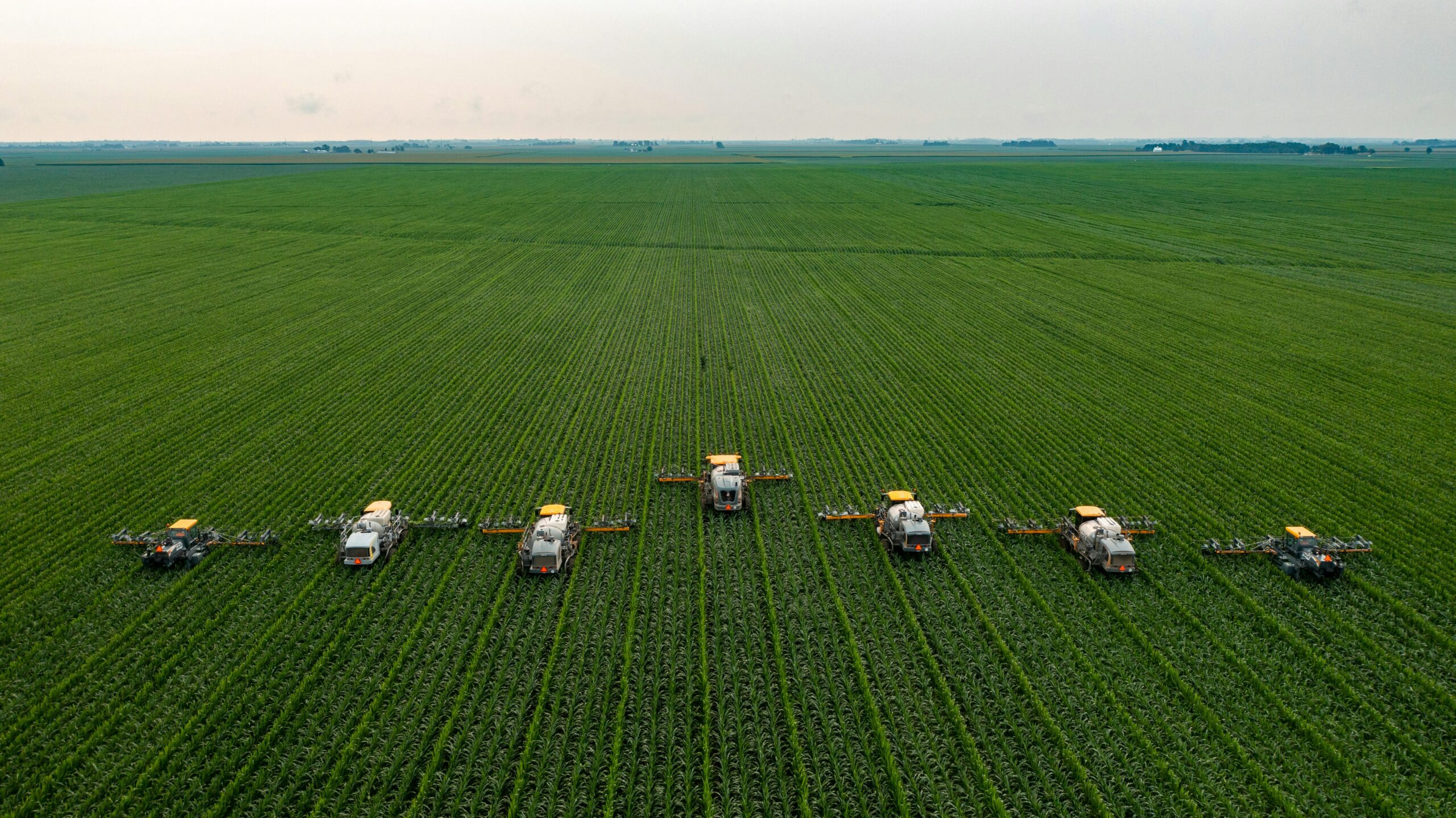
Modern farming has entered a new phase where technology and agriculture work side by side. Today, farmers no longer rely only on experience or weather patterns. Instead, they use real-time data, smart machines, and connected systems to guide daily decisions. This shift has created a powerful blend of soil knowledge and digital intelligence. As a result, agriculture has become more accurate, more productive, and more sustainable than ever before.
Farming Moves Into a Digital Era
Farming has always depended on observation and timing. However, technology now adds a new layer of insight. Farmers use connected devices that collect and share data from the field in real time.
Because of precision farming techniques, growers better understand soil health, moisture levels, and crop conditions. For example, a farmer in the Midwest can check field data on a phone while sitting miles away. As a result, they respond faster to problems and reduce unnecessary field visits.
In addition, these systems help farmers make better decisions about planting and harvesting. Therefore, they save both time and resources while improving yield quality.
Sensors That Read the Soil
Soil is no longer a mystery. Instead, sensors placed across farmland now provide detailed information about its condition. These tools measure moisture, nutrients, temperature, and even pH levels.
With soil monitoring technology, farmers gain a clearer understanding of what their crops need. For instance, a wheat farmer can detect dry soil zones before plants start to suffer. Then, they can adjust irrigation immediately.
Moreover, these sensors reduce waste. Because farmers apply water and fertilizer more precisely, they avoid overuse. Therefore, costs decrease as crop health improves.
Smart Water Use for Better Harvests
Water plays a critical role in agriculture. However, traditional irrigation often leads to waste. Fortunately, smart systems now solve this challenge by delivering water with precision.
Because of smart irrigation systems, farmers only water crops when needed. These systems rely on sensors and weather data to automatically control irrigation schedules. For example, a vineyard in California can adjust watering based on real-time soil conditions.
In addition, this approach saves energy and protects water resources. Therefore, farms become more sustainable while still producing high-quality crops.
Machines That Do More Than Work
Agriculture has also seen a rise in advanced machines that reduce manual labor. These machines now handle planting, harvesting, and even crop care with high accuracy.
With farm automation technology, farmers complete large tasks faster and with fewer errors. For instance, automated tractors follow GPS routes to plant seeds evenly across fields. Meanwhile, robotic harvesters pick fruits with care and consistency.
Furthermore, these machines help solve labor shortages in many regions. As a result, farms maintain productivity even when human labor is limited.
Eyes in the Sky for Better Decisions
Drones have become an essential tool in modern farming. These flying devices give farmers a complete view of their fields in minutes. Then, they help identify problems that are hard to see from the ground.
Because of drone crop monitoring, farmers detect pests, diseases, and water issues early. For example, a cotton farmer in Texas can scan large fields and spot damaged areas before they spread.
In addition, drones reduce the need for constant manual inspection. Therefore, farmers save time and improve response speed during critical crop stages.
Data That Guides Every Decision
Data now plays a central role in agriculture. Farmers collect information from sensors, machines, and weather systems every day. Then, they use this data to plan and improve farm operations.
With agricultural data analytics, farming becomes more predictable and efficient. For instance, a corn farmer can analyze past harvest data to decide the best planting time for the next season.
Moreover, data helps reduce risks. Because farmers can predict problems earlier, they take action before losses occur. Therefore, farming becomes more stable and profitable.
Weather Insights That Reduce Risk
The weather has always been unpredictable for farmers. However, modern forecasting tools now provide more accurate predictions. These tools combine satellite images, sensors, and historical data.
Because of climate-smart agricultural tools, farmers receive alerts about storms, frost, and drought. For example, a farmer in Kansas may receive early warnings about heavy rainfall before harvest time.
In addition, these insights help farmers plan better. Therefore, they avoid crop damage and improve harvest timing.
Connecting Farms to Global Markets
Technology has also changed how farmers sell their products. Instead of relying only on local buyers, they now use digital platforms to reach wider markets.
Thanks to agricultural supply chain technology, farmers can track prices, demand, and transportation in real time. For example, farmers in India can sell produce directly through mobile apps, connecting with buyers in urban markets.
Furthermore, this system reduces the need for intermediaries and increases farmers’ income. Therefore, the supply chain becomes more transparent and efficient.
A Future Built on Smart Agriculture
The future of farming continues to move toward deeper integration of technology and nature. As systems become more advanced, farms will rely even more on automation, data, and artificial intelligence.
With digital agriculture innovations, farmers will better predict crop needs and manage resources more efficiently. For example, future systems may automatically adjust irrigation, fertilization, and harvesting schedules without human input.
In addition, sustainability will remain a key focus. Therefore, future farming will aim to produce more food while using fewer natural resources.
Modern agriculture now stands at the intersection of tradition and technology. Farmers continue to work with soil, weather, and crops, but they now have powerful digital tools supporting every step. As a result, they make smarter decisions, reduce waste, and improve productivity.
Ultimately, the connection between data and farming creates a stronger and more sustainable food system. Therefore, tech driven agriculture is not just a trend; it is the future of how the world grows food.