Farming is changing faster than ever before. Traditional methods of planting, watering, and harvesting are now combined with technology to make farms smarter. Farmers are no longer relying solely on experience and intuition. They are using data, sensors, and software to guide their decisions.
This shift is not just about convenience. It is about producing more food with fewer resources. Digital agriculture allows farmers to respond quickly to weather changes, soil conditions, and crop health. The result is higher efficiency, better yields, and a more sustainable approach to farming.
Data Drives Decisions
Information has become a vital tool on modern farms. Sensors measure soil moisture, nutrient levels, and temperature. Drones capture images of crops from above. Even farm machinery can record performance and output. All of this data gives farmers a clear picture of what is happening in real time.
With accurate information, decisions become simpler. Farmers can water crops only when needed and adjust fertilizer applications with precision. Predicting crop growth, spotting disease, and preventing losses becomes easier. Data makes farming smarter, reducing waste and increasing productivity.
Sensors in the Field
Placed in soil or attached to equipment, they collect valuable environmental data. These small devices allow farmers to monitor crops without constantly walking the fields.
By reading sensor data, farmers can see exactly where water or nutrients are needed. They can detect stress in plants before it becomes a major problem. Sensors provide a constant flow of information that helps farms operate efficiently and sustainably.
Drones and Aerial Insights
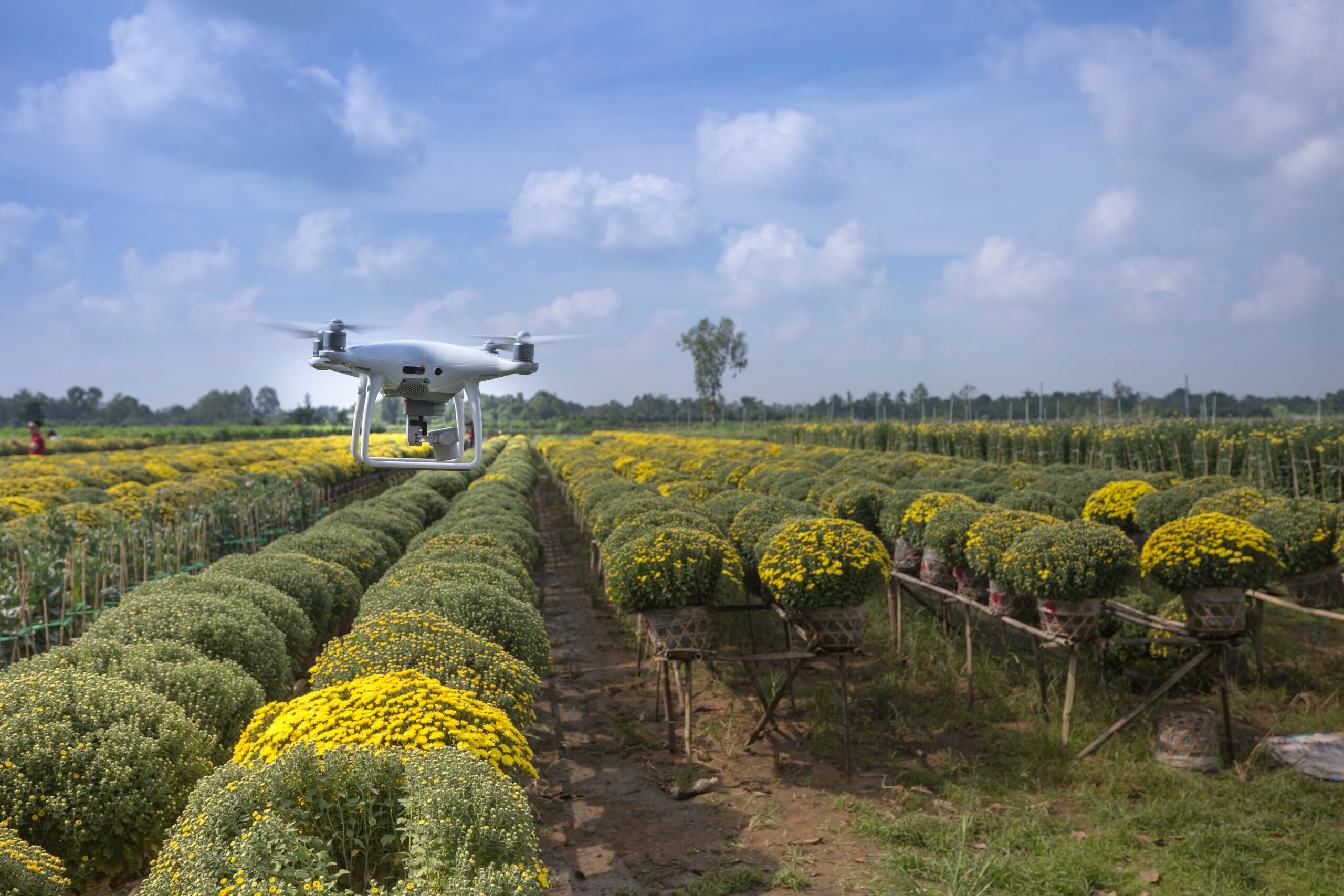
Drones have become essential for quickly monitoring large farms. They fly over fields, capturing detailed images of crop health, soil conditions, and irrigation patterns. Farmers can identify weak spots or areas that need attention with a quick scan from above.
Aerial images allow for faster response times. This reduces crop losses and improves overall productivity. Drones make it easier to see the farm as a whole while still focusing on the small details that matter.
Precision Irrigation and Water Management
Water is one of the most important resources on a farm. Advanced irrigation systems now adjust water levels automatically based on soil and weather data. Farmers no longer have to rely on schedules or guesswork.
These systems ensure crops get the right amount of water at the right time. Overwatering is avoided, and dry spots are corrected quickly. Efficient water use saves money, improves crop health, and protects the environment.
Farm Machinery Meets Technology
Modern farm machinery is smarter than ever. Tractors and harvesters now come with GPS and automated controls. They can plant seeds in exact locations, spray crops efficiently, and harvest at optimal times.
The combination of machinery and software reduces errors and increases output. Farmers can cover more land with less effort and better precision. Technology allows heavy labor to be handled more effectively, making large-scale farming more productive.
Artificial Intelligence in Agriculture
Artificial intelligence helps farmers interpret complex data. AI can predict crop yields, detect early signs of pests or disease, and suggest optimal planting strategies. Farmers gain insights that would be hard to discover manually.
With AI, farms operate proactively rather than reactively. Problems are addressed before they become crises. Predictive tools help farmers save time, reduce losses, and make informed decisions every day.
Digital Tools for Sustainability
Technology is supporting sustainable farming. By applying water, fertilizer, and pesticides only where needed, farmers reduce waste. Digital tools also track soil health over time, helping maintain fertile land for future crops.
Sustainability is no longer a goal that slows production. Digital agriculture allows farms to grow food efficiently while protecting the environment. Healthy soil, cleaner water, and lower chemical use are all possible with smart technology.
The Future of Digital Agriculture
Internet of Things devices, cloud platforms, and advanced analytics will make farms more connected and efficient. Even small farms can adopt technology to compete and thrive.
As these tools become more accessible, farming will become faster, smarter, and more sustainable. The integration of software and hardware will continue to improve how food is grown. From soil to software, the future of agriculture is digital, and it is already underway.