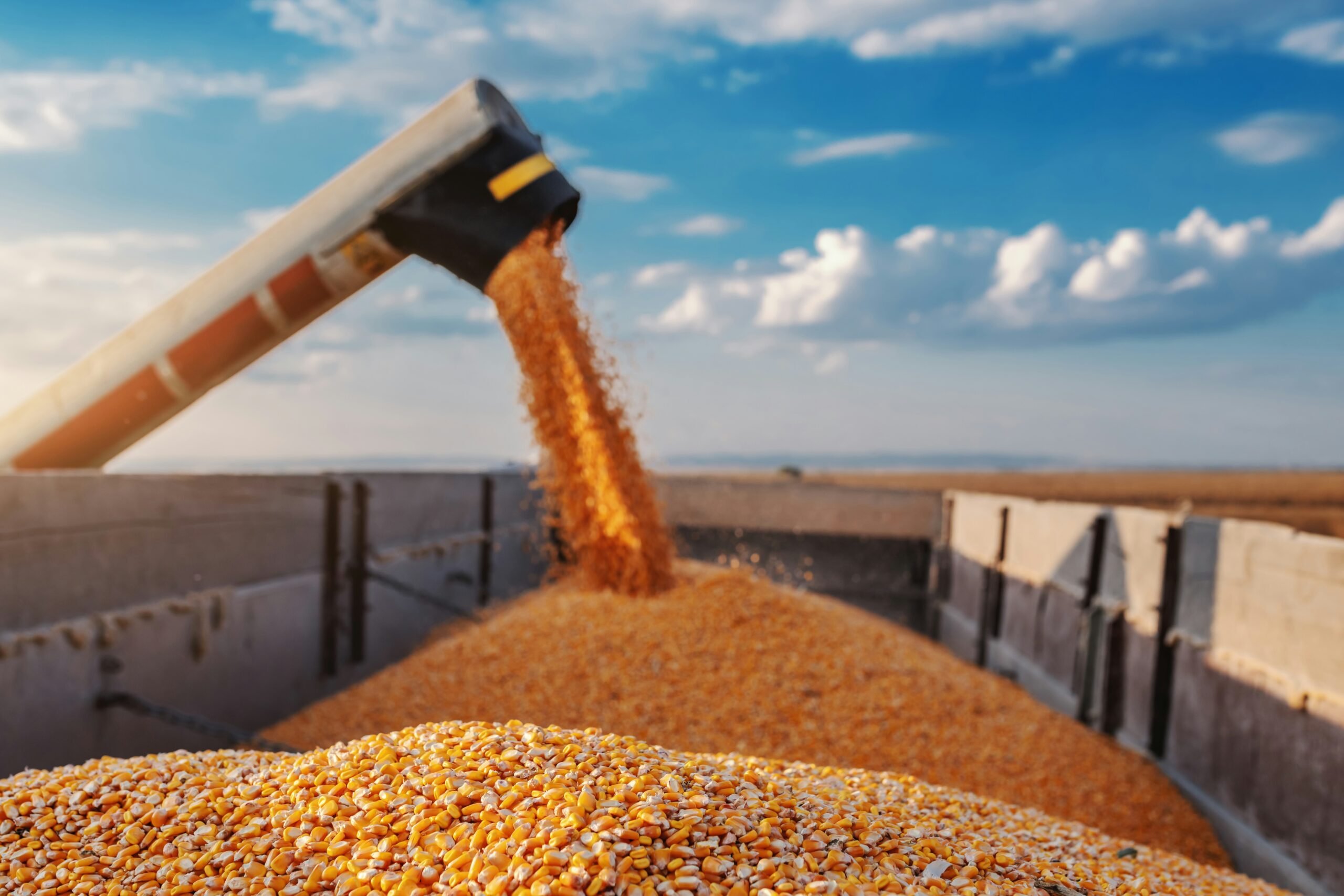
Grain feeds the world. It fills grocery shelves, fuels livestock farms, and supports countless rural towns. Yet many people never see the full journey from seed to sale. The grain economy moves through fields, storage bins, rail lines, ports, and global markets before it reaches a dinner table. Along the way, farmers, traders, processors, and investors all play a role.
When you look closely, you see more than crops. You see a system that blends science, hard work, logistics, and smart business choices. So let us step inside the grain economy and explore how production turns into profit.
The Foundation, Growing Grain in the Field
Every grain economy starts with farmers. They prepare the soil, choose the right seed, and watch the weather with care. Corn, wheat, soybeans, rice, and barley lead the global market. In the United States, states like Iowa, Illinois, and Kansas produce huge volumes each year.
Farmers make key decisions long before harvest. First, they test the soil to check nutrient levels. Then, they apply fertilizer to boost plant growth. Next, they plant seeds at the right depth and spacing. These small steps shape yield and quality.
Weather plays a big role. Rain at the wrong time can hurt crops, while drought can shrink yields. Because of this risk, many farmers use crop insurance. In addition, they watch market prices before planting. If corn prices rise, more acres may go to corn instead of soybeans.
Technology now drives much of this process. GPS-guided tractors, drones, and soil sensors help farmers use water and fertilizer more wisely. As a result, they cut costs and raise yields. Over time, these tools improve profit margins and protect the land.
Harvest Time, Turning Crops into Commodities
After months of care, harvest season begins. Combines roll through fields and gathering grain quickly. Farmers then move grain into trucks and take it to local elevators or storage bins.
At this stage, grain becomes a commodity. Buyers grade it for moisture, cleanliness, and quality. If moisture levels run too high, farmers must dry the grain. Drying costs money, yet it prevents spoilage and keeps grain safe for storage.
Timing matters here. If many farmers harvest at once, supply rises fast. Prices may dip because buyers have more options. However, farmers who store grain can wait for better prices later. This choice involves risk, since prices can also fall.
Storage and Handling, Protecting Value
Grain storage plays a critical role in the grain economy. Elevators, silos, and on-farm bins hold grain until buyers need it. Proper storage protects quality and prevents loss from pests or mold.
Temperature control and aeration systems help maintain safe conditions. If grain spoils, farmers lose money and buyers reject shipments. So careful monitoring becomes part of daily operations.
Large grain companies operate massive storage networks. They move grain by truck, rail, or barge. For example, in the United States, grain often travels down the Mississippi River to Gulf ports. From there, ships carry it to global buyers.
Transportation costs affect profit. If fuel prices rise, shipping costs increase. Therefore, efficient logistics give companies a strong edge. The smoother the flow, the higher the potential return.
Processing and Value Addition
Raw grain rarely reaches consumers as is. Instead, processors turn it into flour, animal feed, cooking oil, cereal, and ethanol. Each step adds value.
Wheat becomes flour at a mill. Corn turns into corn syrup or biofuel. Soybeans are split into oil and meal. These products sell at higher prices than raw grain. As a result, processing creates new profit streams.
Companies that control both storage and processing often earn more. They can buy grain at lower prices during harvest and process it later when demand rises. In this way, they manage risk and capture margins at multiple stages.
Moreover, global demand for plant-based proteins and biofuels continues to grow. As consumers shift diets and countries seek cleaner energy, grain processors adapt. They invest in new plants and technology to stay competitive.
Trading and Market Forces
The grain economy depends on markets. Prices change daily based on supply, demand, weather, and global events. Traders watch reports from the U.S. Department of Agriculture, global crop forecasts, and export numbers.
Futures markets help manage risk. Farmers and grain companies can lock in prices before harvest. If prices fall later, they protect revenue. However, if prices rise, they may miss out on additional gains. So each decision involves trade-offs.
Global trade also shapes prices. If drought hits a major exporter like Brazil or Russia, world prices can spike. On the other hand, strong harvests can push prices down. Because grain feeds people and animals worldwide, small shifts in supply have big effects.
Currency values matter too. A weaker dollar can boost U.S. exports, since buyers abroad pay less in their own currency. Therefore, exchange rates connect the grain economy to global finance.
Risk Management and Smart Strategy
Profit in the grain economy does not come from luck alone. It comes from planning and discipline. Farmers track input costs, including seed, fertilizer, fuel, and labor. They compare these costs to expected market prices.
Diversification reduces risk. Some farmers grow multiple crops. Others add livestock that use grain as feed. By spreading income sources, they cushion against price swings.
Grain companies also diversify. They operate in different regions and handle various crops. If one area suffers from drought, another may perform well. In addition, many firms invest in data analytics to forecast trends and guide decisions.
Sustainability now plays a larger role. Buyers and consumers care about environmental impact. Farmers who use conservation practices may access premium markets. Over time, sustainable methods can also cut costs by improving soil health and reducing input use.
Global Impact and Food Security
The grain economy affects more than profit margins. It shapes food security and political stability. When grain supplies tighten, food prices rise. This pressure can strain families and even spark unrest in some regions.
Governments often maintain grain reserves to manage supply shocks. They may also offer subsidies or support programs for farmers. These policies influence planting decisions and trade flows.
At the same time, innovation helps meet rising demand. The global population keeps growing, and so does the need for reliable food systems. Higher yields, better storage, and efficient transport all support this goal.
As climate change intensifies, resilience becomes essential. Farmers adapt with drought-tolerant seeds and improved irrigation. Companies invest in stronger supply chains. Together, these efforts aim to keep grain flowing from fields to markets.
From Production to Profit, The Big Picture
When you step back, the grain economy looks like a complex web. Yet its core remains simple. Farmers grow crops. Companies store and move them. Processors add value. Traders manage risk. Consumers create demand.
Each link depends on the others. If production drops, prices rise. If demand falls, profits shrink. Therefore, success requires teamwork, data, and constant learning.