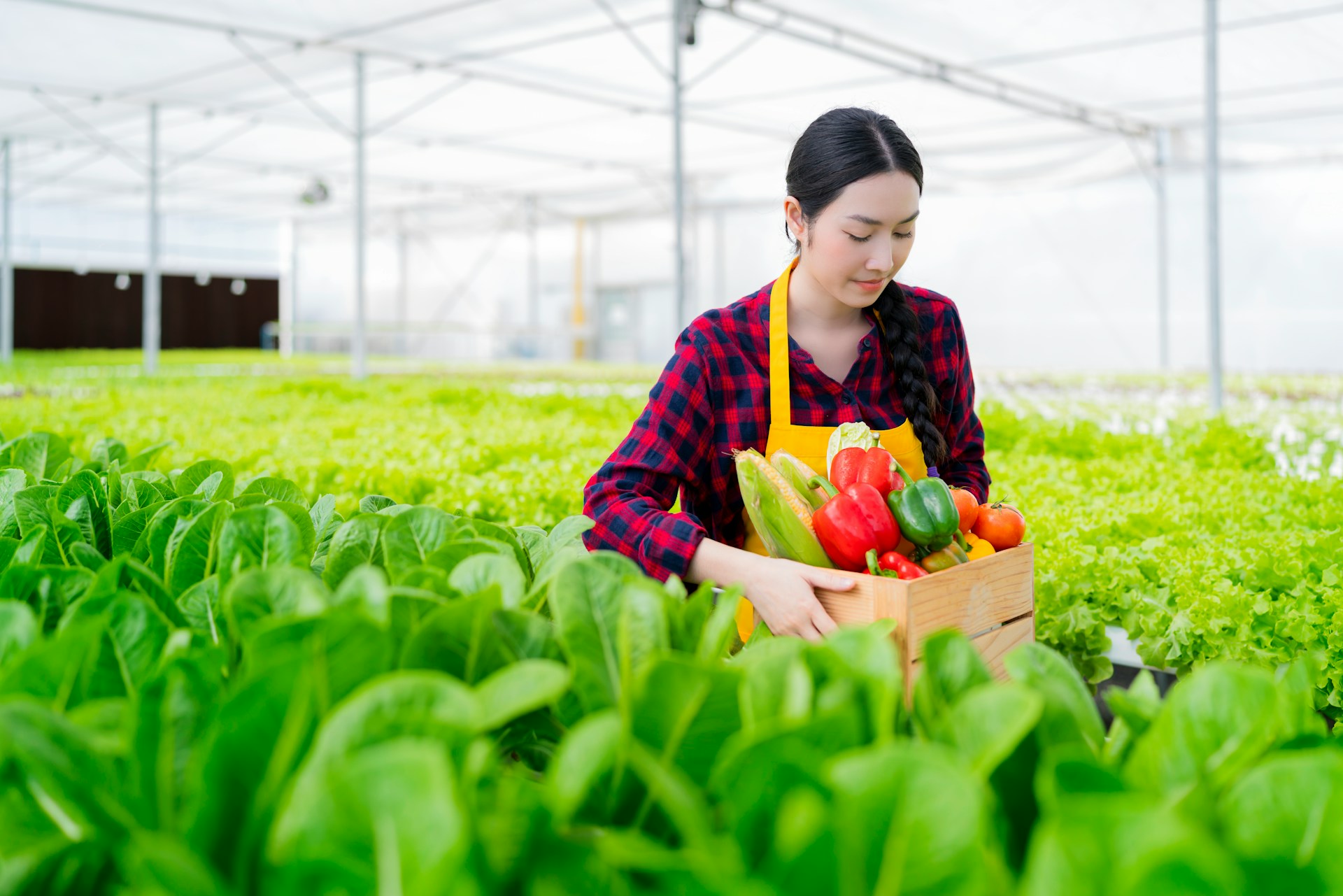
Agriculture is changing faster than ever before, and farmers must adapt to new challenges while maintaining productivity. Climate change, soil degradation, and resource shortages are forcing a shift toward smarter farming methods. Today, sustainable farming is not just an option; it is a necessity for long-term success. By combining innovation with responsible practices, farmers can protect the environment while increasing efficiency. As a result, sustainable agriculture practices are becoming the foundation of modern farming systems that support both people and the planet.
Understanding the Need for Smarter Farming
Farming has always depended on natural resources such as soil, water, and climate. However, these resources are now under pressure due to overuse and environmental changes. Because of this, traditional farming methods may no longer be enough to meet growing food demands. Farmers must find ways to produce more while using fewer resources.
Moreover, smarter farming focuses on efficiency and balance. It encourages farmers to use technology, data, and eco-friendly techniques to improve productivity. This approach helps reduce waste and ensures that resources are used wisely. Over time, smarter farming creates systems that are both productive and sustainable.
The Core Principles of Sustainable Farming
Sustainable farming is built on a few key principles that guide its practices. First, it focuses on soil health. Healthy soil supports strong crops and reduces the need for chemical inputs. Farmers use methods such as crop rotation and organic fertilizers to maintain soil quality.
Second, water conservation is essential. Efficient irrigation systems help reduce water waste and ensure crops receive the right amount of moisture. In addition, sustainable farming promotes biodiversity. By growing diverse crops and supporting natural ecosystems, farmers can build resilience against pests and diseases.
These principles work together to create a balanced farming system. As a result, farms become more productive while protecting the environment.
The Importance of Soil Health and Regeneration
Soil is one of the most valuable resources in agriculture. Without healthy soil, crops cannot grow effectively. Therefore, sustainable farming emphasizes soil regeneration.
Farmers use techniques such as cover cropping and reduced tillage to protect soil structure. These methods help retain moisture and prevent erosion. In addition, organic matter improves soil fertility and supports beneficial microorganisms.
Over time, these practices restore soil health and increase productivity. Healthy soil also helps capture carbon, which supports climate change mitigation. As a result, soil regeneration is a key part of sustainable farming.
Water Management for Long-Term Sustainability
Water is another critical resource in agriculture. However, water scarcity is becoming a growing concern in many regions. Therefore, efficient water management is essential for sustainable farming.
Farmers are adopting irrigation systems that deliver water directly to plant roots. This reduces waste and improves efficiency. In addition, rainwater harvesting and water recycling methods are gaining popularity.
Furthermore, monitoring soil moisture levels helps farmers avoid overwatering. By using water wisely, farmers can protect this valuable resource and ensure long-term sustainability.
How Technology is Transforming Agriculture
Technology is playing a major role in modern farming. Tools such as sensors, drones, and data analytics allow farmers to monitor crops and soil conditions in real time. This helps them make better decisions and respond quickly to changes.
For example, precision farming uses data to apply water, fertilizers, and pesticides only where needed. This reduces waste and improves efficiency. In addition, automated machinery can perform tasks with greater accuracy, saving time and labor.
In the middle of this transformation, precision farming technology is helping farmers achieve higher yields with fewer resources. By using advanced tools, farmers can improve productivity while reducing environmental impact.
Reducing Chemical Dependence in Farming
Traditional farming often relies heavily on chemical fertilizers and pesticides. While these can improve yields, they may harm the environment and human health. Sustainable farming aims to reduce this dependence.
Farmers are turning to natural alternatives such as compost and biological pest control. These methods support plant growth while minimizing environmental impact. In addition, integrated pest management combines multiple strategies to control pests effectively.
By reducing chemical use, farmers can create healthier ecosystems. This also improves food quality and protects surrounding communities.
Building Resilient Farming Systems
Resilience is essential for farmers facing unpredictable conditions. Sustainable farming helps build systems that can adapt to changes such as extreme weather or market shifts. This ensures that farms remain productive even during challenging times.
Diversification is one way to improve resilience. By growing different crops, farmers reduce the risk of total loss. In addition, strong soil and efficient water use help crops survive adverse conditions.
Moreover, community support and knowledge sharing play an important role. Farmers who learn from each other can adopt better practices and improve outcomes. This creates a stronger and more connected agricultural system.
The Future of Sustainable Agriculture
The future of farming depends on innovation and responsibility. As technology continues to advance, farmers will have more tools to improve efficiency and sustainability. At the same time, environmental awareness will drive the adoption of eco-friendly practices.
Governments and organizations are also supporting sustainable farming through policies and incentives. This encourages farmers to adopt new methods and invest in better systems. As a result, sustainable agriculture is expected to grow rapidly in the coming years.
Ultimately, the goal is to create a farming system that meets today’s needs without compromising the future. This requires a balance between productivity and environmental care.
Cultivating a Smarter and Greener Tomorrow
Sustainable farming offers a clear path toward a better future for agriculture. By combining technology, conservation, and responsible practices, farmers can protect their resources while improving productivity. These efforts not only benefit individual farms but also support global food security. As the world continues to change, eco-friendly farming innovations will play a key role in shaping agriculture that is efficient, resilient, and sustainable for generations to come.