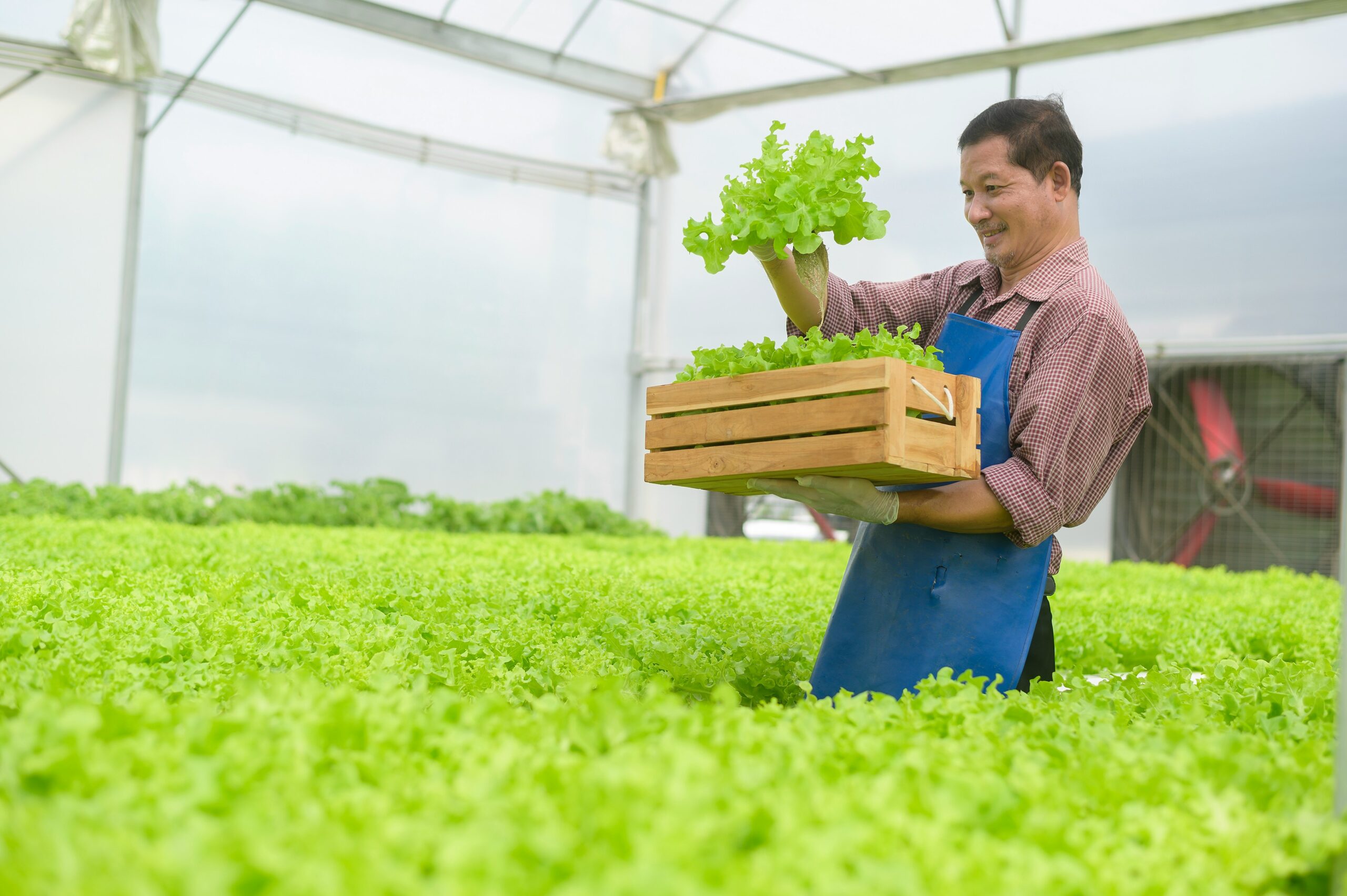
Farmers today face rising costs, shifting weather patterns, and growing pressure to protect natural resources. At the same time, consumers expect safe food that is grown in responsible ways. These challenges demand new ideas and better tools. Smart farming offers a path forward that supports both productivity and sustainability.
Smart farming does not mean replacing people with machines. It means using better knowledge, careful planning, and modern tools to make thoughtful decisions. Farmers can grow more food while protecting soil, water, and air. This balance is the key to building a sustainable future for agriculture.
Healthy Soil as the Starting Point
Healthy soil drives every successful farm. When soil holds organic matter, it stores water and nutrients more effectively. Crops develop stronger roots and resist stress during both dry and wet seasons. Farmers who care for their soil often see steady yields year after year.
Simple practices can improve soil health over time. Planting cover crops protects the ground between harvests. Adding compost returns nutrients to the land. Reducing deep tillage keeps soil structure intact. These actions work together to create fertile fields that support long-term growth.
Smarter Water Use in the Field
Water is one of the most valuable resources on a farm. In many regions, rainfall no longer follows familiar patterns. Some seasons bring heavy storms, while others bring long dry spells. Farmers must manage water with care to avoid waste and crop loss.
Modern irrigation systems help deliver water where it is needed most. Drip lines send moisture directly to plant roots. Soil sensors show when fields truly need irrigation. Farmers can respond in real time rather than guess. Careful water use protects local supplies and reduces energy costs.
Using Data to Guide Daily Decisions
Information has become a powerful tool in agriculture. Farmers can now track weather changes, soil moisture, and crop growth with simple digital tools. This data helps them act quickly and avoid costly mistakes. Clear insights replace guesswork.
When farmers study patterns in their fields, they notice which areas perform well and which need attention. They can adjust planting dates or fertilizer use based on real conditions. These small changes often lead to better harvests and lower expenses. Smart decisions based on data strengthen both profits and sustainability.
Crop Diversity for Long Term Stability
Growing a single crop year after year can weaken soil and invite pests. Many farmers now choose to plant a mix of crops across seasons. Crop diversity improves soil structure and reduces disease pressure. It also spreads financial risk.
When one crop struggles due to weather or market shifts, another may succeed. Farmers who rotate grains, vegetables, or legumes often see healthier fields. Diverse planting creates a natural balance that supports long-term stability. This approach builds resilience without heavy reliance on chemicals.
Reducing Chemical Dependence
Chemical fertilizers and pesticides have long supported high yields. Yet overuse can harm soil life and nearby water sources. Smart farming encourages careful application and the use of natural alternatives whenever possible. Farmers aim to protect crops while minimizing environmental harm.
Many growers now monitor pest levels before taking action. They encourage beneficial insects that keep harmful pests in check. They also test the soil to apply only the nutrients that crops truly need. This balanced approach protects ecosystems and keeps farms productive.
Energy Efficiency on the Farm
Farms rely on fuel and electricity for equipment, storage, and irrigation. Energy costs can strain budgets and increase environmental impact. Smart farming includes efforts to reduce waste and use cleaner energy sources.
Some farmers install solar panels to power barns and pumps. Others upgrade to fuel-efficient tractors and machines. Even small steps, such as improving insulation in storage buildings, can lower energy use. These changes cut costs and reduce emissions simultaneously.
Protecting Biodiversity and Natural Habitats
A sustainable farm works with nature rather than against it. Trees, hedgerows, and buffer strips support wildlife and protect soil from erosion. These features also improve air and water quality around the farm.
When farmers preserve natural habitats, they invite pollinators and helpful insects into their fields. Birds and small animals help control pests. This balance reduces the need for heavy chemical use. A thriving ecosystem supports strong harvests and long-term land health.
Supporting Farmers Through Education
Smart farming grows stronger when farmers share knowledge. Training programs and community workshops help growers learn new methods. Farmers often exchange ideas with neighbors and adapt techniques to local conditions.
Ongoing education builds confidence and skill. Farmers feel prepared to try new tools and practices. They can test ideas on small sections of land before expanding them. Learning never stops in agriculture, and shared experience drives progress.
Building a Sustainable Future Together
Smart farming techniques shape the future of agriculture. Healthy soil, efficient water use, careful energy management, and thoughtful crop planning all play important roles. Each step may seem small, yet together they create lasting change.
Farmers, consumers, and communities all benefit from sustainable practices. Strong farms support local economies and protect natural resources. By embracing smart farming, we move toward a future where food production and environmental care grow side by side.