Grain storage is entering a new era. Farmers are no longer relying only on traditional bins and basic drying methods. Climate change, rising food demand, and tighter supply chains have made storage more important than ever. The future of grain storage focuses on protection, precision, and smarter decision-making.
Modern technology now plays a central role in protecting harvested grain. From advanced monitoring systems to improved storage designs, innovation is changing how farmers protect their crops. These changes reduce waste and help maintain grain quality for longer periods. The result is stronger food security and better financial outcomes for producers.
Smarter Storage Starts at the Farm Level
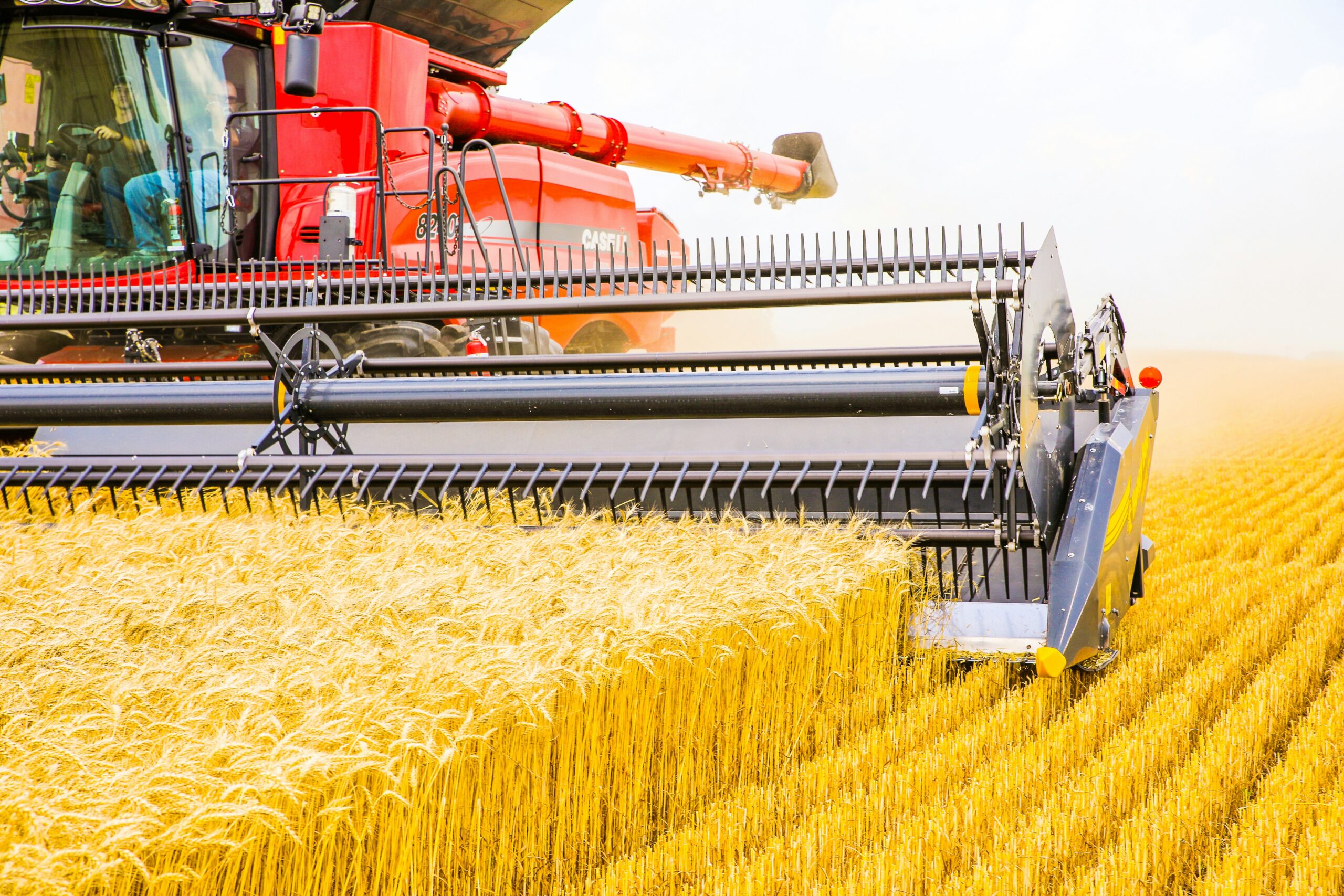
The future of grain storage begins the moment harvest starts. Farmers now understand that storage success depends on early decisions. Grain quality at harvest affects everything that comes after. If grain enters storage in poor condition, losses become harder to prevent later.
Better field practices are now linked directly to storage outcomes. Farmers are paying closer attention to harvest timing and handling methods. This shift helps reduce damage before grain even reaches storage facilities. As a result, modern storage begins much earlier than it used to.
Digital Monitoring Is Changing Storage Control
One of the biggest changes in grain storage is the rise of digital monitoring. Sensors inside storage units now track temperature and moisture levels in real time. This gives farmers constant visibility into grain conditions without manual checks.
These systems help detect early signs of trouble. A small change in temperature or humidity can signal a risk. Farmers can respond quickly before damage spreads. This level of control was not possible in traditional storage systems, but it is becoming standard in modern setups.
Climate Control Systems Improve Grain Stability
Temperature swings are a major threat to stored grain. Heat can increase moisture buildup, while cold shifts can create condensation. Both conditions lead to spoilage and loss. Future storage systems focus heavily on controlling these changes.
New climate control systems maintain steady conditions inside storage units. They adjust airflow and ventilation based on real-time data. This helps keep grain stable for longer periods. With better climate control, farmers can protect quality even during extreme weather.
Automated Systems Reduce Human Error
Human error has always been a risk in grain storage. Mistakes in monitoring or delayed action can lead to serious losses. Automation is now helping reduce these risks by handling routine tasks.
Automated systems can adjust storage conditions without constant human input. They respond to changes faster than manual methods. This improves accuracy and reduces delays. Farmers still make decisions, but machines help execute them more efficiently.
Improved Storage Structures for Better Protection
Storage buildings are also evolving. Modern grain storage structures are designed to reduce exposure to outside conditions. They are built with stronger materials and better insulation. This helps maintain stable internal environments.
These improved designs also focus on airflow and moisture control. Grain stays drier and cooler for longer periods. As storage structures improve, the risk of spoilage decreases. This makes physical infrastructure just as important as digital tools.
Data-Driven Decisions Shape Storage Strategies
Data is becoming a key part of grain storage management. Farmers now rely on information collected from sensors and monitoring systems. This data helps them understand storage conditions in detail.
With better data, farmers can make more informed decisions. They can adjust ventilation, plan maintenance, and prevent problems before they grow. This approach reduces guesswork and improves overall efficiency. Storage is becoming more precise and predictable.
Sustainability Drives New Storage Innovations
The future of grain storage is also shaped by sustainability. Farmers are looking for ways to reduce energy use and minimize waste. New storage systems are designed to be more efficient and environmentally friendly.
Energy-efficient cooling and drying systems are becoming more common. These technologies reduce costs while maintaining grain quality. Sustainable storage practices also help reduce environmental impact. This balance between efficiency and responsibility is becoming a priority.
Pest Control Moves Toward Safer Solutions
Pest control remains a major concern in grain storage. However, future methods are shifting toward safer and more controlled solutions. Instead of heavy chemical use, farmers are adopting preventive systems.
Better sealing and monitoring reduce pest entry points. Early detection systems help identify issues before they spread. This approach protects grain while reducing the use of harmful chemicals. It also improves food safety and storage quality.
Connectivity Brings All Systems Together
One of the most important changes in grain storage is connectivity. Different systems inside a storage facility can now communicate with each other. Monitoring, cooling, and ventilation systems work together.
This connected approach improves overall efficiency. Farmers can manage storage from a single platform. They can see real-time conditions and adjust systems instantly. Connectivity makes grain storage more unified and responsive.
The Future Outlook of Grain Storage
The future of grain storage is focused on control, efficiency, and protection. Technology is helping farmers reduce losses and improve quality at every stage. Storage is no longer a passive process. It is an active system that requires constant awareness and smart tools.
As innovation continues, grain storage will become even more reliable. Farmers will have greater control over conditions and outcomes. This will lead to stronger harvest protection and improved global food stability. The future of grain storage is not just about keeping grain safe. It is about creating a smarter and more secure food system for everyone.