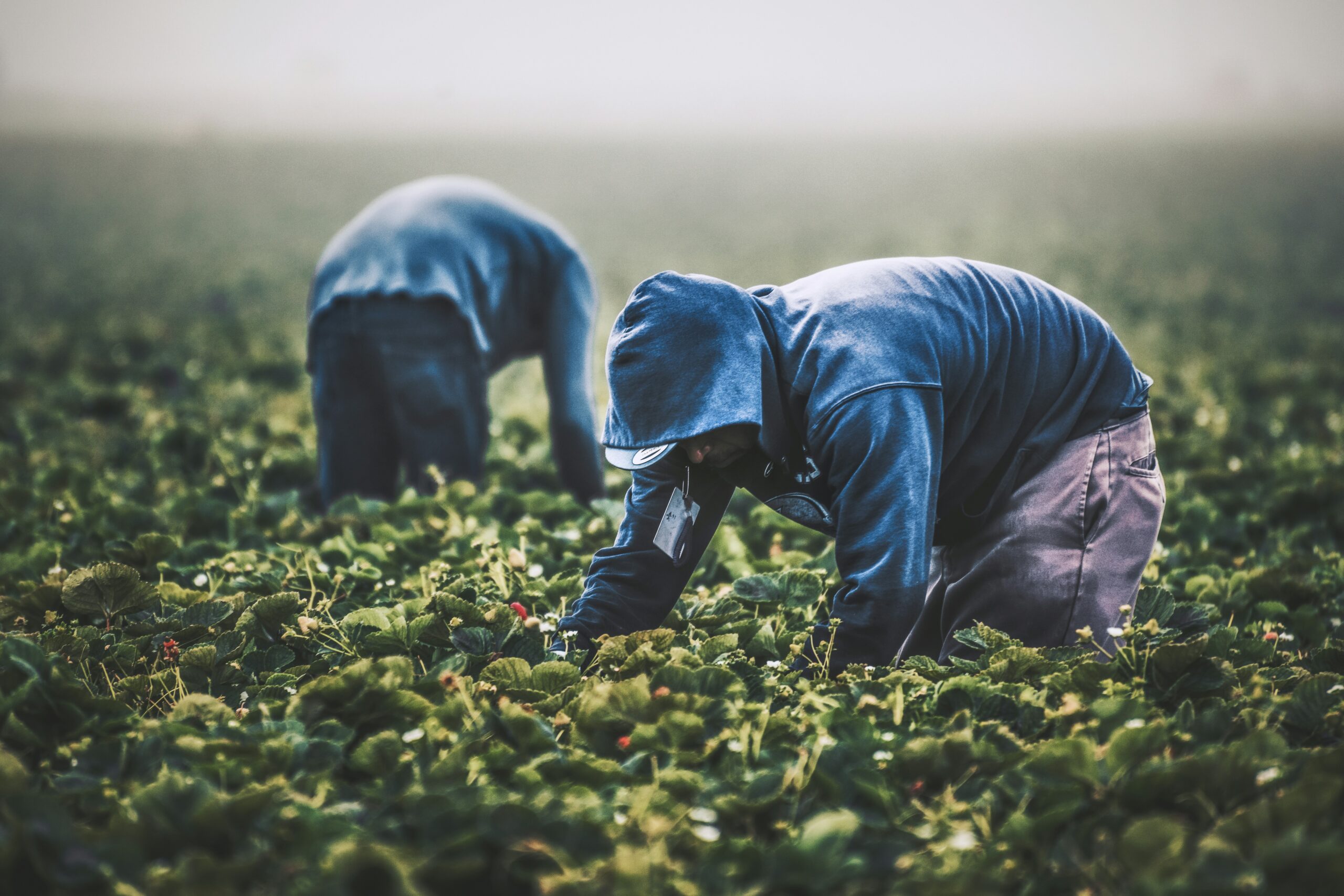
Future-proof farming has become a critical goal as climate change, resource limits, and global food demand continue to rise. Farmers today face pressure from all sides, yet they also have more tools and knowledge than ever before. Future-Proof Farming: Practical Strategies for Long-Term Sustainability focuses on building systems that can adapt, survive, and thrive over time without exhausting the land or increasing risk.
Rather than relying on short-term gains, modern agriculture now leans toward resilience. Moreover, farmers increasingly combine traditional wisdom with modern innovation to protect soil, water, and biodiversity. As a result, they create farming systems that are more stable, efficient, and prepared for uncertainty.
Building Resilient Soil Systems for Long-Term Productivity
Healthy soil remains the foundation of any future-proof farming strategy. Without it, productivity declines and costs rise over time. Therefore, farmers now prioritize soil regeneration as a long-term investment instead of a short-term task.
One key method involves reducing intensive tilling. When farmers disturb the soil less, they preserve its structure and protect beneficial organisms. In addition, soil retains more moisture, which helps crops during dry seasons. Consequently, yields become more stable across changing weather conditions.
Cover cropping also strengthens soil health. Farmers plant crops such as legumes and grasses between main growing seasons to prevent erosion and replenish nutrients. Moreover, these crops improve soil organic matter, which boosts fertility naturally. As a result, farmers rely less on synthetic fertilizers, which reduces both costs and environmental impact.
Crop rotation adds another layer of protection. When farmers alternate crops, they break pest cycles and improve nutrient balance. Furthermore, this method reduces soil fatigue, which often leads to stronger long-term production. Therefore, soil management becomes a continuous cycle of improvement rather than depletion.
Water Efficiency as a Core Strategy for Sustainability
Water management plays a central role in future-proof farming. As rainfall patterns shift and droughts become more common, farmers must use water more efficiently. Therefore, smart irrigation systems have become essential tools.
Drip irrigation delivers water directly to plant roots, which reduces waste and evaporation. Moreover, it allows farmers to control moisture levels with precision. As a result, crops receive exactly what they need without overuse.
In addition, soil moisture sensors help farmers make informed irrigation decisions. These tools track water levels in real time, which prevents both overwatering and underwatering. Consequently, farmers conserve resources while maintaining crop health.
Rainwater harvesting systems also support long-term water security. Farmers collect and store rainfall for use during dry periods. Furthermore, this reduces dependency on external water sources. Therefore, farms become more self-reliant and better prepared for climate variability.
Strengthening Biodiversity for More Stable Farming Systems
Biodiversity improves farm resilience in powerful ways. When farms support a variety of plants, insects, and animals, they create a natural balance. Moreover, diverse ecosystems reduce pest outbreaks and improve pollination.
For example, planting multiple crop species in the same field spreads risk. If one crop struggles, others may still thrive. In addition, this approach improves nutrient use in the soil and reduces disease spread. As a result, farmers achieve more stable production.
Hedgerows and buffer zones also support biodiversity. These areas attract beneficial insects and wildlife that naturally control pests. Moreover, they protect crops from wind and erosion. Therefore, farms become more balanced and less dependent on chemical interventions.
Livestock integration further strengthens biodiversity. When animals rotate through fields, they naturally fertilize the soil and support plant growth. Consequently, farms develop a more closed-loop system that reduces their need for external inputs.
Technology Driving Smarter Farming Decisions
Modern technology has become a key part of future-proof farming. Although farming remains rooted in nature, digital tools help improve accuracy and efficiency. Therefore, farmers can make better decisions with less guesswork.
Drones provide aerial views of crop health, which helps identify problems early. Moreover, they reduce the need for manual field inspections, saving time and labor. As a result, farmers respond more quickly to issues such as pests or water stress.
Satellite imaging also supports large-scale monitoring. Farmers track changes in vegetation, soil moisture, and crop growth patterns. In addition, this data helps them plan planting and harvesting more effectively. Consequently, productivity improves while waste decreases.
Precision agriculture tools allow farmers to apply fertilizers and pesticides only where needed. This reduces chemical use and protects surrounding ecosystems. Furthermore, it lowers costs and increases efficiency. Therefore, technology supports both environmental and financial goals simultaneously.
Data analytics platforms also help farmers understand long-term trends. By analyzing weather patterns and soil data, they can plan with greater confidence. Moreover, these insights reduce risk and improve resilience across seasons.
Economic Stability Through Sustainable Farming Practices
Future-proof farming also depends on financial sustainability. Farmers must remain profitable while adapting to environmental challenges. Therefore, reducing unnecessary costs becomes a key strategy.
Sustainable practices often lower input expenses over time. For example, healthier soil reduces fertilizer needs, and efficient irrigation lowers water costs. Moreover, integrated pest management reduces reliance on expensive chemicals. As a result, farms operate more efficiently.
In addition, sustainable farms often gain access to premium markets. Consumers increasingly prefer food that supports environmental responsibility. Consequently, farmers who adopt sustainable practices can increase revenue opportunities.
Risk reduction also plays a major role in economic stability. When farms diversify crops and improve soil health, they become less vulnerable to climate shocks. Therefore, income becomes more consistent even in uncertain conditions.
Furthermore, long-term land value often increases with sustainable management. Healthy soil and strong ecosystems improve productivity over time. As a result, farming becomes a more secure long-term investment.
Overcoming Challenges in the Transition to Sustainable Farming
Although future-proof farming offers many benefits, the transition can be challenging. Farmers often face high upfront costs when adopting new systems. Moreover, results may take time to appear, which can create uncertainty.
However, support programs are helping reduce these barriers. Governments and organizations provide funding, training, and technical guidance. In addition, agricultural cooperatives share knowledge and resources. Consequently, more farmers gain access to sustainable methods.
Education also plays an important role. When farmers understand long-term benefits, they become more willing to adopt new practices. Moreover, peer learning helps build trust in sustainable systems. Therefore, knowledge sharing accelerates adoption.
Cultural change can also present challenges. Some farmers hesitate to move away from traditional methods. However, successful examples from other farms often encourage gradual change. As a result, adoption increases over time.
The Path Toward Long-Term Agricultural Resilience
Future-proof farming represents a shift in mindset as much as a shift in technique. It encourages farmers to think beyond immediate harvests and focus on long-term land health. Moreover, it connects productivity with environmental responsibility.
Collaboration will shape the future of agriculture. Farmers, researchers, and policymakers must work together to improve systems and expand access to sustainable tools. In addition, continued innovation will strengthen farming practices across regions.
Climate change will continue to challenge agriculture, yet it will also drive innovation. Therefore, farms that adapt early will remain stronger and more resilient. Education, technology, and sustainable practices will all play key roles in this transition.
Ultimately, Future-Proof Farming: Practical Strategies for Long-Term Sustainability is about creating systems that last. It brings together soil health, water efficiency, biodiversity, technology, and economic planning into one connected approach. As more farmers adopt these strategies, agriculture becomes more stable, productive, and prepared for the future.