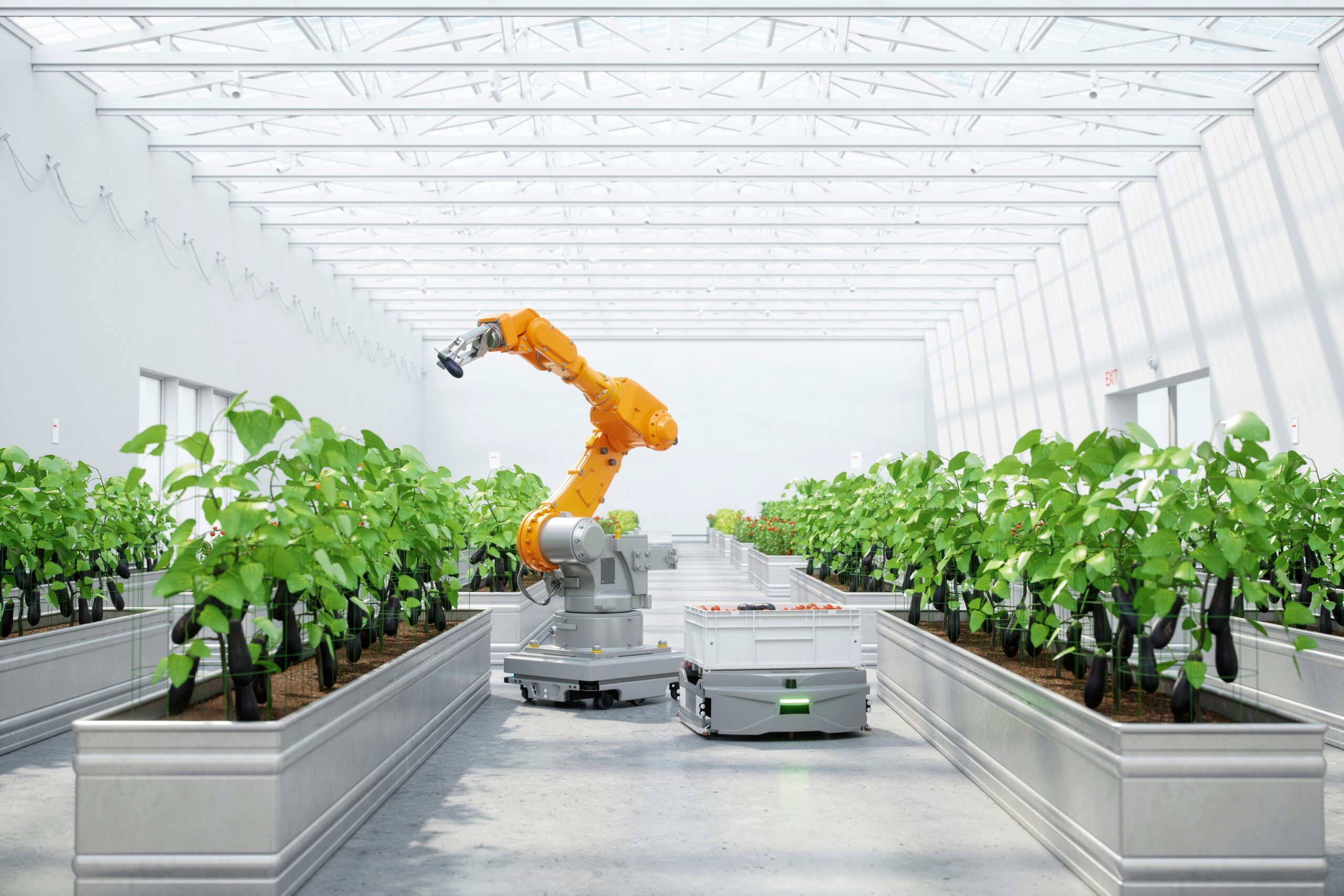
Modern agriculture is no longer limited to soil, seeds, and weather patterns alone. Instead, it now blends traditional farming with advanced digital tools that reshape how farmers plan, plant, and harvest. Because of this shift, farming has become more precise and more data-driven than ever before. Farmers now rely on real-time insights, automated systems, and connected devices to guide daily decisions in the field.
At the same time, global food demand continues to rise, putting pressure on agricultural systems to produce more with fewer resources. Therefore, digital innovation has become a practical necessity rather than a luxury. Farmers now use technology to reduce waste, improve efficiency, and increase yields while still protecting soil health. As a result, agriculture continues to evolve into a smarter and more responsive industry.
Smart Farming and the Rise of Connected Fields
Smart farming tools now connect nearly every part of agricultural operations. Farmers use soil sensors to measure moisture, temperature, and nutrient levels. Because these tools provide continuous updates, farmers can make faster, more accurate decisions. Instead of relying on guesswork, they use real-time data to manage crops more effectively.
In addition, connected farm equipment helps streamline everyday tasks. Tractors, irrigation systems, and harvesters now communicate with digital platforms that track performance and field conditions. This connection improves efficiency and reduces unnecessary resource use. Moreover, farmers can monitor their entire operation from a smartphone or computer, saving time and increasing control over farm management.
Precision Agriculture and Smarter Decision-Making
Precision agriculture has changed how farmers treat individual sections of land. Rather than applying the same treatment across an entire field, farmers now adjust inputs based on specific needs. This approach improves productivity while reducing waste. For example, certain areas may require more water or fertilizer, while others need less.
Furthermore, precision tools help farmers respond quickly to environmental changes. When weather conditions shift, digital systems provide alerts and recommendations. As a result, farmers can adjust their strategies immediately rather than waiting for visible crop damage. As a result, precision agriculture supports stronger yields and more efficient resource use throughout the growing season.
Data-Driven Farming and Real-Time Insights
Data plays a central role in modern agriculture. Farmers collect information from satellites, drones, sensors, and weather stations. Then, they use this data to understand crop health, soil conditions, and field performance. Since all of this information is updated in real time, farmers gain a clearer picture of their operations.
At the same time, digital platforms organize this data into easy-to-read dashboards. These systems highlight trends, risks, and opportunities in crop production. Consequently, farmers can make more confident decisions about planting, irrigation, and harvesting. In addition, historical data helps farmers improve long-term planning and increase overall productivity.
Drones and Aerial Monitoring in Agriculture
Drones have become an important tool for monitoring large farming areas. They capture high-resolution images that reveal crop stress, pest activity, and irrigation issues. Because drones cover large areas quickly, farmers can identify problems early and take action before damage spreads.
In addition, drone technology reduces the need for manual field inspections. Farmers no longer need to walk every section of land to check crop conditions. Instead, they can review aerial data from a digital device. This saves time and improves accuracy. Therefore, drones help farmers manage larger farms more efficiently while maintaining strong oversight.
Artificial Intelligence and Predictive Farming
Artificial intelligence is transforming agriculture by improving how farmers predict outcomes. AI systems analyze large amounts of data, including weather patterns, soil conditions, and crop history. Then, they generate insights that help farmers plan more effectively. Because of this, farmers can anticipate risks and opportunities earlier than before.
Moreover, AI tools help detect crop diseases and pest problems through image recognition. These systems identify early warning signs that may not be visible to the human eye. As a result, farmers can act quickly to prevent large-scale crop loss. In addition, predictive tools help farmers choose better planting times and improve yield forecasts.
Smart Irrigation and Water Efficiency
Water management remains one of the most important challenges in agriculture. Smart irrigation systems now help farmers use water more efficiently by adjusting watering schedules based on real-time soil data. Because these systems respond automatically, they prevent overwatering and underwatering.
Furthermore, smart irrigation supports long-term sustainability. Water is applied only when needed, reducing waste and protecting natural resources. In many regions, this technology also helps farmers adapt to drought conditions. As a result, smart irrigation improves both crop health and environmental responsibility.
Automation and Modern Farm Equipment
Automation has changed how farmers operate machinery and manage daily tasks. GPS-guided tractors now plant crops with high precision, while automated harvesters collect produce more efficiently. Because these machines reduce human error, they improve both speed and accuracy in farming operations.
In addition, automated systems help reduce labor shortages that many agricultural regions face. Machines can handle repetitive tasks that once required large workforces. This allows farmers to focus on planning and management instead of manual labor. Consequently, automation increases productivity while reducing operational stress.
Sustainability Through Digital Agriculture
Digital agriculture supports sustainability by helping farmers use resources more responsibly. Precision tools reduce excessive fertilizer and pesticide use by targeting only necessary areas. At the same time, smart irrigation systems conserve water and improve efficiency.
Furthermore, data-driven farming helps protect soil health over time. Farmers can track nutrient levels and adjust crop rotation strategies accordingly. As a result, farmland remains productive for longer. As a result, digital agriculture supports both environmental protection and long-term food production.
Challenges in Adopting Agricultural Technology
Despite its benefits, digital agriculture still faces several challenges. Many advanced systems require significant investment, which can be difficult for smaller farms. In addition, rural areas may lack strong internet connections needed for real-time data systems. These limitations slow down adoption in some regions.
Moreover, farmers must learn how to use new technologies effectively. Digital tools require training and experience to operate correctly. While many farmers adapt quickly, others may need additional support. Therefore, education and infrastructure development remain important for expanding access to agricultural innovation.
The Future of Digital Agriculture
The future of agriculture will likely depend even more on technology and data integration. Artificial intelligence, robotics, and smart sensors will continue to improve farming efficiency. These systems may eventually handle more tasks automatically, from planting to harvesting.
At the same time, global food demand will continue to rise. Farmers will need to produce more food while using fewer resources and dealing with climate challenges. Because of this, innovation will remain essential for agricultural success. As technology advances, farming will become more connected, efficient, and sustainable.
Human Experience and Technology Working Together
Even though technology plays a major role in modern farming, human knowledge remains essential. Farmers still understand local soil conditions, weather patterns, and crop behavior in ways machines cannot fully replace. When combined with digital tools, this knowledge becomes even more powerful.
Therefore, the future of agriculture depends on balance. Technology provides speed and precision, while human experience provides judgment and understanding. Together, they create a stronger and more reliable farming system. Ultimately, digital fields represent not just innovation but a new partnership between people, data, and the land.