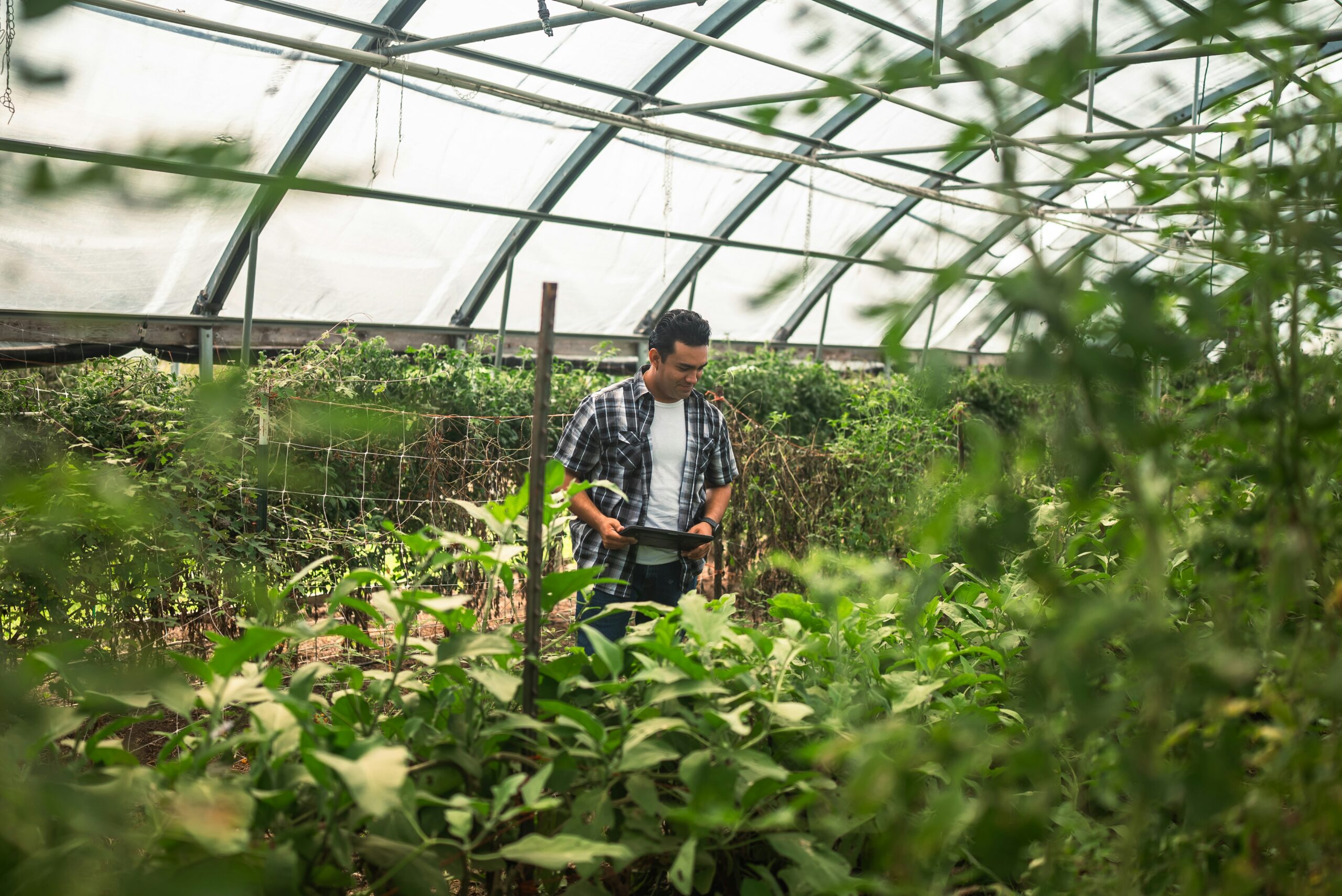
Farming has always been essential to human life, but agriculture now faces challenges that require new ideas and smarter practices. Climate change, soil degradation, water shortages, rising costs, and a growing population are pressuring farmers worldwide. Sustainable farming offers a practical way to produce enough food while protecting natural resources for future generations. By combining traditional knowledge with modern technology, farmers can grow smarter and create a more resilient food system.
Why Sustainable Farming Matters
Sustainable farming focuses on producing food while caring for the land, water, and surrounding environment. Traditional farming methods can sometimes rely heavily on chemicals, large amounts of water, and intensive soil use. Over time, these practices may reduce soil quality and harm ecosystems.
Sustainable agriculture takes a different approach. It aims to maintain healthy soil, reduce waste, protect biodiversity, and use resources efficiently. Farmers can improve long-term productivity by working with nature instead of constantly trying to control it.
This approach is becoming increasingly important as weather patterns become less predictable. Droughts, floods, heat waves, and severe storms can damage crops and threaten farm income. Sustainable farming can help farms better prepare for these changing conditions.
Technology Is Changing Modern Agriculture
Technology is playing an important role in the future of sustainable farming. Farmers can now use digital tools to understand their fields more accurately and make better decisions. Sensors, satellite images, drones, and smart irrigation systems can provide useful information about soil moisture, crop health, and weather conditions.
Precision agriculture allows farmers to apply water, fertilizer, and other resources only where they are needed. This can reduce waste while helping crops receive the right amount of care. Instead of treating an entire field in the same way, farmers can respond to the specific needs of different areas.
Artificial intelligence is also becoming useful in agriculture. AI-powered systems can analyze large amounts of information and help identify potential crop diseases, predict weather conditions, and improve planting decisions. These technologies can save time, lower costs, and support more efficient farming practices.
Protecting Soil for Future Crops
Healthy soil is one of the most valuable resources on any farm. Without healthy soil, crops may struggle to grow, and farmers may need more fertilizer to maintain production. Sustainable farming places strong attention on protecting and rebuilding soil health.
Cover crops, crop rotation, composting, and reduced tillage are some practices that can support healthier soil. These methods can help prevent erosion, improve soil structure, and increase organic matter. Healthy soil can also hold water more effectively, which becomes especially valuable during dry periods.
When farmers protect their soil today, they create better growing conditions for future crops. This makes soil conservation an important part of long-term food security.
Saving Water Through Smarter Practices
Water is another major concern for modern agriculture. Farming requires large amounts of water, but many agricultural regions face increasing pressure on freshwater supplies.
Smart irrigation can help farmers use water more efficiently. Drip irrigation, soil moisture sensors, and weather-based irrigation systems can reduce unnecessary watering. Farmers can also choose crops better suited to local climate conditions and requiring less water.
Better water management benefits both farms and communities. Using less water can lower farming costs while helping preserve important water supplies for households, wildlife, and future agricultural needs.
Supporting Biodiversity on Farms
Sustainable farms can also provide valuable habitats for insects, birds, and other wildlife. Biodiversity supports healthy ecosystems and can benefit agriculture itself. For example, bees and other pollinators help many crops produce food, while beneficial insects can help control certain pests.
Planting diverse crops, maintaining natural areas, and using fewer harmful chemicals can encourage biodiversity. A farm does not have to be completely natural to support wildlife. Even small changes can create useful habitats and improve the overall health of the agricultural environment.
Building a Stronger Food System
Sustainable farming is not simply about growing food today. It is about creating an agricultural system that can continue producing food under changing conditions. Farmers need practices that protect resources, control costs, and improve resilience.
Consumers also have a role in this process. Choosing locally produced food, reducing food waste, and learning how food is grown can encourage more responsible agricultural practices. When farmers, businesses, communities, and consumers work together, sustainable agriculture becomes easier to support.
The future of farming will depend on smarter decisions and responsible resource management. Sustainable agriculture provides a path toward healthier soil, cleaner water, stronger ecosystems, and more resilient farms. As technology advances, farmers have more opportunities to improve productivity without placing unnecessary pressure on the environment.
Growing smarter means understanding that successful farming is not only about producing more. It is also about protecting the resources that make production possible. With sustainable practices and innovative tools, agriculture can adapt to a changing world while helping create a more secure food future.