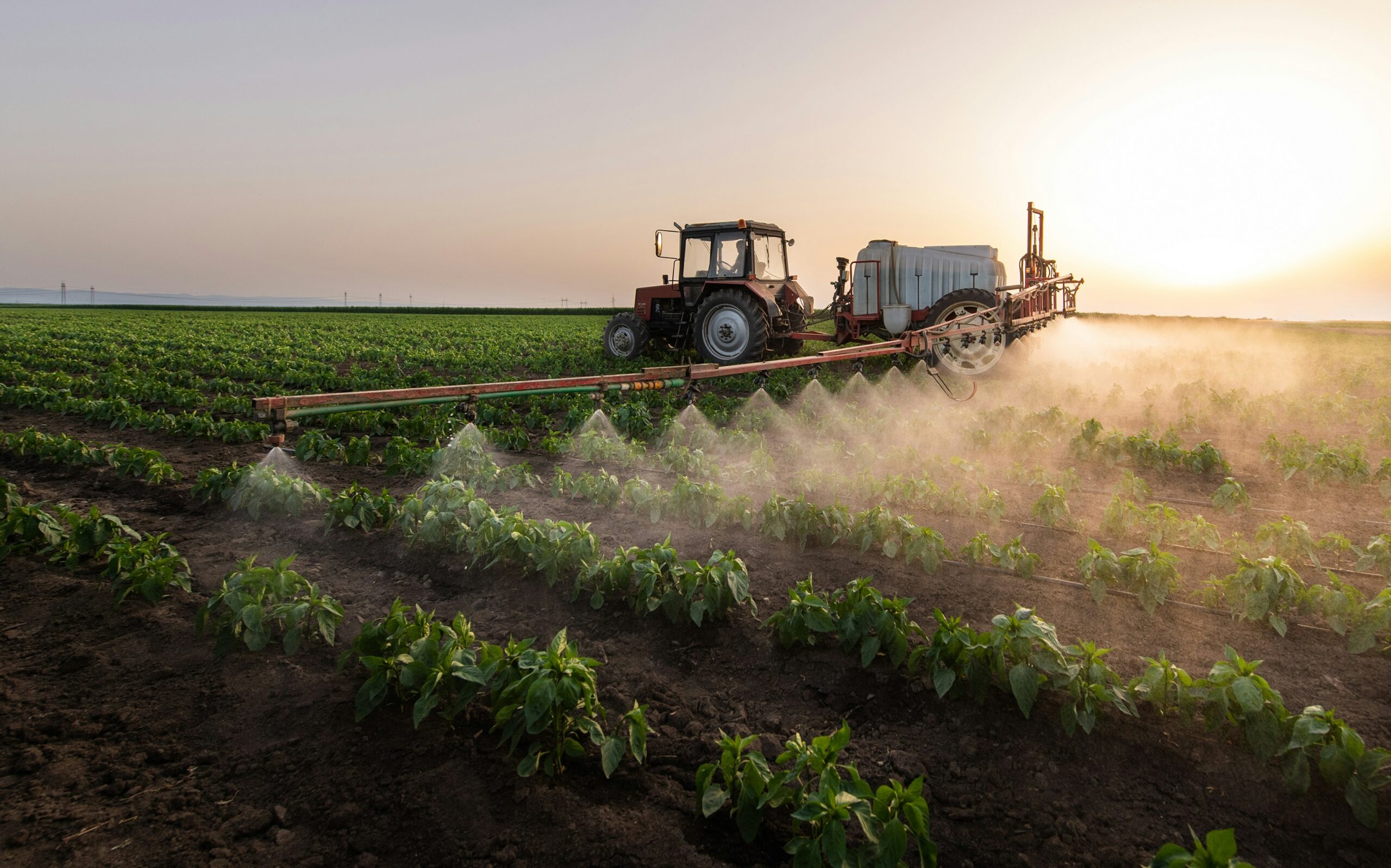
Agriculture is changing as modern technology creates new ways to grow crops, manage resources, and improve farm operations. Farmers face many challenges, including rising costs, labor shortages, changing weather, and growing food demand. As a result, they need practical solutions that improve production without wasting valuable resources. Smart farming technology helps farmers meet these challenges through digital tools, automation, and better access to agricultural information.
Today, farmers can use smart sensors, automated equipment, drones, and artificial intelligence to improve daily decisions. These tools provide useful information about soil conditions, crop health, water needs, and equipment performance. Moreover, modern farming systems help reduce unnecessary expenses and improve resource use. As a result, smart agriculture supports stronger productivity and more reliable farming operations.
However, successful farming still depends on experience, planning, and responsible management. Technology works best when farmers understand their land and choose tools that match their needs. By combining modern innovation with practical knowledge, agricultural businesses can improve efficiency, protect natural resources, and build a stronger future.
Understanding Smart Farming Technology in Modern Agriculture
Smart farming technology refers to digital tools and advanced equipment that help farmers manage agricultural activities more effectively. These solutions include soil sensors, GPS systems, automated irrigation, drones, and farm management software. Each tool provides information or performs tasks that support better farming decisions.
Furthermore, smart farming connects different parts of agricultural operations. For example, soil sensors can measure moisture levels, while digital platforms display the results on a mobile device. Farmers can then use this information to decide when crops need water. As a result, connected farming systems reduce guesswork and support more accurate field management.
Modern agricultural technology also helps farmers understand changes across their land. Soil quality, crop growth, and water needs often vary between fields. As a result, farmers can use digital information to adjust their methods instead of applying the same treatment everywhere.
Improving Agricultural Productivity Through Precision Farming
Precision agriculture plays an important role in improving farm productivity. This approach helps farmers manage crops according to the needs of specific field areas. GPS technology, digital maps, and smart sensors provide data on soil conditions, crop growth, and resource needs.
Moreover, precision farming helps farmers apply water, fertilizer, and crop protection products more accurately. Instead of treating every section of land equally, farmers can focus on areas that need attention. As a result, they may reduce unnecessary input use while supporting healthy crop development.
Precision farming also helps improve planting accuracy. GPS-guided equipment can maintain consistent planting routes and reduce overlap. Additionally, farmers can review field records to identify areas with lower production. These insights support better planning and more efficient crop management.
Smart Irrigation Systems and Better Water Management
Water plays a major role in crop growth and agricultural productivity. However, many farms face challenges from drought, irregular rainfall, and rising irrigation costs. Traditional watering schedules may use more water than crops need. As a result, efficient irrigation has become a major goal in modern farming.
Smart irrigation systems use soil moisture sensors, weather information, and automated controls to improve watering decisions. Farmers can monitor field conditions and adjust irrigation schedules based on crop needs. Moreover, automated systems can start or stop watering when moisture levels reach suitable limits.
As a result, smart irrigation can reduce water waste and lower pumping costs. Better water management may also support healthier roots and stronger crop growth. Additionally, farmers can use irrigation records to improve future watering plans and protect valuable water resources.
Using Smart Sensors for Real-Time Crop Monitoring
Smart sensors are important tools in digital agriculture because they provide current information about field conditions. Farmers can place sensors in soil or agricultural facilities to measure moisture, temperature, humidity, and other factors. These devices help farmers understand changes that may affect crop health.
Connected sensors can also send alerts when field conditions move outside suitable ranges. For example, a sudden drop in soil moisture may signal the need for irrigation. Farmers can respond quickly instead of waiting for visible crop damage. Therefore, real-time monitoring supports early action and more consistent plant care.
Smart monitoring also reduces the time farmers spend checking every part of their fields. Although physical inspections remain important, digital information helps farmers decide where to focus their attention. As a result, they can manage larger areas more efficiently.
Agricultural Automation and Improved Labor Efficiency
Farm operations often require significant time and physical effort. Planting, spraying, harvesting, and field inspections can create heavy workloads during busy seasons. However, agricultural automation helps farmers complete repetitive tasks faster and more consistently.
Automated tractors, planting machines, and robotic equipment can improve daily operations. For example, GPS-guided tractors can follow planned routes and reduce unnecessary field overlap. As a result, farmers may save fuel, reduce repeated work, and improve operational accuracy.
Automation can also help farms manage labor shortages. Although machines cannot replace every agricultural skill, they can support workers by handling demanding tasks. Farmers can also use automated equipment to complete time-sensitive activities more efficiently. This approach helps agricultural businesses maintain productive operations during critical growing periods.
Artificial Intelligence and Smarter Farming Decisions
Artificial intelligence is becoming an important part of smart farming technology. AI systems can analyze large amounts of agricultural information and identify useful patterns. Farmers can use these tools to study crop images, soil measurements, weather records, and past production results.
Moreover, AI-powered platforms can help farmers recognize possible crop problems and evaluate management options. For example, image analysis software may detect unusual plant colors or growth patterns. Farmers can then inspect affected areas and decide on appropriate actions. As a result, artificial intelligence supports earlier decisions and more focused crop care.
Predictive analytics also helps farmers prepare for future conditions. These systems can examine historical data and current forecasts to estimate possible risks. However, predictions are not always correct. Therefore, farmers should combine AI recommendations with field observations and practical experience.