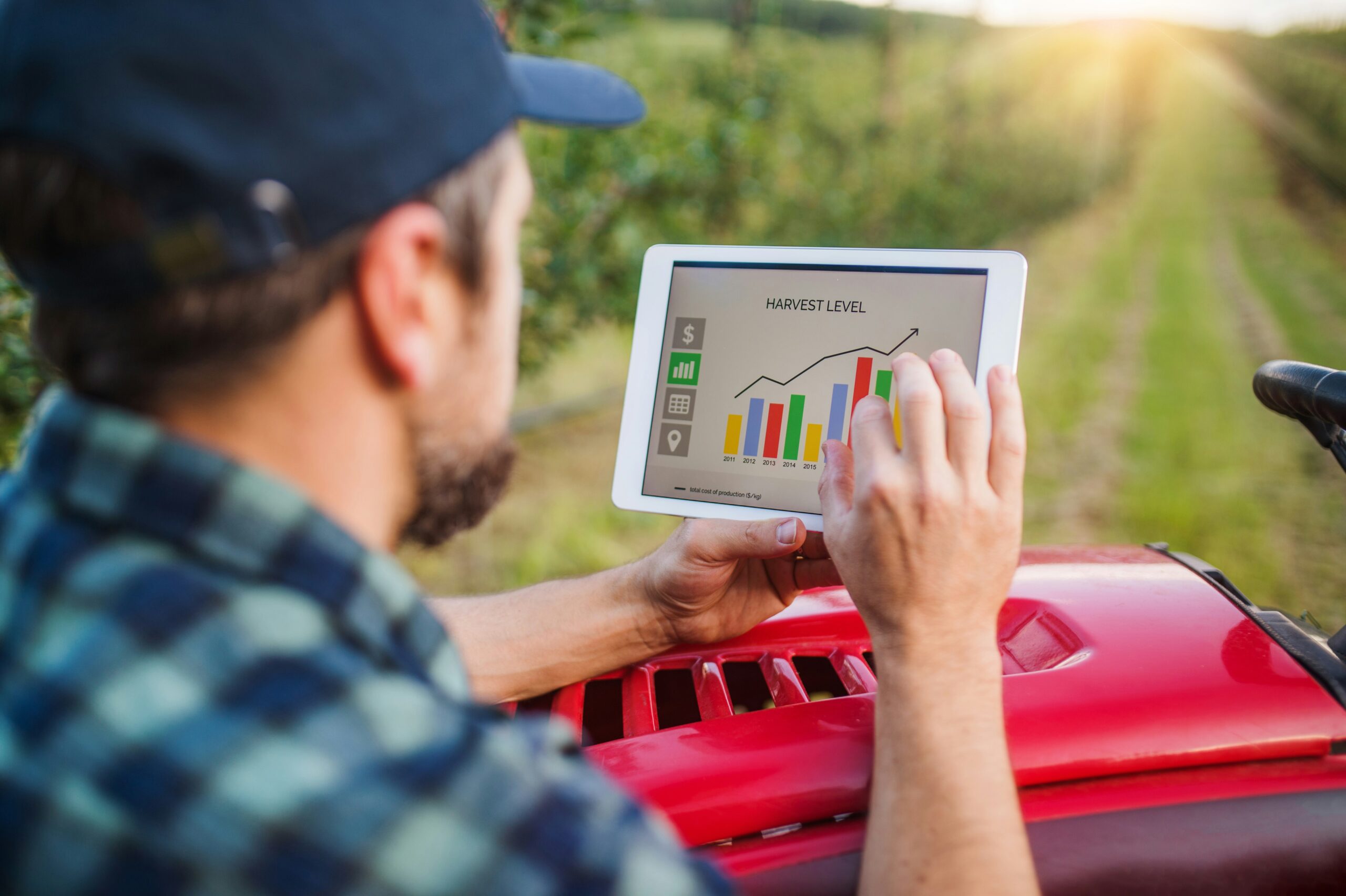
Agriculture has always required careful planning, practical knowledge, and the ability to respond to changing conditions. Farmers make important decisions every day about planting, irrigation, fertilizer use, equipment, and harvesting. Traditionally, many of these choices depended on personal experience and observation. Today, data analytics gives farmers another valuable resource for managing their operations more effectively.
Data analytics helps farmers collect, organize, and understand information about their fields, crops, weather, and resources. By studying this information, farmers can identify patterns, predict possible challenges, and make informed choices. This approach supports better productivity while reducing unnecessary expenses and waste. As agricultural technology becomes more accessible, data analytics is playing an increasingly important role in helping farms remain productive, profitable, and sustainable.
Understanding the Role of Data in Modern Farming
Modern farming produces information from many sources. Soil tests reveal nutrient levels, weather stations track temperature and rainfall, and field sensors measure moisture. Farm equipment can also record planting activity, fuel use, and crop performance. When farmers bring this information together, they gain a clearer understanding of how their operations perform. Instead of relying only on general observations, they can use specific measurements to guide daily decisions.
However, collecting information is only the beginning. Farmers must also understand what the numbers mean and how they relate to field conditions. Data analytics helps turn raw measurements into useful insights. For example, a farmer might compare rainfall records with crop yields to understand why certain fields perform better than others. These findings can guide future planting decisions and help farmers recognize problems before they become expensive.
Improving Crop Planning and Planting Decisions
Choosing the right crop and planting schedule can strongly influence farm productivity. Different crops require specific soil conditions, temperatures, and moisture levels. Farmers can examine historical weather records, soil information, and previous harvest results to identify suitable planting opportunities. This information helps them select crops that match local growing conditions and avoid unnecessary risks. Better planning also allows farmers to prepare equipment, labor, and supplies before planting begins.
Data analytics can also help farmers determine suitable planting times. For example, soil temperature records and weather forecasts may show when conditions are favorable for seed growth. Planting too early can expose seeds to cold or wet soil, while planting too late may shorten the growing season. By considering these factors, farmers can make more informed timing decisions. They can also compare results across seasons and adjust their plans based on what worked best.
Managing Water Resources More Efficiently
Water management remains one of the most important responsibilities in agriculture. Crops need enough moisture to grow, but excessive watering can waste resources and damage soil conditions. Farmers can use soil moisture sensors, rainfall measurements, and temperature records to understand when irrigation is necessary. This information helps them avoid watering fields that already contain enough moisture. It also supports healthier crop development during periods of limited rainfall.
Data analytics makes irrigation planning more precise by showing how water needs change across different fields. Some areas may dry faster because of soil type, sunlight, or drainage conditions. Farmers can study these differences and adjust irrigation schedules accordingly. When irrigation systems support separate field controls, farmers may also direct water toward areas that need it most. This approach can reduce unnecessary water use, lower pumping expenses, and improve resource management.
Making Better Soil and Fertilizer Decisions
Healthy soil provides the foundation for successful crop production. Farmers need to understand soil nutrients, acidity, moisture, and organic matter to maintain good growing conditions. Regular soil testing provides valuable information, but data analytics makes those results more useful over time. By comparing test results from different seasons, farmers can identify changes in soil health. They can also recognize areas where nutrients are declining or where previous fertilizer applications produced limited benefits.
These insights support more responsible fertilizer management. Rather than applying the same amount across every field, farmers can consider the needs of specific areas. Fields with sufficient nutrients may require smaller applications, while areas with deficiencies may need targeted treatment. This approach can reduce unnecessary fertilizer purchases and limit nutrient losses into nearby waterways. It also helps farmers protect soil quality while maintaining productive growing conditions for future seasons.
Detecting Crop Problems Before They Spread
Crop diseases, insect activity, and environmental stress can reduce yields when farmers fail to recognize warning signs. Data analytics helps farmers monitor changing field conditions and identify unusual patterns. Information from field inspections, weather records, sensors, and aerial images can reveal areas where crops may be struggling. For example, changes in plant color or growth rates might suggest water stress, nutrient shortages, or possible disease activity. These signals allow farmers to investigate potential problems sooner.
Early detection can make crop management more effective. When farmers discover a problem in a limited area, they may be able to respond before it affects a larger section of the farm. However, data cannot always identify the exact cause of plant stress. Farmers still need field inspections and practical knowledge to confirm what is happening. Combining digital information with direct observation helps them choose suitable treatments and avoid unnecessary pesticide or fertilizer applications.
Reducing Operating Costs and Improving Farm Profits
Successful farming depends on controlling expenses as well as producing healthy crops. Seeds, fertilizer, fuel, equipment repairs, and labor all affect the cost of production. Data analytics helps farmers understand where their money goes and which activities provide the greatest value. By comparing expenses with crop performance, farmers can identify inefficient practices. For example, equipment records may reveal excessive fuel use, while field records may show that certain inputs produce little additional yield.
Farmers can also use financial and production records to plan future spending. Reviewing several growing seasons may reveal patterns in equipment maintenance, labor demand, and supply purchases. These insights help farmers create realistic budgets and prepare for seasonal expenses. Data may also support decisions about investing in new equipment or changing production methods. When farmers understand their costs and expected returns, they can make financial choices with greater confidence.
Using Weather Information to Manage Agricultural Risks
Weather has a major influence on agricultural success. Heavy rainfall, drought, extreme heat, and unexpected cold can disrupt planting schedules and damage crops. Farmers cannot control these events, but they can prepare for them more effectively. Data analytics combines historical weather records with current forecasts to support better planning. Farmers can use this information to understand seasonal patterns and recognize periods when certain agricultural activities may face greater risks.
Weather information also helps farmers make practical daily decisions. Forecasts may suggest delaying irrigation before significant rainfall or adjusting harvest plans when storms are approaching. Temperature predictions can guide preparations for frost or heat stress. Although forecasts are never completely certain, using reliable weather information can reduce avoidable losses. Farmers who regularly review changing conditions are often better prepared to respond quickly when unexpected events threaten their operations.