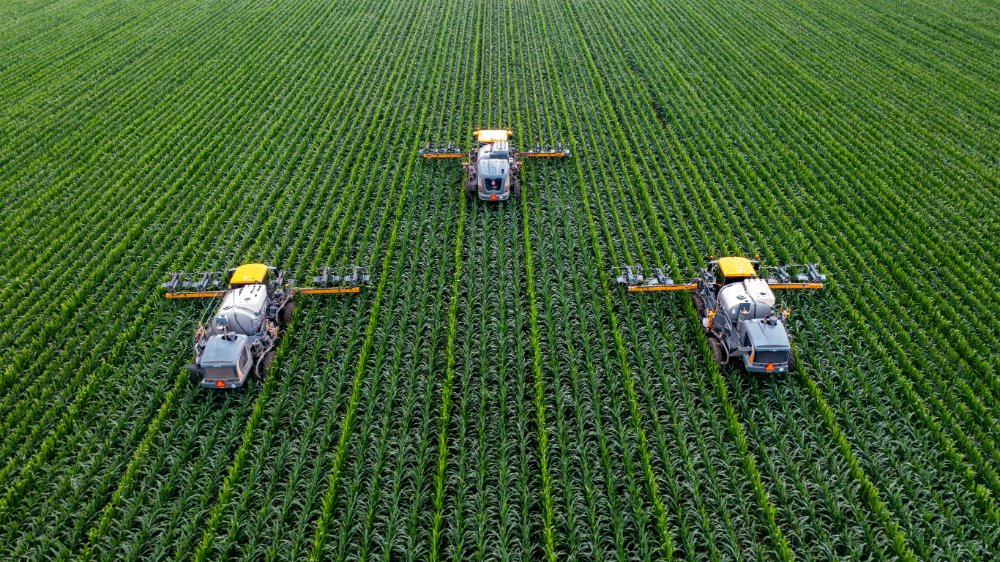
Agriculture is changing as modern technology helps farmers work faster, reduce costs, and improve crop production. Connected farm equipment plays an important role in this transformation. Tractors, harvesters, irrigation systems, and other machines can now share information through digital networks. As a result, farmers can monitor operations, identify problems, and make better decisions without relying entirely on manual inspections.
Moreover, connected agricultural machinery helps farmers manage time and resources more effectively. Digital systems provide useful information about equipment performance, fuel consumption, and field conditions. Farmers can use these details to improve daily activities and prevent unnecessary delays. As a result, connected technology is becoming a valuable part of modern agriculture.
Understanding Connected Farm Equipment
Connected farm equipment includes agricultural machines that use sensors, wireless networks, and digital software to collect and exchange information. These systems let farmers monitor machinery on computers, tablets, or smartphones. For example, a connected tractor can report its location, fuel use, and operating conditions. As a result, farmers gain better control over their equipment and daily operations.
Additionally, connected machinery helps agricultural businesses organize important information in one place. Instead of checking every machine manually, operators can review digital reports and receive alerts about potential problems. This approach saves time and supports better planning. As a result, farmers can focus on improving production rather than handling unnecessary administrative tasks.
Improving Equipment Performance Through Real-Time Monitoring
Real-time monitoring allows farmers to track equipment performance while machines operate in the field. Connected sensors collect information about engine conditions, fuel levels, operating hours, and equipment activity. Farmers can review these measurements to identify unusual performance patterns. As a result, monitoring systems help operators respond quickly when machinery needs attention.
Digital alerts can also warn farmers of potential mechanical problems before they cause serious interruptions. Operators can schedule inspections and arrange maintenance when necessary. This approach may reduce unexpected breakdowns during important planting and harvesting periods. Therefore, connected equipment monitoring improves reliability and helps agricultural businesses maintain productive operations.
Reducing Equipment Downtime With Predictive Maintenance
Equipment breakdowns can disrupt farming activities and raise operating costs. Predictive maintenance systems use machine data to detect wear or unusual performance. Farmers can review this information and schedule repairs before minor issues develop into costly failures. As a result, connected technology helps protect valuable equipment and reduce avoidable downtime.
Moreover, maintenance records provide useful information about machinery performance over time. Farmers can track repair history, operating hours, and replacement schedules through digital platforms. These details help agricultural businesses plan maintenance expenses and avoid unnecessary repairs. As a result, predictive maintenance supports better equipment management and more reliable field operations.
Making Precision Farming More Efficient
Precision farming helps agricultural businesses manage different field areas according to their specific needs. Connected tractors and planting equipment can use GPS technology to follow accurate routes and maintain consistent spacing. These systems reduce unnecessary overlap during planting, fertilizing, and other field activities. As a result, connected machinery can improve accuracy while reducing wasted inputs.
Additionally, digital field maps let farmers adjust equipment settings to match soil conditions and crop requirements. Some machines can adjust seed placement or fertilizer application rates as they move across a field. This targeted approach supports efficient resource management. As a result, connected equipment helps farmers improve productivity without relying on uniform treatment methods.
Strengthening Irrigation Management With Connected Systems
Water management remains essential for healthy crops and efficient agricultural production. Connected irrigation equipment uses soil moisture sensors, weather information, and digital controls to guide watering decisions. Farmers can monitor field conditions and remotely adjust irrigation schedules. As a result, these systems reduce unnecessary water use while supporting consistent crop development.
Connected irrigation platforms can also identify unusual water use and potential equipment problems. Farmers may receive alerts when sensors detect unexpected moisture levels or changes in system performance. Quick responses can prevent overwatering and reduce water loss. Therefore, digital irrigation technology supports responsible water management and better agricultural efficiency.
Improving Fuel Efficiency and Resource Management
Fuel represents a significant operating expense for many agricultural businesses. Connected machinery helps farmers monitor fuel consumption, equipment activity, and unnecessary engine idling. Digital reports can reveal inefficient operating patterns that drive up costs. As a result, farmers can make practical adjustments that improve fuel efficiency and reduce avoidable costs.
Moreover, connected systems help agricultural operators plan equipment routes and coordinate field activities more effectively. GPS guidance reduces overlapping passes, while digital scheduling limits unnecessary machine movement. These improvements can save time and reduce fuel consumption. As a result, connected farm equipment supports both financial efficiency and responsible resource management.
Supporting Better Decisions With Agricultural Data
Connected equipment produces valuable information about farming activities and machinery performance. Digital platforms collect data from tractors, harvesters, sensors, and other agricultural systems. Farmers can review these records to understand operating costs and identify improvement opportunities. As a result, agricultural data supports more informed business decisions.
Additionally, historical information helps farmers compare equipment performance across different growing seasons. Operators can evaluate fuel consumption, operating hours, field coverage, and production results. These comparisons reveal patterns that may influence future equipment purchases and management strategies. As a result, data-driven planning helps agricultural businesses strengthen long-term productivity.
Helping Farmers Manage Labor More Effectively
Agricultural labor shortages can make planting, maintenance, and harvesting more difficult. Connected farm equipment helps farmers coordinate operations and reduce repetitive manual tasks. Digital monitoring systems let employees check machine conditions without constantly visiting different field locations. As a result, workers can spend more time on essential agricultural activities.
Furthermore, connected machinery improves communication between equipment operators and farm managers. Digital platforms can share location information, operating progress, and maintenance alerts. These updates help teams coordinate schedules and respond to changing conditions. Therefore, connected systems improve workforce organization and support efficient daily operations.