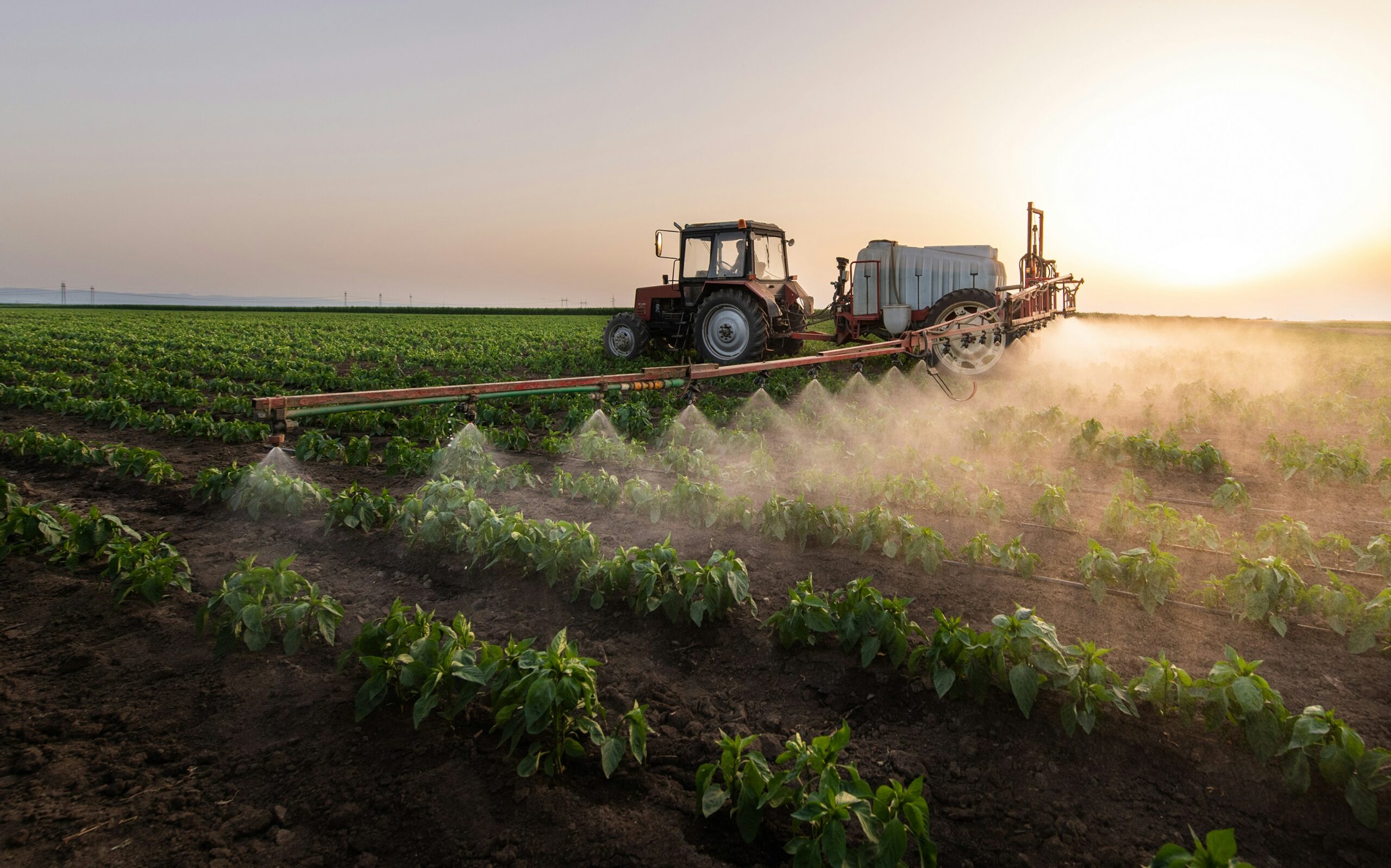
Agriculture has always depended on careful observation, experience, and a deep understanding of the land. Today, technology is adding a powerful new layer to that knowledge. Farmers can use data from sensors, satellites, drones, weather stations, and connected equipment to make more informed decisions about crops and soil. This growing connection between digital tools and traditional farming is known as tech-driven agriculture.
Tech-driven agriculture is changing how farmers plant, water, fertilize, monitor, and harvest crops. Instead of treating an entire field the same way, farmers can use detailed information to understand what different areas need. The result is a more precise approach that can improve efficiency while helping farmers manage valuable resources.
Data Is Becoming a Farm’s Most Useful Tool
Modern farms can generate large amounts of information every day. Soil sensors can measure moisture, temperature, and other conditions beneath the surface. Weather systems can provide information about rainfall, wind, and temperature. Satellite imagery can show changes in crop growth across large areas.
Farm management software can bring this information together in one place. Farmers can review current conditions, compare historical data, and identify changes that may require attention. This allows decisions to be based on measurable information rather than relying only on general assumptions.
Data does not replace a farmer’s experience. Instead, it can support that experience by providing a clearer picture of what is happening in the field.
Precision Farming Puts Information to Work
Precision farming is one of the most important applications of agricultural technology. It uses data to help farmers apply water, fertilizer, seeds, and crop protection products more accurately.
For example, soil moisture information can help determine when an area needs irrigation. A field with adequate moisture may not need additional water, while a drier section may require more attention. Variable-rate equipment can respond to these differences and adjust applications across a field.
This approach can reduce unnecessary resource use and help farmers focus their efforts where they matter most. It also gives farmers a better way to manage differences that naturally occur within the same field.
Drones and Satellites Offer a New View
Farmers no longer have to rely only on ground-level inspections. Drones can capture detailed images of crops, while satellites can monitor large agricultural areas from above.
These images can help identify uneven growth, water stress, pest damage, or other changes. When farmers notice a problem early, they may have more opportunities to investigate and respond before it spreads.
The value of these technologies comes from turning images into useful information. Advanced software can analyze visual data and highlight areas that deserve closer attention, helping farmers spend less time searching and more time solving problems.
Artificial Intelligence Is Changing Farm Decisions
Artificial intelligence is becoming another important part of modern agriculture. AI systems can analyze large datasets and recognize patterns that may be difficult to identify manually.
Farmers can use AI-powered tools for tasks such as crop monitoring, yield forecasting, disease detection, and equipment management. When combined with historical farm records and current environmental data, these systems can help create more detailed insights.
AI is not a replacement for human decision-making. Farming involves unpredictable weather, changing markets, biological conditions, and local knowledge. Technology works best when it gives farmers useful information while leaving important decisions in their hands.
Smarter Technology Can Support Sustainability
Agriculture faces increasing pressure to produce food while managing soil, water, energy, and other resources responsibly. Technology can support these goals by making resource use more precise.
Accurate irrigation data can help reduce unnecessary water use. Soil information can support more targeted fertilizer applications. Crop monitoring can help farmers identify problems before they require broad treatments.
These practices can also support healthier farm management over time. Better information makes it easier to measure what is working, identify waste, and adjust practices based on real conditions.
Challenges Still Stand in the Way
Tech-driven agriculture has significant potential, but adoption is not always simple. Advanced equipment can require substantial investment, training, maintenance, and reliable connectivity. Smaller farms may face different financial and technical barriers than large operations.
Data management is another important concern. Farmers need systems that are easy to use and provide information they can trust. Too much data without clear guidance can create confusion instead of improving decisions.
Privacy and data ownership also matter. Farmers should understand how their information is collected, stored, shared, and used by technology providers.
The Future of Farming Is Connected
The future of agriculture is likely to involve an even closer relationship between farmers, machines, and data. Connected tractors, smart irrigation systems, autonomous equipment, AI platforms, and remote monitoring tools can work together to create more responsive farms.
Yet the heart of agriculture remains the same: healthy soil, productive crops, skilled farmers, and reliable food production. Technology adds new capabilities to these foundations.
Tech-driven agriculture shows how data can move beyond computer screens and directly influence what happens in the field. When digital information meets practical farming knowledge, farmers can gain a clearer understanding of their land and make more precise decisions. The future of farming will not simply be about using more technology. It will be about using the right information at the right time to grow food more efficiently and sustainably.