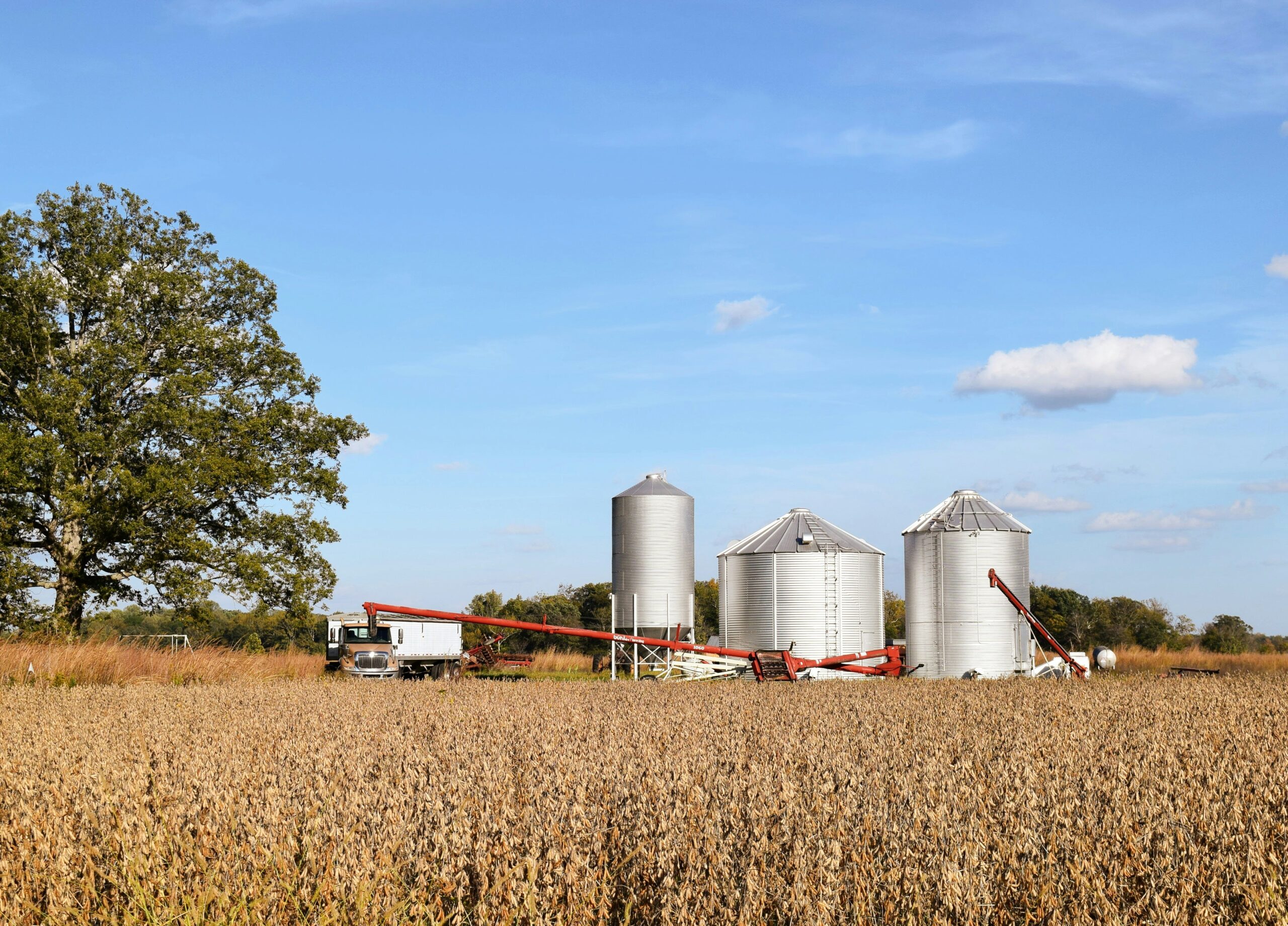
Grain storage plays a critical role in protecting the value of every harvest. Farmers invest significant time, money, and labor in producing quality crops. However, harvesting grain does not end the production process. Grain remains vulnerable to moisture, insects, mold, temperature changes, and other threats after entering storage. Therefore, effective grain preservation technology helps producers protect both grain quality and potential profits.
Modern technology has significantly changed how farmers and storage operators manage harvested grain. Instead of relying only on traditional storage practices, they can now monitor conditions with sensors, automated controls, advanced aeration, and digital management systems. Moreover, these technologies allow operators to identify potential problems before serious damage occurs. As a result, advanced grain storage solutions can reduce losses while supporting a safer and more reliable agricultural supply chain.
Why Modern Grain Preservation Matters
Stored grain continues to respond to environmental conditions after harvest. Excess moisture can encourage mold development, while high temperatures may increase insect activity and accelerate quality loss. Additionally, poor airflow can create warm areas within a grain mass. Therefore, storage operators must maintain stable conditions throughout the storage period to preserve grain quality.
Advanced grain preservation technology gives operators greater control over these risks. Digital tools can track moisture, temperature, and other important conditions continuously. Consequently, managers do not need to depend entirely on occasional manual inspections. Early information allows them to respond quickly, which can protect large quantities of grain from avoidable deterioration.
Smart Sensors Improve Grain Monitoring
Smart sensors have become valuable components of modern grain storage systems. Operators can install temperature and moisture sensors throughout bins, silos, and other storage structures. These devices collect information from different areas of the stored grain. Therefore, managers gain a clearer understanding of conditions that may not be visible from outside the storage facility.
Moreover, connected sensors can send information directly to digital platforms or mobile devices. A manager may receive an alert when temperature or moisture levels move beyond established limits. As a result, the operator can investigate the problem before it spreads. This proactive approach makes grain quality monitoring more efficient and supports better preservation decisions.
Automated Aeration Controls Temperature
Aeration remains one of the most important methods for maintaining suitable grain temperatures. Modern aeration systems use fans to move controlled amounts of air through stored grain. However, advanced systems improve this process through automated controls. These controls can respond to temperature readings and environmental conditions without requiring constant manual adjustment.
Additionally, automated aeration can help create more consistent conditions throughout a storage structure. Proper airflow reduces temperature differences that may cause moisture migration and localized spoilage. Therefore, storage managers can protect grain more effectively while using fans only when conditions support productive airflow. Efficient aeration may also reduce unnecessary energy consumption.
Moisture Management Prevents Quality Loss
Moisture control directly affects the storage life of harvested grain. Grain stored at unsuitable moisture levels can develop mold, odors, discoloration, and other quality problems. Furthermore, excess moisture may create favorable conditions for biological activity that produces additional heat. For this reason, accurate moisture management should begin before grain enters long-term storage.
Modern grain drying and moisture-monitoring technologies provide more precise control over this process. Automated drying systems can adjust operating conditions according to grain moisture and environmental factors. Meanwhile, monitoring equipment helps operators confirm that stored grain remains within appropriate moisture ranges. Consequently, producers can avoid excessive drying while still protecting the crop from moisture-related deterioration.
Digital Platforms Support Better Decisions
Digital grain management platforms bring information from multiple storage systems into one location. For example, a platform may display temperature readings, moisture data, aeration activity, and historical trends. Therefore, managers can evaluate storage performance without manually gathering information from separate sources. This centralized approach improves visibility across large agricultural operations.
Furthermore, historical data can reveal patterns that might otherwise remain unnoticed. Operators can compare current conditions with earlier storage periods and identify recurring problems. As a result, they can make more informed adjustments to drying, aeration, and monitoring practices. Data-driven grain storage management ultimately turns preservation from a reactive process into a more strategic operation.
Advanced Pest Management Protects Stored Grain
Insects can cause serious losses when they enter stored grain and reproduce under favorable conditions. Traditional pest control often depends heavily on inspections and treatment after infestations become noticeable. However, modern grain preservation systems support earlier detection. Sensors, traps, and monitoring technologies can help operators identify unusual activity before pest populations cause extensive damage.
Additionally, better temperature and moisture control can make storage environments less favorable for many grain pests. Therefore, pest management can work together with other preservation technologies instead of operating as a separate activity. When operators combine sanitation, monitoring, environmental control, and appropriate treatments, they can protect stored grain while reducing unnecessary interventions.
Artificial Intelligence Strengthens Storage Management
Artificial intelligence is creating new possibilities for advanced grain storage. AI-based systems can analyze information from sensors and identify patterns associated with developing storage problems. For instance, unusual temperature changes may indicate moisture movement, biological activity, or equipment problems. Therefore, predictive technology can help operators recognize risks before traditional inspections reveal obvious warning signs.
Moreover, intelligent systems may recommend specific actions based on real-time and historical information. They could suggest aeration adjustments or highlight areas that require immediate inspection. Consequently, AI can support faster and more consistent decision-making. Human expertise remains essential, but intelligent analysis gives storage managers additional information for protecting grain quality.
Energy Efficiency Supports Sustainable Preservation
Advanced grain preservation does not focus only on preventing spoilage. It can also improve energy efficiency throughout storage operations. Dryers, fans, conveyors, and monitoring equipment consume energy, especially at large facilities. Therefore, automated controls can help operators use equipment more strategically instead of running systems continuously or unnecessarily.
For example, intelligent aeration controls can operate fans when outside air conditions provide the greatest preservation benefit. Similarly, efficient drying technology can reduce excessive heating and unnecessary grain handling. As a result, storage facilities may lower operating costs while reducing energy waste. These improvements support both agricultural profitability and more sustainable grain management practices.
Strong Storage Technology Supports Food Security
Preventing post-harvest losses increases the amount of usable grain available for food, animal feed, processing, and trade. When storage conditions damage grain, farmers lose part of the economic value created during production. Furthermore, widespread storage losses can place additional pressure on agricultural supply chains. Therefore, better preservation contributes to more than individual farm profitability.
Advanced grain storage solutions can strengthen the reliability of food systems by keeping harvested crops usable for longer periods. Improved monitoring, aeration, moisture control, and pest management help preserve quality from harvest until sale or processing. Consequently, agricultural businesses can deliver more consistent products while reducing avoidable waste throughout the supply chain.
Building the Future of Grain Storage
Grain preservation technology will continue to become more connected, automated, and precise. Smart sensors, remote monitoring, artificial intelligence, and predictive systems already provide storage operators with information that previous generations could not access easily. Moreover, continuing innovation will likely make these tools more practical for farms and facilities of different sizes.
Ultimately, protecting stored grain requires both reliable technology and informed management. Advanced systems cannot replace proper sanitation, maintenance, inspection, or sound storage practices. However, they can make each of these responsibilities more effective. By combining agricultural knowledge with modern grain preservation technology, producers can reduce losses, maintain crop quality, improve profitability, and protect the value of every harvest.