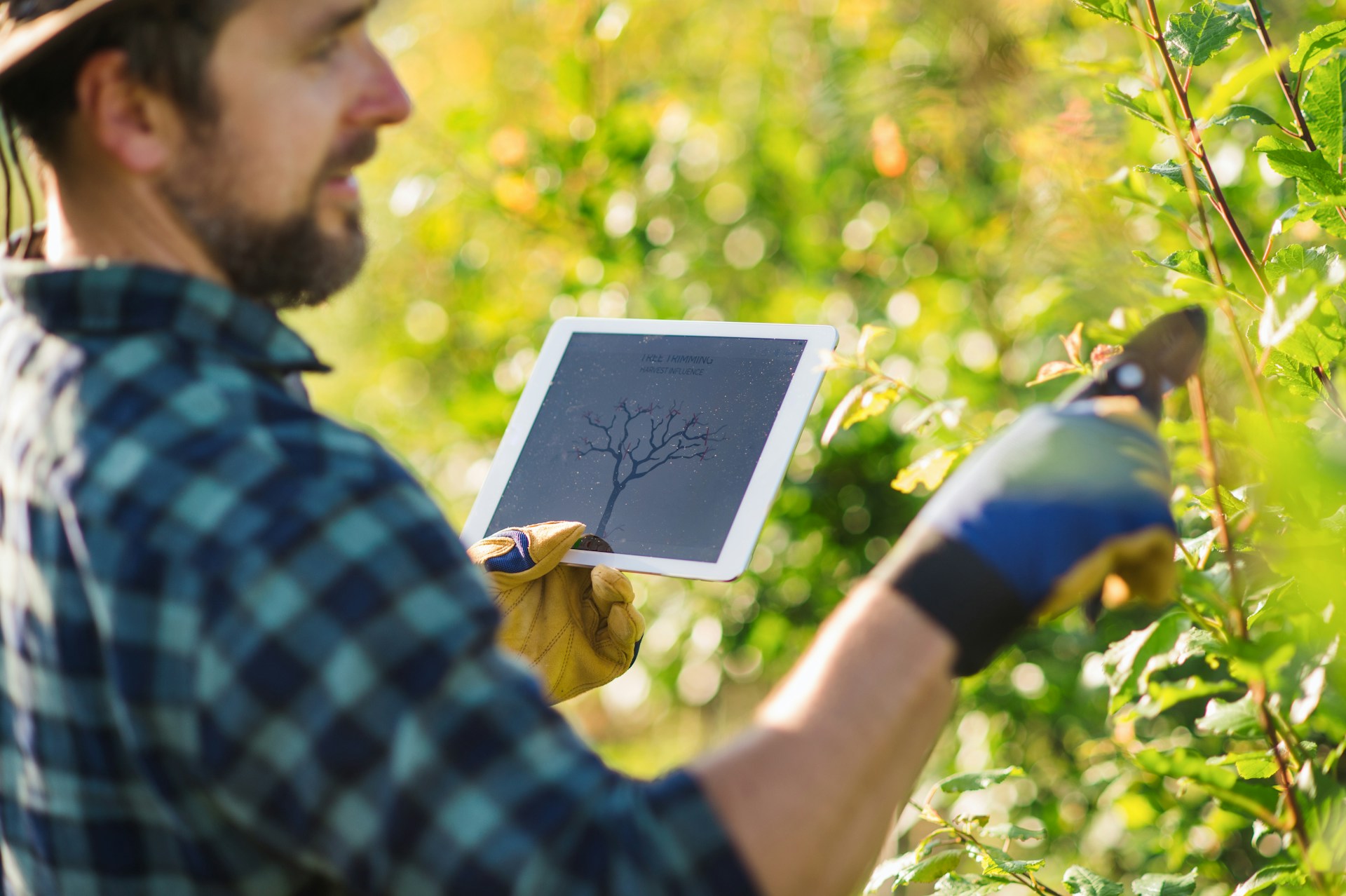
Agriculture is changing rapidly as farmers combine traditional knowledge with advanced digital tools to improve the way they grow food. Today, data, automation, and artificial intelligence are helping growers understand their fields with greater accuracy and make better decisions. Many producers are adopting precision agriculture technology to manage resources, increase productivity, and create more sustainable farming systems. By connecting information with real-world farming needs, modern agriculture is becoming smarter, more efficient, and better prepared for future challenges.
The Rise of Data-Based Farming Decisions
Farming has always depended on observation, experience, and careful planning. However, modern challenges such as climate change, limited resources, and growing food demands require more detailed information. Therefore, farmers are turning to data-driven solutions that help them understand every part of their operations. These tools provide valuable insights into soil conditions, crop health, weather patterns, and resource use.
Data-based farming allows growers to move from guesswork toward informed decisions. Instead of applying the same treatment across an entire field, farmers can identify specific areas that need attention. As a result, they can save resources, reduce waste, and improve crop performance. Moreover, these methods help farms become more adaptable when facing unpredictable environmental conditions.
How Sensors and Smart Tools Improve Crop Care
Technology has introduced powerful tools that help farmers monitor their fields in real time. Sensors placed in soil can measure moisture levels, nutrient conditions, and temperature changes. Consequently, farmers can understand exactly what their crops need and respond quickly. These improvements help create healthier growing conditions while reducing unnecessary resource use.
Furthermore, drones and satellite systems provide detailed views of large agricultural areas. Farmers can identify early signs of disease, pest problems, or water shortages before these issues become serious. Because of this, smart monitoring tools help growers protect their harvests more effectively. Over time, these technologies create more precise and responsible farming practices.
Artificial Intelligence Bringing New Insights to Agriculture
Artificial intelligence is becoming an important part of modern agricultural innovation. AI systems can analyze large amounts of information and identify patterns that humans may overlook. For example, these systems can help predict weather changes, estimate crop yields, and recommend better planting strategies. As a result, farmers can make decisions based on reliable information rather than uncertainty.
In addition, AI can support long-term farm planning by helping growers understand future risks and opportunities. When combined with local farming knowledge, these technologies create stronger decision-making processes. Farmers remain in control, while digital tools provide additional support. Therefore, artificial intelligence is becoming a valuable partner in creating more productive agricultural systems.
Connecting Farmers Through Digital Agriculture Networks
Agriculture becomes stronger when farmers have access to shared knowledge and useful information. Digital platforms now allow growers, researchers, and agricultural experts to exchange ideas more easily. Through these connections, farmers can discover improved methods and learn from experiences in different regions. As a result, smart farming solutions are helping create a more connected agricultural community.
These digital networks also support better access to market information and farming resources. Farmers can use online tools to track prices, understand consumer trends, and plan their production more effectively. Moreover, these connections help smaller farms gain access to knowledge that was once available only to larger agricultural operations. Technology is making farming information more accessible and useful for everyone.
Reducing Waste Through Intelligent Resource Management
One of the biggest advantages of data-driven agriculture is better resource management. Water, fertilizers, and energy are valuable resources, so farmers need effective ways to use them carefully. Digital systems help growers apply resources only where and when they are needed. Therefore, farms can reduce waste while maintaining strong crop production.
Additionally, smarter resource management supports environmental protection. When farmers use fewer unnecessary inputs, they can reduce pollution and protect nearby ecosystems. These practices also help lower farming costs and improve long-term efficiency. Because of this, data-powered agriculture benefits both farmers and the environment.
Helping Farms Adapt to Climate Challenges
Climate uncertainty has created new difficulties for farmers around the world. Changing temperatures, irregular rainfall, and extreme weather events can affect crop growth and farm productivity. However, data tools provide farmers with better ways to prepare for these challenges. Weather tracking systems and predictive models help growers make timely decisions.
Moreover, data can help farmers choose crops and practices that match changing conditions. By understanding environmental patterns, growers can improve resilience and reduce risks. This approach allows agriculture to adapt instead of simply reacting to problems. As climate challenges continue, technology will play a major role in supporting stronger food systems.
Balancing Innovation With Farming Experience
Although technology provides many benefits, successful agriculture still depends on human knowledge and experience. Farmers understand their land, local conditions, and community needs better than any digital system. Therefore, the most effective approach combines modern tools with traditional farming wisdom.
Furthermore, farmers need training and support to use new technologies successfully. Digital systems can only create value when growers understand how to apply the information they receive. As adoption increases, education and collaboration will become essential parts of agricultural progress. Together, technology and experience can create a more balanced future for farming.
Growing the Next Generation of Digital Agriculture
The future of agriculture will depend on how effectively farmers combine technology, knowledge, and environmental responsibility. Through data-driven crop management, growers can improve efficiency, protect resources, and create stronger food production systems. These innovations show that farming is no longer limited to physical fields alone, because information now plays a major role in every harvest decision. As technology continues to develop, agriculture will become more connected, accurate, and adaptable.
Ultimately, the relationship between data and farming will continue to shape the future of food production. Farmers, researchers, technology developers, and communities must work together to ensure these tools create meaningful benefits. By using innovation responsibly, the agricultural industry can build a smarter future that supports both people and the planet.