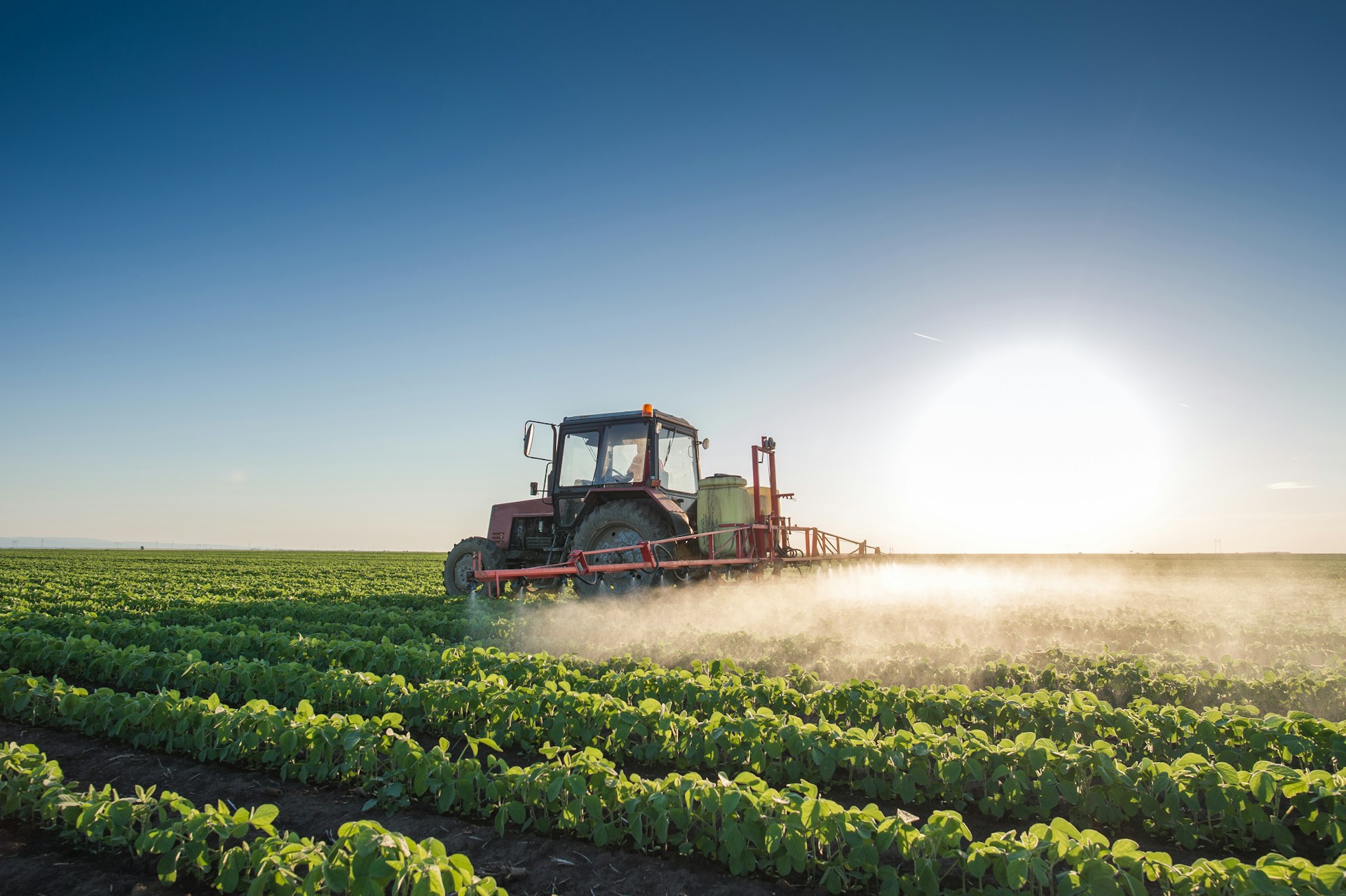
Agriculture continues to evolve as farmers face changing weather patterns, rising production costs, and growing demand for food. While these challenges can seem overwhelming, they also create opportunities to adopt better farming practices that support long-term success. Sustainable agriculture is no longer just an environmental goal. It has become a practical business strategy that helps farms remain productive and profitable for future generations. By embracing sustainable farming practices, growers can improve soil health, protect natural resources, and strengthen their operations without sacrificing productivity. Small improvements made today often create lasting benefits for tomorrow.
Strengthening Soil for Lasting Productivity
Healthy soil serves as the foundation of every successful farm. Crops depend on nutrient rich soil that supports strong root systems and consistent growth throughout the season. Therefore, maintaining soil quality should remain a priority for every grower who wants long term success.
Practices such as cover cropping, reduced tillage, and crop rotation help improve soil structure while preventing erosion. As a result, fields retain more moisture and nutrients, creating healthier growing conditions year after year. Healthy soil also supports beneficial microorganisms that contribute to stronger crop development.
Managing Water With Greater Efficiency
Water has become one of agriculture’s most valuable resources. Because weather patterns continue to shift, farmers must use irrigation wisely while conserving available supplies. Efficient water management not only protects natural resources but also reduces operating costs over time.
Modern irrigation systems, moisture sensors, and careful scheduling allow farmers to apply water only when crops truly need it. Consequently, less water is wasted through runoff or evaporation. These improvements support healthier plants while promoting responsible resource management across the farm.
Diversifying Crops to Reduce Risk
Growing the same crop season after season can increase pest problems, reduce soil quality, and expose farms to greater financial risk. Crop diversification creates a stronger balance by introducing different plant varieties that contribute unique benefits to the farming system.
Rotating crops also interrupts pest and disease cycles while improving nutrient availability within the soil. Furthermore, diversified production provides farmers with additional market opportunities. This flexibility helps reduce dependence on a single crop and creates greater financial stability during changing market conditions.
Using Technology to Make Better Decisions
Modern farming increasingly relies on information to improve efficiency. Field sensors, satellite imagery, drones, and farm management software provide valuable insights that support better daily decisions. During the growing season, precision agriculture helps farmers identify issues before they become costly problems.
Accurate data also allows growers to apply fertilizer, pesticides, and irrigation more precisely. Therefore, resources are used only where they are needed most. This targeted approach lowers expenses while improving crop performance and reducing environmental impact.
Protecting Farms Through Biodiversity
Healthy agricultural systems depend on more than crops alone. Pollinators, beneficial insects, birds, and healthy ecosystems all contribute to successful farming. Encouraging biodiversity creates a more balanced environment that naturally supports crop production.
Planting flowering borders, maintaining natural habitats, and reducing unnecessary chemical use encourage beneficial wildlife to thrive. Consequently, farms become more resilient while reducing dependence on synthetic pest control methods. These natural partnerships strengthen agricultural sustainability over the long term.
Investing in Renewable Farm Resources
Many farms are exploring renewable energy as part of their long term sustainability plans. Solar panels, wind systems, and energy efficient equipment help reduce operating costs while decreasing dependence on traditional energy sources. As technology becomes more affordable, renewable solutions continue to grow in popularity.
Energy efficiency extends beyond electricity generation. Improved machinery, better storage facilities, and fuel saving practices all contribute to lower operating expenses. Therefore, investments in renewable resources often produce both environmental and financial rewards over time.
Preparing Farms for Future Challenges
Agriculture will continue to face unpredictable weather, evolving regulations, and changing consumer expectations. Because these challenges cannot always be controlled, farmers benefit from building flexible operations that can adapt to new conditions quickly. Careful planning strengthens resilience while reducing uncertainty.
Education also plays an important role in future success. Farmers who stay informed about new research, technology, and management practices can respond more effectively to emerging challenges. In the middle of these ongoing improvements, climate-resilient farming supports stronger production systems that remain productive despite changing environmental conditions.
Creating a Sustainable Legacy for Future Generations
Long-term sustainability depends on thoughtful decisions made every growing season. By combining practical experience with modern innovation, regenerative agriculture helps farmers improve productivity while protecting the land that supports their livelihoods. Healthy soil, efficient resource management, and responsible planning create farms that can continue producing food for decades without exhausting natural resources.
Future proof farming is not about adopting every new technology or changing every traditional practice. Instead, it focuses on making steady improvements that strengthen resilience, increase efficiency, and protect valuable resources. Consequently, farms become better prepared for future challenges while continuing to provide reliable food production, economic stability, and environmental stewardship for generations to come.