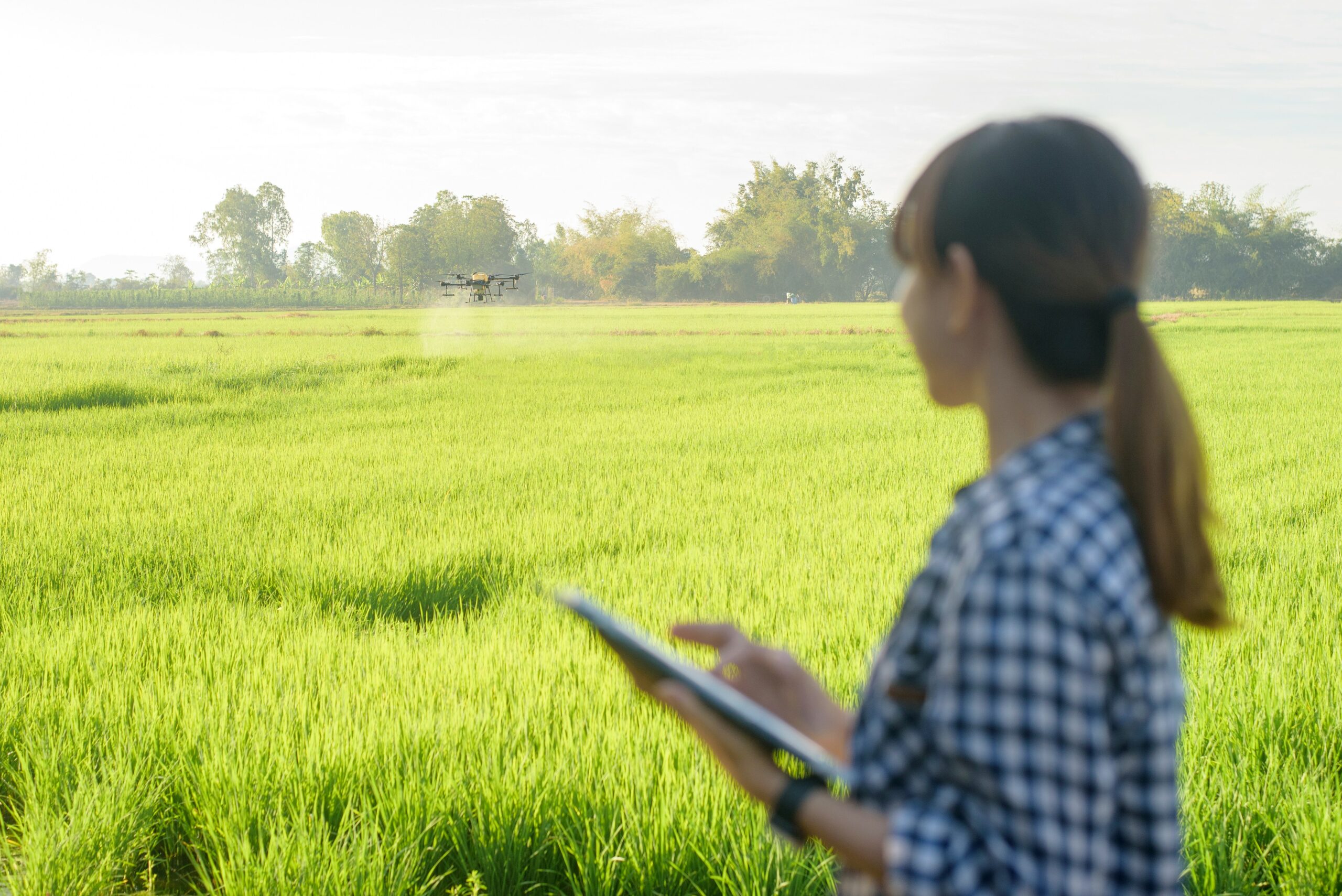
Digital Transformation in Agriculture is changing how farmers grow crops, manage resources, and respond to modern challenges. Today, farmers use digital tools, data systems, and smart farming technology to improve productivity and protect natural resources. As climate changes and food demand increases, agriculture needs faster and smarter solutions. Therefore, digital innovation helps farmers make better decisions, reduce waste, and create more efficient farming systems. This shift connects traditional farming knowledge with advanced technology to build a stronger future for agriculture.
The Rise of Digital Transformation in Agriculture
Digital Transformation in Agriculture combines technology with traditional farming methods to create more efficient operations. Farmers now use sensors, mobile apps, drones, and data platforms to understand field conditions. These tools provide useful information about soil quality, crop health, weather patterns, and water needs. As a result, farmers can take action at the right time and improve overall farm performance.
Moreover, digital tools help farmers reduce uncertainty. In the past, many decisions depended on experience and general weather predictions. However, modern farming solutions provide accurate information that supports better choices. Farmers can now monitor crops in real time and adjust their methods based on reliable data. This approach saves resources and supports long-term agricultural growth.
How Smart Farming Technology Improves Productivity
Smart farming technology plays a major role in improving farm productivity. Farmers use GPS systems, automated equipment, and artificial intelligence to complete tasks with greater accuracy. For example, precision agriculture allows farmers to apply water, fertilizer, and pesticides only where they are needed. Therefore, farms can increase output while lowering unnecessary costs.
In addition, smart technology creates better farm management practices. Digital platforms help farmers track crop progress, manage equipment, and organize daily activities. As a result, farmers spend less time handling manual tasks and more time focusing on important decisions. Furthermore, these systems support small and large farms by making advanced tools more accessible.
The Role of Data in Modern Farming Decisions
Data-driven farming has become one of the most important parts of agricultural innovation. Farmers collect information from sensors, satellites, and digital applications. Then, they analyze this data to understand farm conditions and predict future needs. This process allows farmers to create plans based on facts instead of assumptions.
Additionally, data helps farmers manage risks. Weather changes, pest problems, and resource shortages can affect crop production. However, digital systems can provide early warnings and helpful recommendations. Therefore, farmers can prepare better solutions before problems become serious. Over time, this improves farm stability and supports reliable food production.
Digital Tools Supporting Sustainable Agriculture Practices
Sustainable agriculture practices are becoming more important because farms must protect resources while meeting growing food needs. Digital Transformation in Agriculture supports sustainability by helping farmers use resources more carefully. For example, smart irrigation systems provide water based on actual crop requirements. This reduces water waste and protects valuable supplies.
Furthermore, digital farming tools help reduce environmental impact. Farmers can monitor soil conditions and use fewer chemicals when possible. As a result, farms can maintain healthier land and support stronger ecosystems. In addition, these practices help farmers save money while protecting future agricultural opportunities.
Challenges in Adopting Digital Agriculture Solutions
Although digital agriculture offers many benefits, some challenges remain. Many farmers face difficulties with technology costs, internet access, and digital skills. Therefore, training and support programs are important for successful adoption. Farmers need simple tools and clear guidance to use new systems effectively.
However, these challenges are becoming easier to manage as technology develops. Governments, technology companies, and agricultural organizations are working together to improve access. Moreover, affordable solutions are becoming available for farmers in different regions. As a result, more communities can benefit from modern farming solutions and digital progress.
The Future of Digital Transformation in Agriculture
The future of Digital Transformation in Agriculture looks promising as new technologies continue to grow. Artificial intelligence, robotics, and advanced analytics will create even smarter farming systems. These technologies will help farmers improve efficiency and respond quickly to changing conditions. Therefore, agriculture will become more connected, productive, and adaptable.
In addition, future farming will focus on combining technology with human knowledge. Farmers will continue to play a key role because their experience remains valuable. However, digital tools will provide stronger support for their decisions. Ultimately, the combination of experience and innovation will help create a more secure and sustainable food system.
Building Smarter Farms Through Connected Technology
Connected technology is helping farms operate as complete digital ecosystems. Farmers can connect machines, sensors, and software platforms to create smooth workflows. For instance, connected equipment can share information about field activities and machine performance. As a result, farmers can identify problems quickly and improve daily operations.
Moreover, connected systems encourage better communication across the agricultural industry. Farmers, suppliers, and researchers can share valuable information through digital networks. Therefore, the entire farming process becomes more organized and efficient. This collaboration supports stronger supply chains and helps communities achieve better agricultural results.
Why Digital Innovation Matters for Global Food Security
Global food security depends on the ability to produce more food with fewer resources. Digital Transformation in Agriculture provides tools that help farmers meet this challenge. Through improved planning, accurate monitoring, and efficient resource use, farmers can increase production while reducing waste. Therefore, digital innovation has become a key part of solving future food challenges.
Additionally, technology helps farmers adapt to climate-related problems. Changing weather patterns can create difficult conditions for crop growth. However, digital systems provide insights that help farmers adjust their strategies. As a result, agriculture becomes more flexible and prepared for future challenges.
Digital Transformation in Agriculture is creating a new era of smarter and more efficient farming. By using data, automation, and advanced digital tools, farmers can improve productivity and protect resources. Furthermore, these technologies support sustainable agriculture practices and help build stronger food systems. As innovation continues, digital farming will become an essential part of modern agriculture. The future of farming depends on combining human knowledge with technology to create solutions that benefit farmers, communities, and the planet.