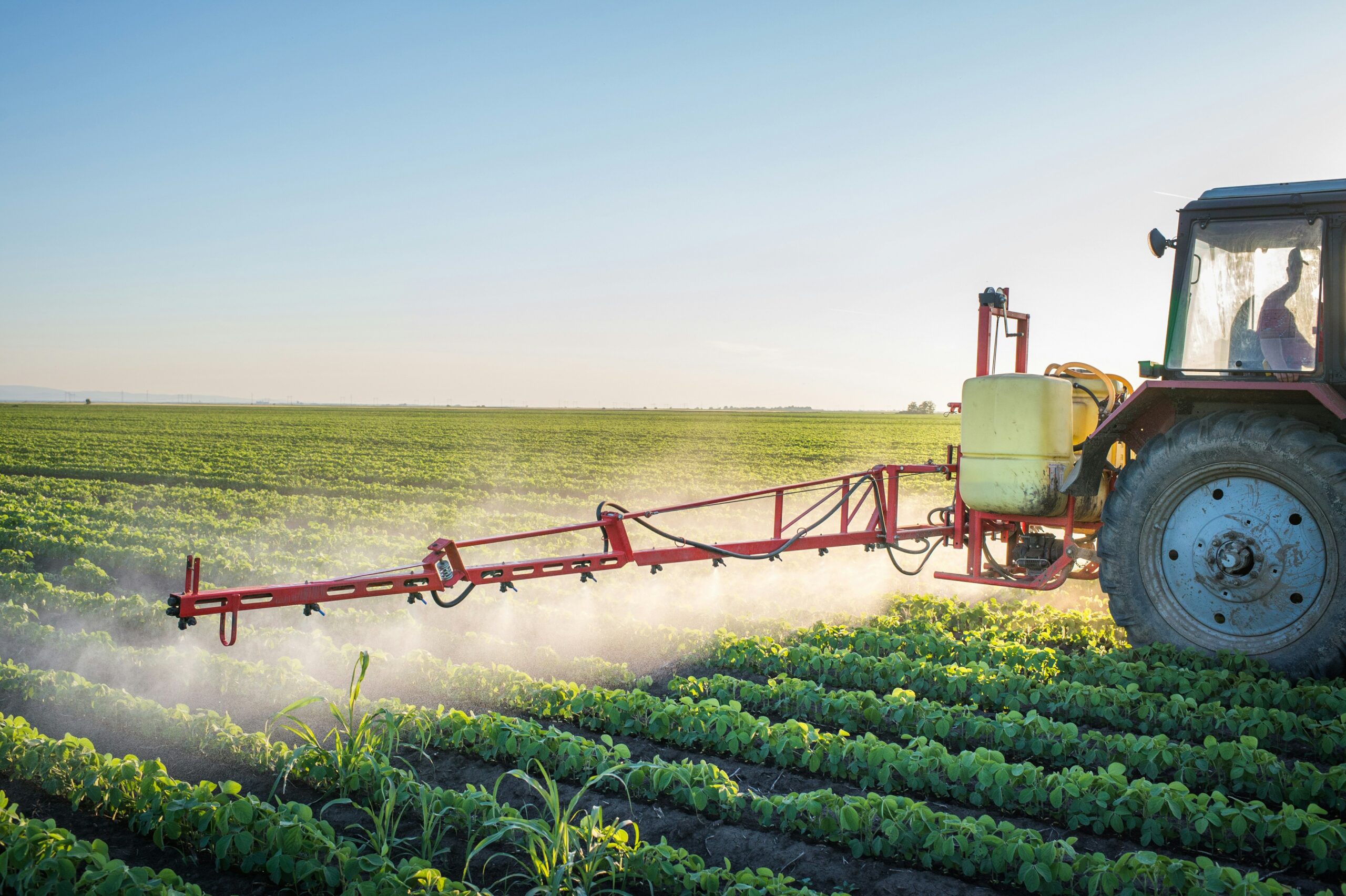
Agriculture has always changed as farmers find better ways to grow food and manage their land. Today, technology is pushing that change forward at a faster pace. Modern Agriculture now uses digital tools, smart machinery, sensors, drones, artificial intelligence, and data to improve daily farm work. These tools help farmers understand crops, soil, livestock, equipment, and weather in greater detail. Therefore, farmers can make informed choices while reducing waste and controlling costs. Technology also helps farms respond to labor shortages, changing weather, and pressure on natural resources. However, technology does not remove the need for farming knowledge. Instead, it supports the skills that farmers already use. As digital systems become more useful and easier to access, they are helping create a smarter, more productive, and more sustainable era for agriculture.
Technology Is Changing the Modern Farm
Farming once depended mainly on physical labor, simple machinery, local knowledge, and direct observation. Those skills still have great value. However, farmers can now combine them with digital information. Smart systems can track field conditions, monitor equipment, and organize farm records throughout the season.
As a result, farmers can better understand their operations. They do not have to wait until a crop shows clear signs of stress before checking a problem. Instead, sensors or digital tools may show changes earlier. Therefore, technology allows farmers to respond faster while making daily farm management more efficient.
Digital Farming Brings Information Together
Digital farming connects different parts of an agricultural operation through technology. Farmers may collect information from soil sensors, machinery, weather stations, livestock devices, and crop monitoring tools. Farm software can then organize this data in one place.
This connection makes information easier to use. For example, farmers can compare weather conditions with soil moisture before deciding whether to irrigate. They can also compare crop results across different seasons. Consequently, digital farming turns separate pieces of information into useful knowledge that supports better farm decisions.
Precision Agriculture Improves Resource Use
Different areas of a field often have different needs. Soil fertility, moisture, crop health, and nutrient levels can change across the same property. Therefore, applying the same amount of water or fertilizer everywhere may waste resources.
Precision agriculture helps farmers identify these differences. GPS technology, digital maps, sensors, and field data can show which areas need more or less attention. Farmers can then apply resources more carefully. As a result, they may reduce unnecessary costs while giving crops the support they need for healthy growth.
Smart Sensors Give Farmers Timely Insights
Smart sensors can monitor important farm conditions throughout the day. Depending on the system, they may measure soil moisture, temperature, humidity, and other factors. Farmers can review this information through a computer or mobile device.
Because sensors provide frequent updates, farmers can notice changes sooner. For instance, low soil moisture may signal that a specific field needs irrigation. Farmers can then inspect the area and decide what action makes sense. Therefore, sensors help turn field conditions into useful information that supports faster decisions.
Artificial Intelligence Supports Better Planning
Farms can produce large amounts of data from equipment, crops, sensors, weather tools, and production records. Reviewing all this information manually can take a great deal of time. Artificial intelligence can help farmers study data more efficiently.
AI tools can find patterns in crop images, weather records, soil information, and past yields. As a result, they may help farmers recognize plant stress, estimate production, or plan resource use. Still, farmers provide the local knowledge and judgment needed to understand each situation. Therefore, AI works best as a tool that supports human decisions.
Agricultural Drones Improve Field Monitoring
Farmers need to inspect crops often, but checking large fields on foot can take hours. In addition, some problems are easier to recognize from above. Agricultural drones provide a practical way to capture detailed images of large areas.
These images may reveal weak crop growth, dry sections, pest damage, or other unusual conditions. Farmers can then focus their attention on those locations. Consequently, drones can reduce unnecessary inspection time and help farmers find problems sooner. Earlier action may also prevent small concerns from becoming larger ones.
Smart Irrigation Helps Conserve Water
Water plays a major role in crop production, yet farmers need to use it carefully. Fixed watering schedules do not always reflect current weather or soil conditions. Therefore, they may provide too much or too little water.
Smart irrigation systems can use soil moisture data and weather information to guide watering. Farmers can adjust schedules according to actual crop needs. In addition, some systems can make automatic changes when conditions shift. This approach can reduce water waste while supporting healthy plant development.
Automation Makes Farm Work More Efficient
Many agricultural jobs require repeated physical work. Planting, spraying, irrigation, feeding, and harvesting can take a long time. Automation can help farmers complete some of these tasks with greater consistency.
Automated systems can also improve the use of labor. Workers can spend less time on repetitive activities and more time on planning, maintenance, crop care, and problem-solving. Therefore, automation does not simply change how farms use machines. It also changes how agricultural workers use their time and skills.
Robotics Creates New Opportunities for Farming
Robotics continues to open new possibilities in Modern Agriculture. Agricultural robots can support tasks such as weeding, crop monitoring, harvesting, and sorting. These tools can operate with high accuracy when farms use them for appropriate tasks.
Robotics may also help farms manage labor challenges. However, farmers and workers still need to operate, maintain, and supervise these systems. As a result, farm jobs may require more technical knowledge in the future. Human skills and robotic technology can work together to create more efficient agricultural operations.