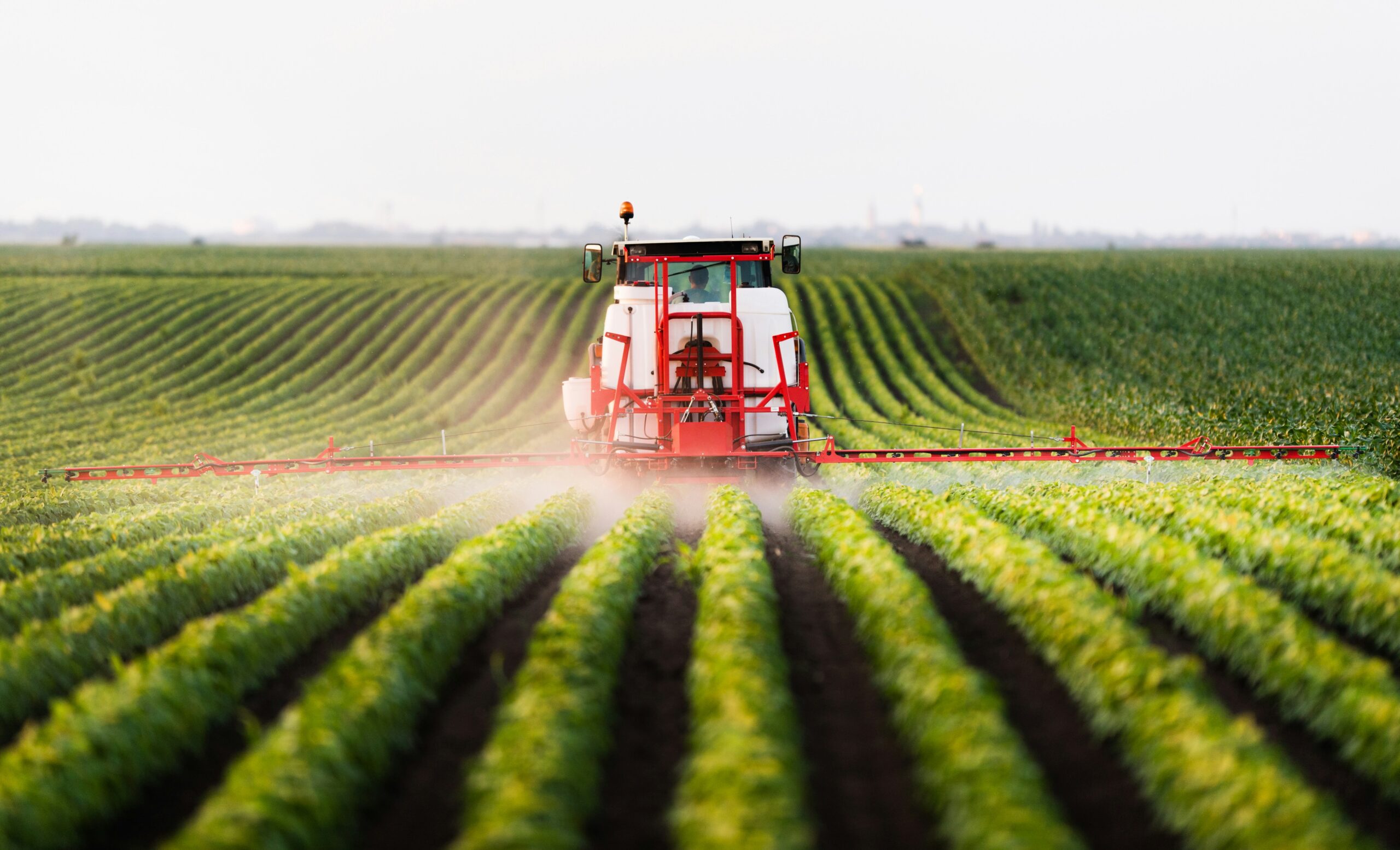
Agriculture has always been one of the most essential human activities, but the way it operates is undergoing a dramatic transformation. Traditional farming methods that relied heavily on experience, manual labor, and seasonal patterns are now being enhanced by advanced digital technologies. This shift is not replacing agriculture’s roots but expanding its capabilities through innovation.
Data, connectivity, and automation increasingly drive modern agriculture. Farmers can now monitor soil conditions, track weather changes, and manage crops with a level of precision previously impossible. This evolution is helping the agricultural sector respond to global challenges such as climate change, population growth, and resource scarcity.
Digital agriculture is no longer an experimental concept. It has become a practical and necessary approach for improving productivity, sustainability, and long-term food security.
Precision Agriculture and Smarter Decision-Making
One of the most important innovations in modern farming is precision agriculture. This approach focuses on managing crops based on detailed information about soil conditions, field variability, and environmental factors.
Instead of treating entire fields uniformly, precision agriculture allows farmers to divide land into specific zones. Each zone receives customized treatment based on its unique requirements. This leads to more efficient use of water, fertilizers, and pesticides.
GPS-enabled machinery plays a major role in this transformation. Tractors and planting equipment can now operate with high accuracy, reducing overlap and ensuring consistent crop spacing. This improves yield quality while reducing input costs.
Precision agriculture also relies heavily on data collection. Sensors placed in fields measure moisture levels, nutrient content, and temperature variations. This real-time information helps farmers make faster and more accurate decisions.
The Role of Data Analytics in Modern Farming
Data analytics has become a core component of agricultural innovation. Every stage of farming, from planting to harvest, now generates valuable information that can be analyzed for better decision-making.
Farmers can use historical data to identify patterns in crop performance and understand how different environmental conditions affect yields. This helps in planning future planting cycles more effectively.
Predictive analytics is also becoming increasingly important. By analyzing weather trends, soil conditions, and market demand, farmers can forecast potential outcomes and adjust their strategies accordingly. This reduces risk and improves profitability.
Data-driven agriculture allows for continuous improvement. Instead of relying solely on experience, farmers can now refine their methods using measurable insights.
Smart Irrigation and Water Efficiency Technologies
Water management is one of the biggest challenges in agriculture, especially in regions affected by drought or irregular rainfall. Digital technology is helping address this issue through smart irrigation systems.
These systems use sensors and weather data to determine exactly when crops need water. Instead of following fixed schedules, irrigation is adjusted based on real-time soil moisture levels and environmental conditions.
Drip irrigation systems have become increasingly popular because they deliver water directly to plant roots. This reduces evaporation and water waste while improving crop health.
Some advanced systems even connect to weather forecasting tools, automatically adjusting irrigation schedules when rain is expected. This level of automation significantly improves water conservation efforts.
Efficient water usage not only supports environmental sustainability but also reduces operational costs for farmers.
Artificial Intelligence and Agricultural Automation
Artificial intelligence is playing a growing role in reshaping agriculture. AI systems can process large volumes of agricultural data and generate actionable insights.
Machine learning models can detect patterns in crop growth, identify early signs of disease, and predict yield outcomes. These systems help farmers take preventive action before problems become severe.
Automation is also becoming more common in field operations. Self-driving tractors, robotic harvesters, and automated planting systems are reducing the need for manual labor while improving efficiency.
In controlled environments such as greenhouses, AI systems manage temperature, humidity, and lighting conditions to optimize plant growth. This creates more stable and predictable production systems.
Artificial intelligence is helping agriculture become more precise, efficient, and resilient.
Drone Technology and Aerial Monitoring Systems
Drones have become one of the most valuable tools in modern farming. They provide a bird’s-eye view of agricultural fields, allowing farmers to monitor crop health and field conditions with great accuracy.
Equipped with advanced cameras and sensors, drones can detect variations in plant health that are not visible from the ground. This includes early signs of disease, pest infestations, and nutrient deficiencies.
Aerial imaging also helps map large fields and assess crop density. This information is used to improve planting strategies and optimize resource allocation.
Drones can also be used to spray fertilizers and pesticides, enabling more targeted application and reducing chemical waste.
This technology improves efficiency while reducing the time and labor required for field inspections.
Soil Monitoring and Environmental Insights
Healthy soil is the foundation of successful agriculture, and digital tools are making it easier to maintain and improve soil conditions.
Soil sensors provide continuous data on moisture levels, pH balance, temperature, and nutrient availability. This helps farmers understand how soil conditions change over time and respond accordingly.
Digital soil mapping allows farmers to divide land into zones based on soil characteristics. This enables more precise application of fertilizers and improves overall soil management.
Environmental monitoring systems also track climate conditions such as rainfall, wind speed, and temperature fluctuations. This information helps farmers plan agricultural activities more effectively.
Better soil and environmental monitoring lead to healthier crops and more sustainable farming practices.
Integrated Farm Management Systems
Modern agriculture generates vast amounts of data from multiple sources. Managing this information effectively requires integrated farm management systems.
These digital platforms bring together data from sensors, machinery, drones, and weather systems into a single interface. Farmers can monitor operations, track performance, and analyze trends in real time.
Integrated systems improve communication between different aspects of farm management. This includes planting schedules, irrigation planning, harvest timing, and supply chain coordination.
By centralizing data, these systems help farmers make faster and more informed decisions.
Sustainability Through Digital Innovation
Digital agriculture plays a key role in promoting environmental sustainability. Precision farming reduces excessive use of fertilizers and pesticides, minimizing environmental impact.
Smart irrigation systems conserve water resources, while automated machinery reduces fuel consumption and emissions. These technologies help agriculture become more environmentally responsible.
Digital tools also support better land management practices, helping preserve soil quality and biodiversity over time.
Sustainability is no longer separate from productivity. In modern agriculture, both goals are achieved together through technology.
Challenges in Adopting Agricultural Technology
Despite its benefits, digital agriculture also faces several challenges. High implementation costs can make advanced systems difficult for smaller farms to adopt.
Technical knowledge is another barrier. Farmers need training to understand and effectively use digital tools and data systems.
Rural connectivity issues can also limit access to real-time data and cloud-based platforms in some regions.
Additionally, concerns around data security and system reliability are becoming increasingly important as farms become more dependent on digital infrastructure.
Overcoming these challenges is essential for ensuring that technological benefits are accessible to all farmers.
The Future of Digital Agriculture
The future of agriculture will be defined by deeper integration between technology and traditional farming practices. Artificial intelligence, robotics, and data analytics will continue to evolve and become more widely used across the agricultural sector.
Farms will increasingly operate as connected digital ecosystems where every decision is supported by real-time information and predictive insights. This will improve efficiency, reduce environmental impact, and enhance global food security.
As innovation continues, agriculture will become more precise, adaptive, and sustainable, ensuring that farming remains capable of meeting the needs of future generations.