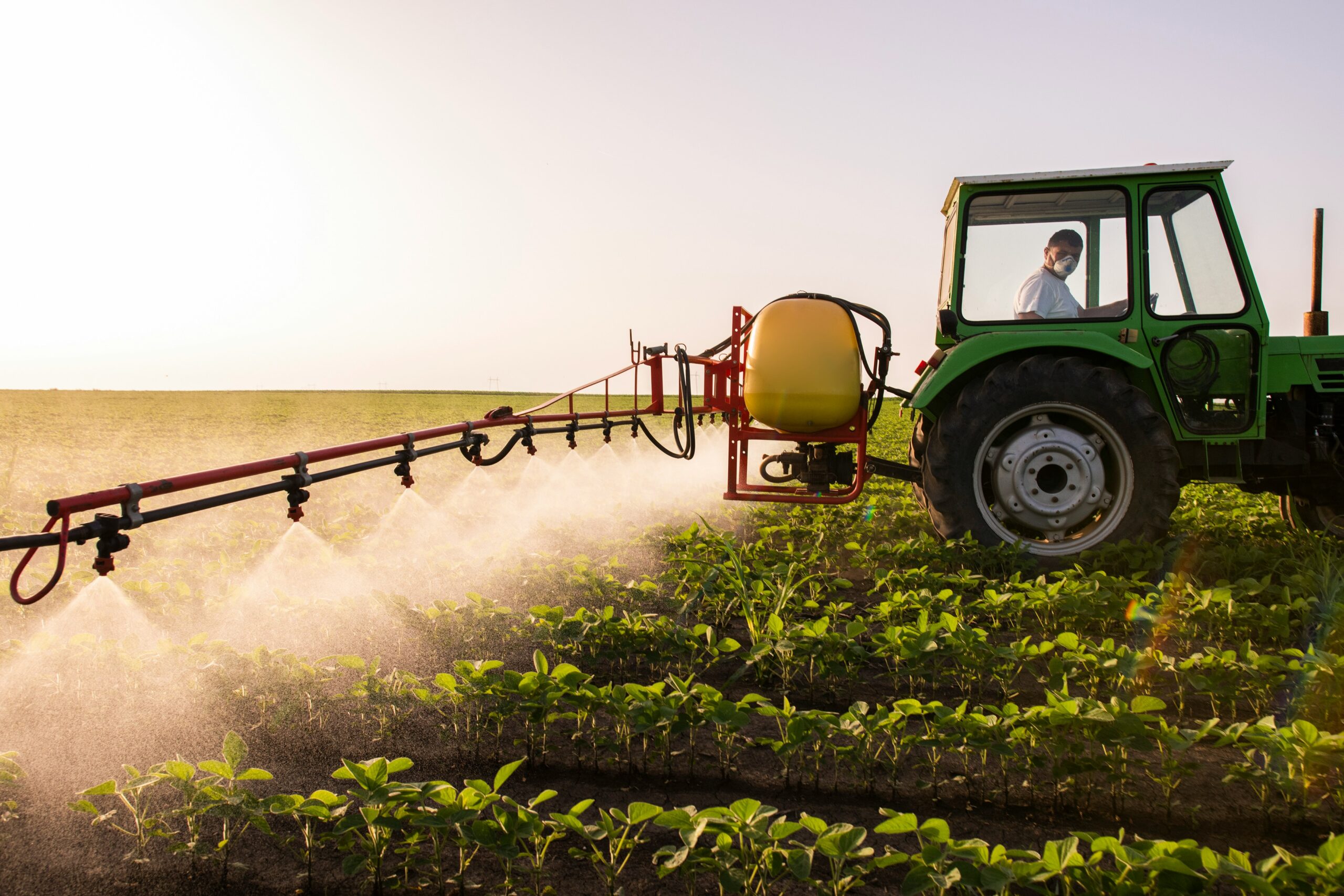
Agriculture continues to evolve as farmers seek better ways to produce food while protecting natural resources. Growing populations, climate challenges, and limited resources have created a need for smarter farming practices that support both productivity and environmental balance.
The future of agriculture depends on combining traditional knowledge with advanced technology, efficient resource management, and responsible farming approaches. By adopting sustainable solutions, modern farmers can improve crop quality, reduce waste, and create stronger systems that support communities for generations.
The Growing Need for Sustainable Farming Practices
Modern farming faces many challenges that require new solutions. Farmers must produce more food while managing issues such as changing weather patterns, soil damage, and water shortages. Therefore, sustainable farming methods have become essential for creating reliable food systems that protect the environment and maintain farm productivity. These approaches focus on using resources wisely while supporting healthy ecosystems.
Additionally, sustainable practices help farmers reduce unnecessary costs and improve long-term results. Techniques such as soil conservation, crop rotation, and responsible water use allow farms to maintain strong production without exhausting natural resources. As a result, farmers can build more resilient operations that handle future challenges more effectively.
Technology Transforming Modern Agricultural Systems
Technology plays an important role in improving farming efficiency and decision-making. Today, farmers use digital tools, sensors, and data systems to understand crop conditions and manage resources more accurately. These technologies also help identify problems early, allowing farmers to act before major losses occur.
Smart farming solutions also improve how farmers use land, water, and fertilizers. For example, precision farming tools provide detailed information about field conditions and help farmers apply resources only where needed. As a result, technology supports higher productivity while reducing environmental impact and improving overall farm performance.
The Role of Artificial Intelligence in Farming
Artificial intelligence is becoming a valuable tool for farmers seeking faster, more accurate insights. AI systems can analyze large amounts of agricultural data, predict crop performance, and identify possible risks. As a result, farmers can make informed decisions that improve efficiency and reduce uncertainty across different farming stages.
Furthermore, AI technology supports automation in many agricultural activities. Automated equipment can help with planting, monitoring, and harvesting tasks while reducing labor pressure. As technology improves, artificial intelligence will create more opportunities for farmers to increase production while maintaining responsible practices.
Water Management for Efficient Crop Production
Water remains one of agriculture’s most valuable resources. As water concerns grow, farmers are adopting efficient irrigation systems and effective techniques. These solutions help deliver the right amount of water to crops while preventing unnecessary waste.
Moreover, advanced irrigation technologies let farmers monitor moisture levels and adjust water use based on crop needs. This approach improves plant health and supports sustainable production. Therefore, efficient water management has become a major part of creating farming systems that can succeed in changing environmental conditions.
Improving Soil Health Through Responsible Methods
Healthy soil creates the foundation for successful agriculture. However, years of intensive farming can reduce soil quality and affect crop growth. Sustainable farmers now focus on protecting soil through methods that improve nutrients, increase organic matter, and support natural processes.
Responsible soil management also helps farms remain productive over time. Practices such as composting, cover cropping, and reduced chemical use strengthen soil structure and encourage healthier crops. As a result, farmers can maintain better yields while protecting one of the most important resources in food production.
Sustainable Farming Supporting Environmental Protection
Agriculture and environmental protection must work together to create a balanced future. Sustainable farming practices help reduce pollution, protect biodiversity, and maintain healthier ecosystems. Farmers who use environmentally friendly methods help keep land and water cleaner.
Additionally, sustainable agriculture supports natural cycles that benefit both farms and surrounding environments. By protecting beneficial insects, improving soil quality, and reducing harmful practices, farmers create stronger agricultural systems. Over time, these efforts help communities achieve better food security while preserving natural resources.
The Impact of Renewable Energy on Agriculture
Renewable energy is becoming an important part of modern farming operations. Solar power, wind energy, and other clean energy sources help farmers reduce dependence on traditional energy systems. As a result, renewable solutions offer new opportunities for farms to lower costs and improve sustainability.
Renewable energy also supports more efficient agricultural operations. Farms can use clean energy to power irrigation systems, storage facilities, and equipment. As energy technology advances, more farmers will adopt solutions that support both economic growth and environmental responsibility.
Building a More Resilient Agricultural Future
The future of farming requires cooperation between farmers, researchers, technology providers, and communities. By combining innovation with sustainable practices, agriculture can become more efficient and adaptable. The future of agriculture will depend on systems that support food production while respecting environmental limits.
Continued investment in scientific research and education will help farmers adopt better solutions. New farming technologies, improved resource management, and sustainable strategies will shape the next generation of agriculture. Through innovation and responsible decision-making, farming can remain productive, profitable, and environmentally friendly for years to come.