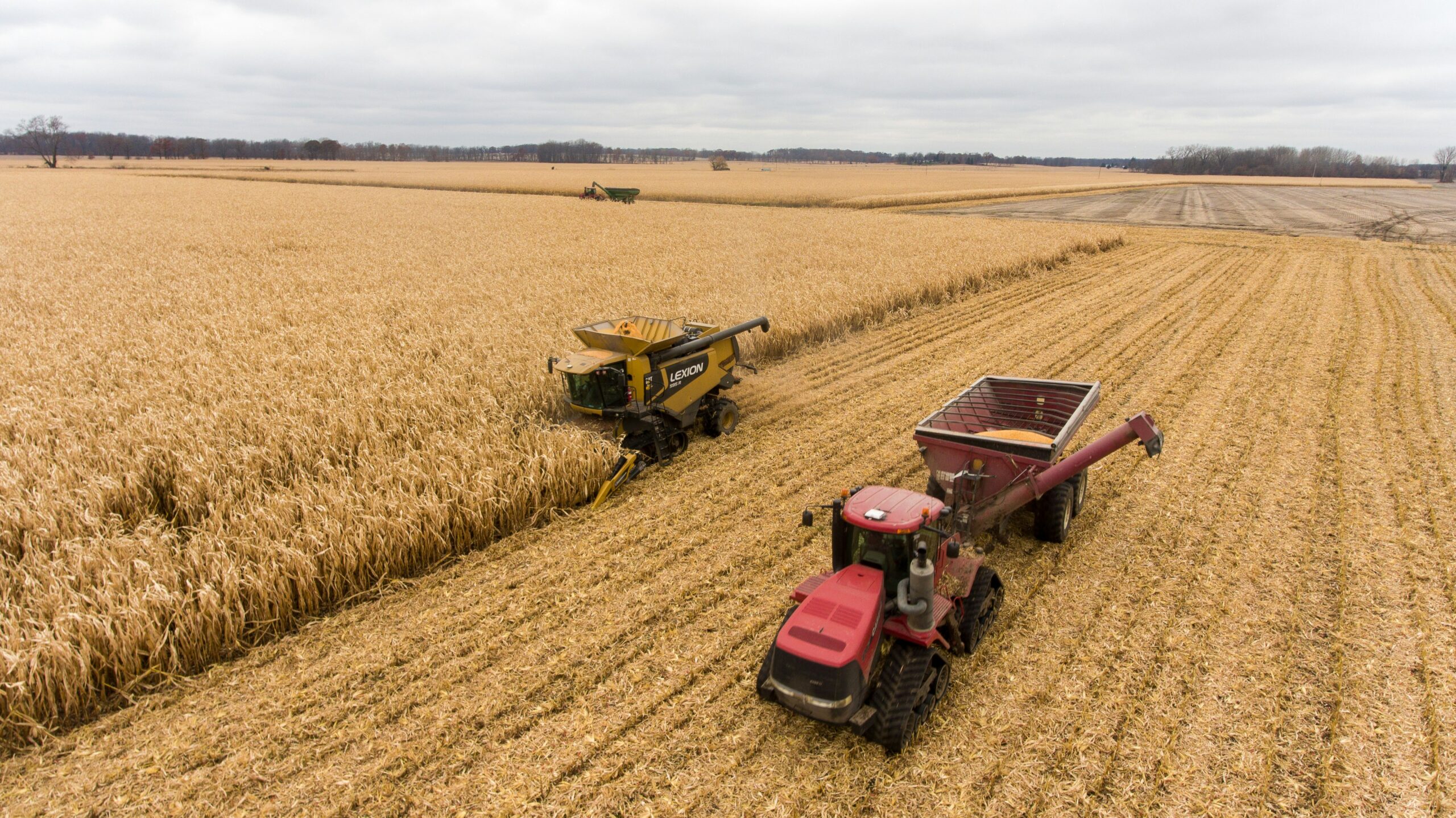
The grain industry plays a major role in global agriculture, food production, and economic development. Every grain product begins with a farmer who prepares the land, manages crops, and works through different challenges to achieve a successful harvest. However, the journey does not end when grain leaves the field. Production, storage, transportation, marketing, and sales all influence the final value of grain. Therefore, understanding the grain economy helps farmers and businesses make smarter decisions and improve profitability.
Today, the grain economy connects millions of people through a complex but important agricultural network. Farmers, suppliers, traders, processors, and consumers all contribute to the movement of grain from production to profit. As technology and market demands continue to change, the grain industry is becoming more efficient and competitive. By understanding each stage of this process, stakeholders can create stronger opportunities for long-term success.
The Foundation of the Grain Economy Begins With Production
Grain production is the first and most important stage of the agricultural value chain. Farmers invest time, resources, and knowledge to grow crops that support food systems around the world. Therefore, successful grain production depends on careful planning, proper land management, and effective farming practices.
Moreover, modern farming methods are helping farmers improve production efficiency. Technology, improved equipment, and better crop management techniques allow farmers to increase yields while reducing unnecessary costs. For example, farmers can use digital tools to monitor soil conditions and improve planting decisions. As a result, grain production has become more precise and better prepared for changing environmental conditions.
Technology Is Transforming Grain Farming
Technology has become a powerful force in improving grain production and management. Farmers now use advanced tools to collect information about weather, soil health, and crop performance. Therefore, technology allows farmers to make better decisions throughout the growing season.
Furthermore, digital farming solutions help farmers reduce waste and improve resource use. Smart equipment and data systems provide valuable insights that support better crop management. Consequently, farmers can increase productivity while protecting important resources such as water and soil. Technology continues to reshape the grain economy by creating more efficient production systems.
Storage and Preservation Protect Grain Value
After harvesting, grain enters a critical stage where proper storage becomes essential. Poor storage conditions can reduce quality and create financial losses for farmers. Therefore, effective storage systems play an important role in protecting the value of harvested grain.
In addition, modern storage facilities help farmers maintain grain quality for longer periods. Temperature control, moisture management, and monitoring systems allow farmers to reduce spoilage risks. As a result, better storage practices help farmers protect their investment and increase their chances of achieving higher profits in the market.
Transportation Connects Farmers With Global Markets
Transportation plays a key role in moving grain from farms to buyers. Once grain is harvested and stored, it must travel through supply chains that connect producers with processors, retailers, and international markets. Therefore, efficient transportation systems are essential for maintaining a successful grain economy.
Moreover, transportation costs can influence the final value of grain products. Farmers and businesses must carefully manage logistics to maintain profitability. For example, efficient shipping and improved supply chain planning can reduce expenses and improve market access. Consequently, strong transportation networks help create a smoother connection between production and profit.
Market Demand Influences Grain Prices
The grain economy depends heavily on market demand and consumer needs. Prices can change based on factors such as weather conditions, global supply levels, and changes in food consumption patterns. Therefore, farmers must understand market trends to make informed business decisions.
Furthermore, market knowledge allows farmers to plan production strategies more effectively. When farmers understand demand patterns, they can make better choices about planting and selling their crops. As a result, market awareness becomes an important tool for improving financial outcomes in the grain industry.
Global Trade Expands Grain Opportunities
International trade has created new opportunities for grain producers around the world. Many countries depend on grain imports and exports to meet food and industrial needs. Therefore, global trade plays an important role in connecting farmers with larger markets.
Additionally, international grain markets provide opportunities for economic growth. Farmers and businesses can reach new customers and increase their potential revenue through global connections. However, global trade also requires careful planning because market conditions can change quickly. As a result, successful participants in the grain economy must remain flexible and informed.
Processing Adds More Value to Grain Products
Grain processing transforms raw agricultural products into valuable food and industrial materials. This stage creates additional economic opportunities by increasing the usefulness of harvested grain. Therefore, processing plays an important role in turning agricultural production into profitable products.
Moreover, processing industries create jobs and support economic development in many regions. Flour production, animal feed manufacturing, and other grain-based industries depend on a steady supply of quality grain. Consequently, processing strengthens the connection between farmers and consumers while increasing the overall value of grain.
Sustainability Is Shaping the Future of Grain Production
Sustainability has become an important focus within the grain economy. Farmers and businesses are exploring methods that protect natural resources while maintaining productivity. Therefore, sustainable practices help create a stronger agricultural system for future generations.
Furthermore, sustainable grain production can improve efficiency and reduce environmental impact. Farmers who manage soil health, conserve water, and use resources responsibly can create more resilient operations. As a result, sustainability is becoming an important factor in long-term success within the grain industry.
Financial Planning Helps Farmers Increase Profit
Profitability in the grain economy depends on more than producing a large harvest. Farmers must manage expenses, understand market conditions, and make strategic decisions. Therefore, financial planning plays an important role in achieving long-term agricultural success.
In addition, farmers can improve profitability by understanding every stage of the grain value chain. Better storage, efficient transportation, and smart marketing decisions can increase returns. Consequently, financial awareness helps farmers build stronger businesses and manage challenges more effectively.