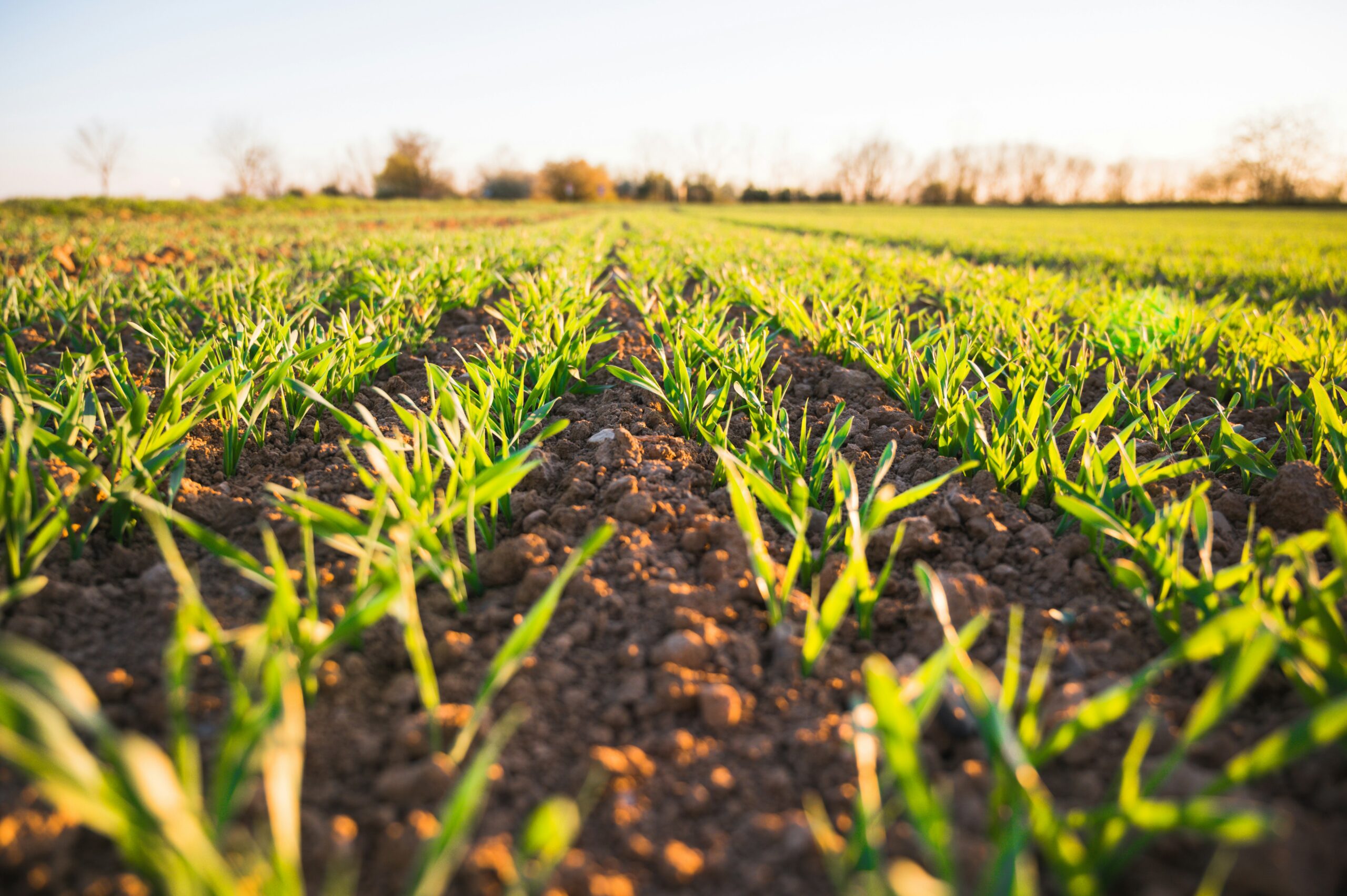
Agriculture has always been a cornerstone of human civilization, but the tools and methods used to grow food have changed dramatically over time. What once depended entirely on human labor, animal power, and environmental intuition has now transformed into a highly sophisticated system powered by software, sensors, and data analytics. This evolution reflects a broader shift in how societies approach food production, efficiency, and sustainability.
The journey from soil-based intuition to software-driven precision has not happened overnight. It is the result of centuries of innovation, from the earliest farming tools to today’s advanced digital platforms that help farmers make real-time decisions. Understanding this progression reveals how deeply technology has reshaped agriculture and why it continues to play an essential role in feeding a growing global population.
Early Farming Tools and Traditional Agricultural Practices
In the earliest stages of agriculture, farming was entirely dependent on manual labor and basic tools. Farmers relied on simple implements like wooden plows, sickles, and hand irrigation systems to cultivate crops. Knowledge was passed down through generations, and success depended heavily on experience, observation, and natural cycles.
These traditional methods, while effective for small communities, had significant limitations in scale and efficiency. Crop yields were highly vulnerable to weather conditions, pests, and variations in soil fertility. Despite these challenges, early agricultural practices laid the foundation for organized food production and community development.
Mechanization and the Agricultural Revolution
The introduction of mechanization marked one of the most significant turning points in agricultural history. The development of machines such as tractors, harvesters, and seed drills allowed farmers to cultivate larger areas of land with far less manual labor. This shift dramatically increased productivity and changed the structure of rural economies.
Mechanization also introduced consistency and speed into farming operations. Tasks that once took weeks could now be completed in days or even hours. However, while machines improved efficiency, decision-making still relied largely on human judgment, and data was not yet a central component of farming strategy.
The Rise of Chemical Inputs and Scientific Farming
The next major evolution in agriculture came with the widespread use of fertilizers, pesticides, and herbicides. These chemical inputs were designed to improve crop yields and protect plants from pests and diseases. Farmers began to adopt more scientific approaches to soil management and crop protection, leading to significant increases in food production worldwide.
During this period, agricultural research institutions played a key role in developing improved crop varieties and farming techniques. While productivity increased, concerns about environmental impact and long-term soil health also began to emerge. This set the stage for a more balanced and data-informed approach to farming in the future.
The Digital Turn in Agriculture
The introduction of digital technology marked a new era in agriculture, shifting the focus from physical tools to information systems. Computers began to play a role in farm management, helping farmers track expenses, yields, and inventory more efficiently. This transition laid the groundwork for the integration of software into agricultural decision-making.
As internet access expanded into rural areas, farmers gained access to weather forecasts, market data, and agricultural research online. Digital platforms made it easier to share knowledge and adopt best practices, reducing the information gap between regions and improving overall farm management strategies.
Precision Farming and Data-Driven Decision Making
Precision farming represents a major leap in agricultural evolution, combining GPS technology, sensors, and data analytics to optimize every aspect of crop production. Instead of treating fields uniformly, farmers can now apply inputs such as water and fertilizer with pinpoint accuracy based on real-time data.
This approach allows for more efficient use of resources and improved crop performance. Data collected from soil sensors, drones, and satellites helps farmers identify variability within their fields and respond accordingly. As a result, farming becomes more predictable, sustainable, and economically efficient.
Software Platforms and Smart Farm Management Systems
Modern agriculture is increasingly powered by advanced software platforms that integrate multiple data sources into a single system. These platforms help farmers monitor field conditions, track equipment performance, and analyze crop health from a centralized dashboard. This level of visibility enables faster, more informed decision-making.
Smart farm management systems also use artificial intelligence and machine learning to predict outcomes and recommend actions. For example, they can forecast yield potential, detect disease risks, and suggest optimal planting schedules. This transformation has turned farming into a highly analytical and technology-driven industry.
Automation, Robotics, and the Future of Farming
Automation is rapidly changing the agricultural landscape through robotic harvesters, autonomous tractors, and drone-based monitoring systems. These technologies reduce the need for manual labor while increasing precision and efficiency in field operations. Farms are becoming more autonomous and less dependent on human intervention for routine tasks.
Looking ahead, the integration of robotics and artificial intelligence is expected to revolutionize agriculture further. Fully automated farms that operate with minimal human input are no longer a distant concept but an emerging reality. This evolution promises to address labor shortages, improve productivity, and support global food security.
From Soil to Software: A Connected Agricultural Ecosystem
The evolution of agriculture from soil-based practices to software-driven systems represents a profound transformation in how food is produced. Today’s farms are no longer isolated fields but interconnected ecosystems powered by data, connectivity, and intelligent systems. This shift enables farmers to respond more quickly and accurately to changing conditions.
As technology continues to advance, agriculture will become even more integrated with digital tools and global information networks. The combination of soil knowledge and software intelligence is shaping a future where farming is more efficient, sustainable, and resilient than ever before.