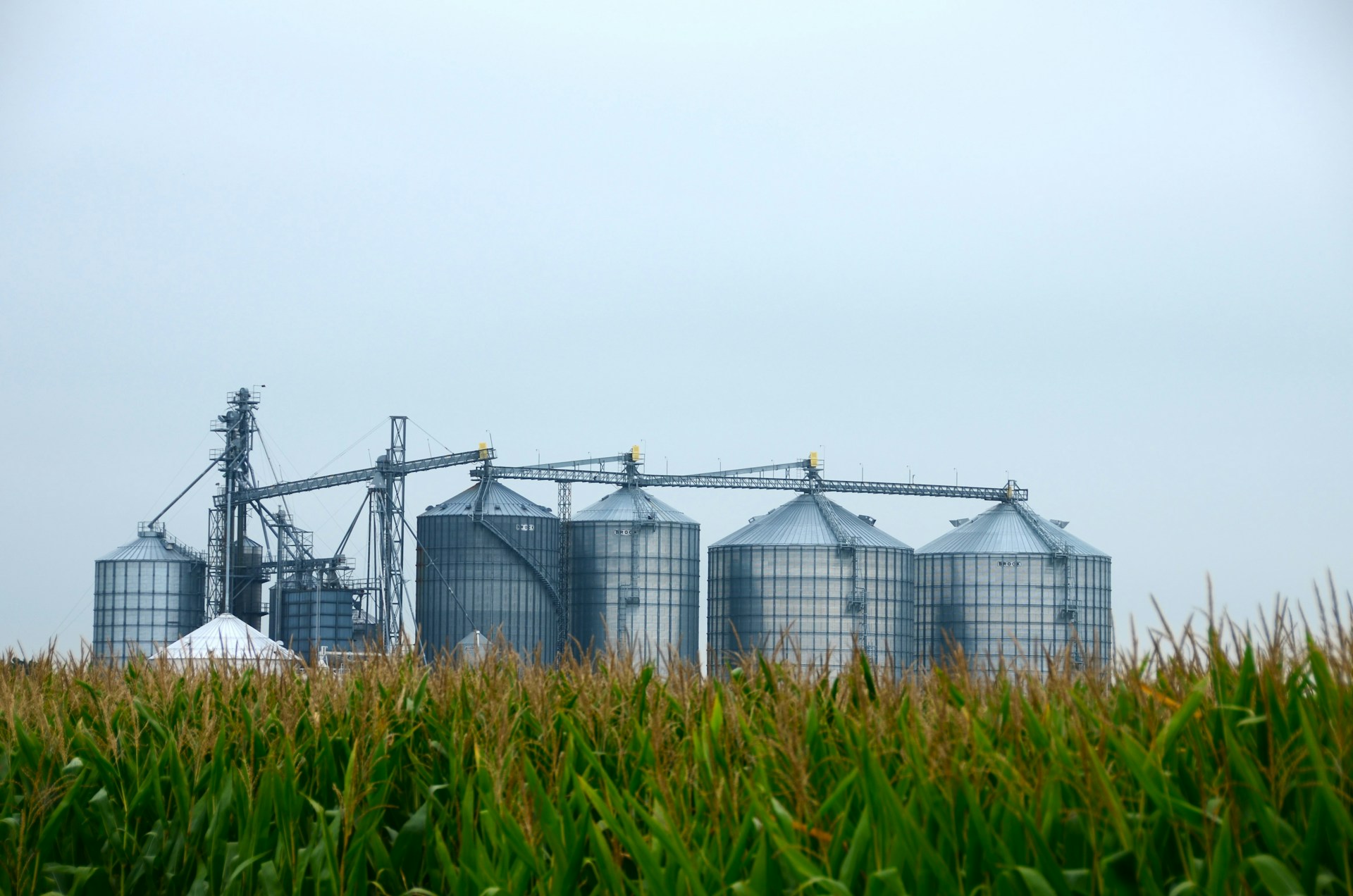
Every successful harvest represents months of hard work, planning, and investment. However, the job does not end once crops leave the field. Poor storage conditions can quickly degrade grain quality, reduce profits, and cause significant losses for farmers and suppliers. Because of this, proper storage systems have become just as important as crop production itself. Today, many producers rely on grain preservation technology to protect harvests from moisture, insects, mold, and temperature changes.
As agriculture continues to evolve, grain storage methods must improve as well. Farmers now face greater pressure to reduce waste, maintain food quality, and meet rising market demands. At the same time, changing weather patterns create additional challenges during storage and transportation. Therefore, advanced preservation strategies help farms protect both product value and long-term profitability. With the right approach, growers can maintain grain quality while reducing financial risk throughout the storage season.
Managing Moisture to Prevent Crop Damage
Moisture remains one of the biggest threats to stored grain. Even small increases in humidity can create conditions that encourage mold growth and spoilage. As a result, grain may lose quality before it ever reaches the market.
Farmers often use drying systems immediately after harvest to reduce moisture levels safely. In addition, storage facilities now include advanced monitoring tools that track humidity changes inside bins and silos. These systems allow operators to respond quickly before problems spread. When moisture stays under control, grain remains safer and more stable for longer periods.
Temperature Control as a Critical Defense
Heat can seriously affect stored crops. Warm conditions increase insect activity, accelerate spoilage, and degrade grain quality over time. Therefore, temperature management plays a major role in long-term preservation.
Modern storage facilities often include aeration systems that evenly distribute cool air through grain bins. This airflow helps maintain stable conditions while preventing hot spots from developing. Moreover, regular temperature monitoring allows farmers to identify risks early. Strong temperature control protects both crop quality and market value throughout storage periods.
Preventing Pest Infestations Before They Spread
Insects and rodents can destroy large amounts of grain if left unchecked. Once pests enter storage systems, they may contaminate crops and create serious financial losses. Because of this, prevention remains far more effective than reacting after infestations begin.
Clean storage areas, sealed structures, and routine inspections all help reduce pest risks. Many facilities also use traps and monitoring systems to detect activity early. In the middle of these prevention efforts, post-harvest protection systems help farmers maintain safer conditions while reducing the risk of crop contamination. Consistent monitoring enables operators to control long-term storage conditions better.
Improving Airflow for Better Storage Stability
Air circulation directly affects grain quality during storage. Without proper airflow, moisture and heat may collect unevenly inside bins. Consequently, sections of grain can spoil while the rest of the storage remains unaffected.
Aeration fans and ventilation systems help distribute air evenly throughout the structure. These tools maintain more stable temperatures and reduce moisture buildup in problem areas. Furthermore, improved airflow lowers the chance of mold growth and unpleasant odors. Farms that invest in robust ventilation systems often experience lower overall storage losses.
Using Smart Monitoring Technology for Early Detection
Technology now plays a major role in modern grain preservation. Farmers no longer need to rely entirely on manual inspections to detect storage issues. Instead, digital systems can continuously monitor conditions and provide early warnings when problems arise.
Sensors placed throughout storage bins track temperature, humidity, and grain condition in real time. As a result, operators can address small concerns before they become major losses. Remote monitoring systems also save time by allowing farmers to check storage conditions from mobile devices. This combination of convenience and accuracy supports stronger harvest protection.
Reducing Financial Losses Through Better Preservation
Crop loss during storage can significantly reduce farm income. Even minor spoilage may affect grain grading, market pricing, and transportation approval. Therefore, protecting stored crops becomes an important part of maintaining profitability.
Advanced storage systems often reduce waste while preserving grain quality longer. In addition, better preservation allows farmers greater flexibility in choosing the best time to sell their crops. Stronger storage conditions also reduce emergency handling costs caused by spoilage or contamination. Over time, improved preservation strategies support both financial stability and operational efficiency.
Maintaining Food Safety Across the Supply Chain
Consumers and food manufacturers expect safe, high-quality grain products. Because of this, grain storage systems must support strict food safety standards from harvest through distribution. Poor storage conditions can introduce contamination, affecting both health and market trust.
Modern facilities now focus heavily on cleanliness, traceability, and environmental control. Routine inspections and careful handling procedures help maintain safer storage conditions throughout the supply chain. In many cases, controlled atmosphere storage systems further improve food safety by limiting oxygen levels that encourage insects and spoilage organisms. These methods support stronger quality control for long-term preservation.
Building Long-Term Security for Future Harvests
Protecting grain after harvest requires careful planning, reliable equipment, and consistent monitoring. Farmers who invest in stronger storage systems often reduce waste while improving overall crop value. They also create more flexibility during changing market conditions and transportation delays.
Modern preservation strategies continue to evolve as agriculture faces new environmental and economic challenges. Farms that adopt advanced storage methods now may gain stronger protection against future risks. More importantly, they help secure stable food supplies while protecting the value of every harvest season.
Long-term grain preservation depends on preparation and consistency. When farmers control moisture, improve airflow, prevent pests, and monitor storage carefully, they create safer conditions for crops year-round. As technology and storage systems continue to improve, advanced grain protection will remain essential for sustainable agriculture and global food security.