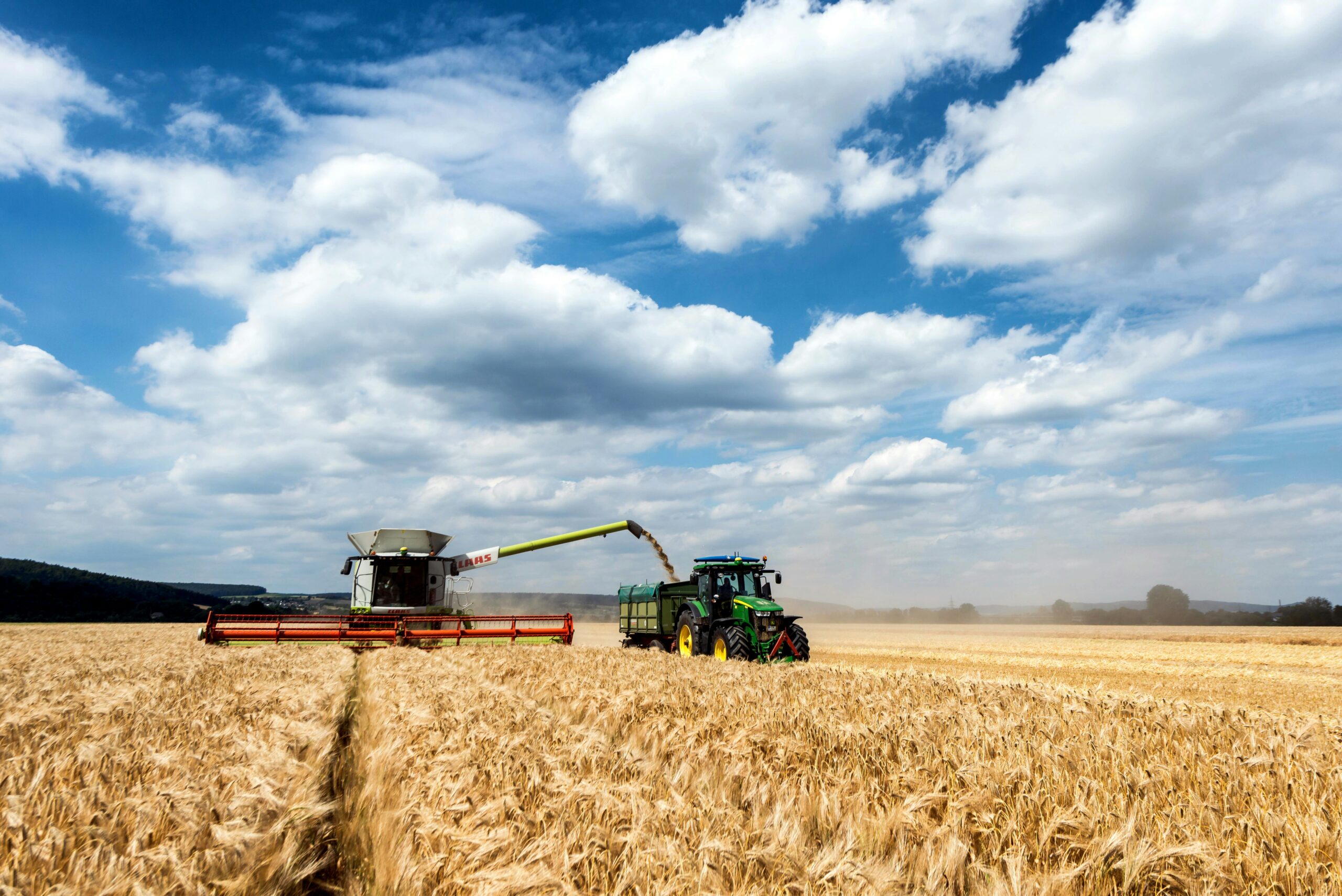
The grain economy serves as the foundation of modern agriculture. Every year, farmers produce millions of tons of wheat, corn, rice, soybeans, barley, and other grains that support food production, livestock feeding, industrial manufacturing, and international trade. While growing a successful crop remains essential, true agricultural success depends on what happens after harvest. Farmers must convert production into income through careful planning, strategic marketing, and strong business management.
Many people focus only on the farming side of agriculture. However, the grain economy extends far beyond planting and harvesting. It includes storage, transportation, pricing, market analysis, trade activity, and financial decision-making. Every stage affects profitability. Therefore, farmers who understand the business side of the grain economy often create stronger revenue streams and improve long-term financial stability.
Understanding the Grain Economy
The grain economy represents the network of activities that move grain from farms to final consumers. This system includes producers, grain elevators, processors, exporters, transportation providers, retailers, and end users. Together, these participants create the market conditions that influence farm income.
Because grain markets connect local farms to global demand, farmers must pay attention to more than crop production. They need to understand how economic trends, consumer demand, trade policies, and supply conditions affect pricing. As a result, knowledge of the grain economy helps producers make more informed business decisions.
Why Farm Income Depends on More Than Yield
Many farmers work hard to increase crop yields because larger harvests often create greater revenue opportunities. However, yield alone does not determine profitability. Production costs, market prices, storage expenses, and sales timing all influence the final financial outcome.
For example, a farm may achieve excellent yields during a year when grain prices decline due to oversupply. In contrast, another farm may produce a smaller crop but earn stronger revenue because prices remain high. Therefore, farmers must balance production goals with effective business strategies.
The Role of Grain Market Trends
Grain market trends influence nearly every aspect of farm profitability. Prices change because of supply levels, weather conditions, export demand, fuel costs, and economic activity. Farmers who monitor these trends gain valuable insight into market opportunities.
Market awareness helps producers decide when to sell grain and when to hold inventory. Additionally, understanding market direction allows farmers to prepare for potential risks. Consequently, knowledge of the grain market is an important part of successful farm management.
Storage as a Business Tool
Grain storage does more than protect harvested crops. It also creates marketing flexibility. During harvest, large grain supplies often place pressure on prices. Farmers who can store grain may choose to delay sales until market conditions improve.
Proper storage also helps maintain quality. Moisture control, aeration systems, and regular inspections reduce losses from spoilage and pests. Therefore, storage facilities support both product quality and revenue potential. Many successful producers view storage as an investment rather than an expense.
Marketing Grain for Maximum Value
Marketing plays a major role in the grain economy. Farmers who develop clear marketing strategies often achieve better financial results than those who sell without a plan. A strong marketing approach reduces uncertainty and helps producers respond effectively to changing market conditions.
Many farmers spread sales throughout the year rather than selling all the grain at once. This strategy allows them to capture different pricing opportunities while reducing risk. As market conditions shift, flexible marketing plans help protect revenue and improve profitability.
The Impact of Global Demand
Global demand remains one of the strongest drivers of the grain economy. Growing populations require more food, livestock feed, and agricultural products. At the same time, developing economies continue to increase grain consumption as incomes rise.
This demand creates opportunities for grain producers around the world. Export markets often provide valuable revenue sources when domestic demand remains limited. Therefore, farmers who understand global trends can better position themselves for growth and success.
Transportation and Market Access
Transportation connects farms to buyers and markets. Trucks, railways, barges, and shipping networks move grain through the supply chain. Without efficient transportation systems, farmers may struggle to access profitable markets.
Transportation costs also affect final revenue. Higher shipping expenses can reduce profit margins, while efficient logistics improve competitiveness. Consequently, transportation remains a critical component of the grain economy and an important factor in farm profitability.
Technology and Modern Farm Business Management
Technology continues to transform the business side of agriculture. Farmers now use digital tools to monitor prices, track expenses, analyze yields, and evaluate market conditions. These technologies provide valuable information that supports better decision-making.
Farm management software helps producers organize financial records, manage inventories, and measure profitability. Furthermore, real-time market information allows farmers to respond quickly to changing conditions. Technology, therefore, strengthens both operational efficiency and financial performance.
Managing Costs in the Grain Economy
Successful farms pay close attention to cost management. Input expenses such as seed, fertilizer, fuel, labor, and machinery maintenance directly affect profitability. Even when grain prices remain strong, excessive costs can reduce margins.
Farmers who monitor expenses carefully often identify opportunities for improvement. Precision agriculture, efficient equipment use, and strategic purchasing decisions help reduce unnecessary spending. As a result, cost control becomes a powerful tool for improving farm income.
Risk Management and Financial Stability
Agriculture involves uncertainty. Weather events, market volatility, disease pressure, and economic changes can affect production and profitability. Because of these risks, farmers need strategies that protect their operations and support long-term stability.
Risk management tools include crop insurance, diversified production systems, storage programs, and marketing contracts. These approaches help farmers reduce exposure to unexpected challenges. Therefore, strong risk management supports both business continuity and financial confidence.