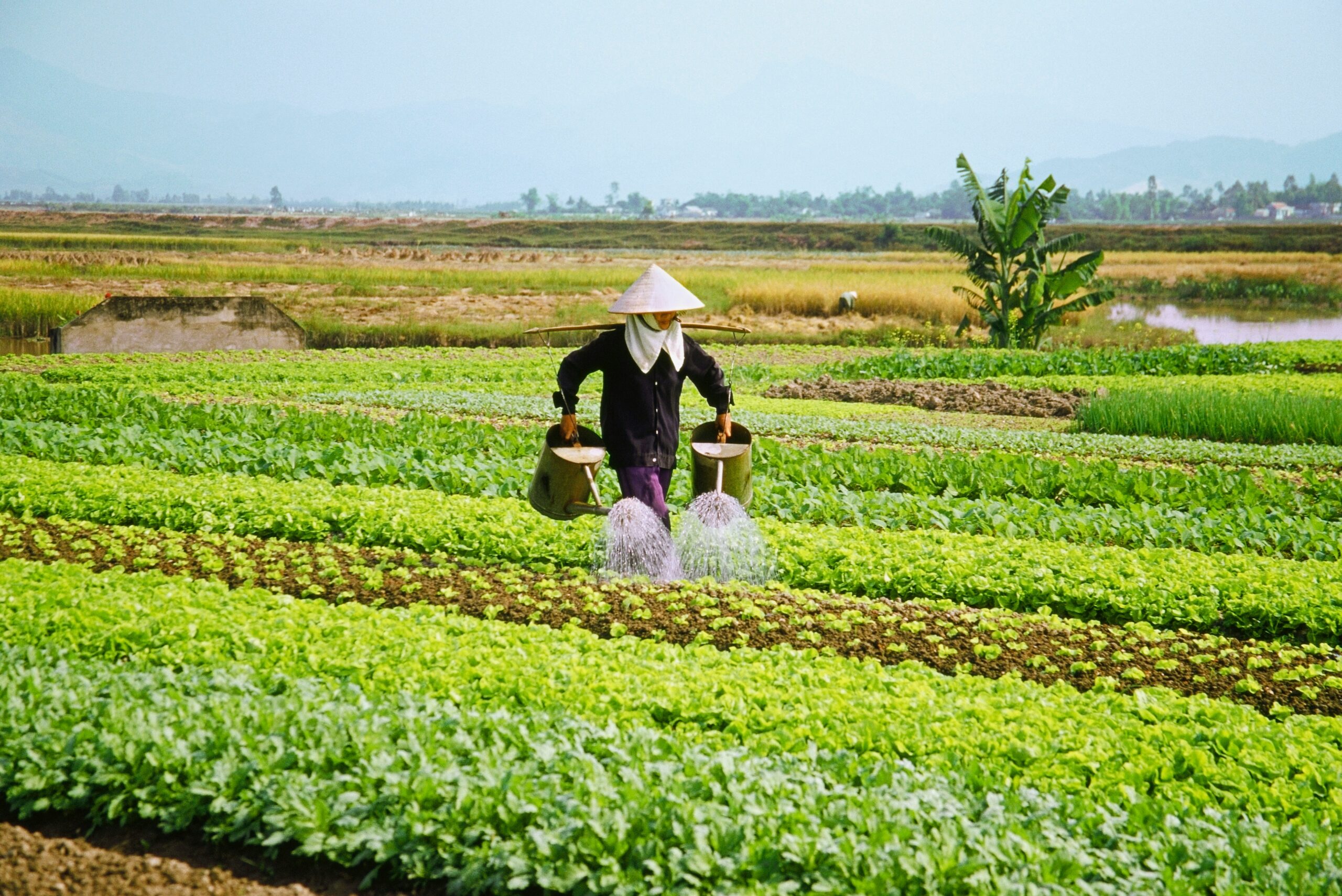
Agriculture has always been shaped by changing weather, new technologies, and the needs of growing populations. Today, farmers face even greater challenges, including climate shifts, limited natural resources, and increasing demand for healthy food. Sustainable farming offers practical solutions that help producers meet these challenges while protecting the land that supports future generations.
Modern sustainable agriculture is not about returning to old methods or relying only on advanced technology. Instead, it combines proven farming practices with innovative tools to create productive, resilient systems. Farmers who embrace these balanced approaches can improve efficiency, reduce waste, and build stronger operations that remain successful for years to come.
Building Healthier Soil From the Ground Up
Healthy soil is the foundation of every successful farm. Rich soil provides nutrients, stores water, supports beneficial organisms, and creates strong conditions for crop growth. Sustainable farmers invest time in improving soil rather than simply replacing nutrients with synthetic fertilizers year after year.
Practices such as crop rotation, compost application, reduced tillage, and cover cropping help restore soil structure and increase organic matter. These methods also reduce erosion, improve water retention, and encourage earthworms and beneficial microbes. Over time, healthier soil becomes more productive while requiring fewer outside inputs.
Using Water More Efficiently
Water is becoming one of agriculture’s most valuable resources. Many farming regions experience longer dry seasons, changing rainfall patterns, or increased competition for freshwater supplies. Efficient water management helps farms stay productive even during uncertain conditions.
Drip irrigation, moisture sensors, rainwater collection, and careful irrigation scheduling allow farmers to deliver water where it is needed most. Mulching also reduces evaporation while keeping soil temperatures more stable. Together, these techniques help conserve water, lower operating costs, and improve crop quality.
Precision Agriculture Improves Decision Making
Technology has transformed the way many farms operate. Precision agriculture allows producers to gather accurate information before making important decisions about planting, fertilizing, irrigation, and pest management. Instead of treating every field the same, farmers can respond to the specific needs of each area.
GPS guidance systems, drones, satellite imagery, and field sensors provide valuable data throughout the growing season. This information helps reduce unnecessary fertilizer and pesticide applications while improving crop performance. Better decisions often lead to stronger yields and more efficient use of resources.
Supporting Biodiversity Across the Farm
A healthy farming system depends on more than crops alone. Birds, insects, pollinators, soil organisms, and wildlife all contribute to balanced ecosystems that support long-term productivity. Sustainable farming encourages biodiversity instead of removing every natural element from the landscape.
Farmers can create pollinator habitats, preserve hedgerows, establish buffer strips near waterways, and plant diverse crop rotations. These features provide homes for beneficial insects that naturally control pests while improving pollination. Greater biodiversity also strengthens resilience against environmental changes and disease outbreaks.
Reducing Chemical Dependence
Chemical products remain useful tools in agriculture, but sustainable farming encourages careful and responsible use rather than routine application. Excessive chemical use can affect soil health, water quality, and beneficial insects, creating long-term challenges for both farms and surrounding communities.
Integrated Pest Management offers a practical alternative by combining crop monitoring, biological controls, resistant crop varieties, and targeted treatments only when necessary. This balanced approach helps maintain healthy crops while reducing unnecessary chemical exposure and protecting valuable ecosystems.
Renewable Energy on Modern Farms
Energy costs can significantly affect farm profitability. Many agricultural operations now invest in renewable energy systems that lower expenses while reducing environmental impact. Solar panels, wind turbines, and biogas systems are becoming increasingly practical for farms of many sizes.
Solar-powered irrigation pumps, electric equipment charging stations, and energy-efficient storage facilities help reduce dependence on traditional fuels. Some farms even generate excess electricity that can be sold back to local utility providers. Renewable energy creates additional financial opportunities while supporting environmental sustainability.
Choosing Crops That Match Local Conditions
Every farming region has unique soil types, weather patterns, and growing conditions. Selecting crops that naturally perform well in local environments often produces better results than forcing unsuitable varieties to succeed with heavy resource use.
Farmers also diversify production by growing multiple crops throughout the year. Crop diversity spreads financial risk, interrupts pest cycles, improves soil fertility, and creates additional income opportunities. Farms with diverse production systems often recover more quickly from weather events or market changes.
Livestock Management With Sustainability in Mind
Livestock play an important role in many sustainable farming systems. Proper grazing management improves pasture health while allowing animals to contribute natural fertilizer that supports soil fertility. Rotational grazing prevents overgrazing and encourages healthy plant regrowth.
Farmers also improve animal welfare through clean housing, balanced nutrition, preventive healthcare, and reduced stress. Healthy animals generally require fewer medical treatments and achieve better outcomes, benefiting both farmers and consumers.
Reducing Food Waste Throughout Production
Food waste represents a major challenge across the agricultural supply chain. Crops can be lost during harvesting, transportation, storage, or processing if proper systems are not in place. Sustainable farming seeks to reduce these losses whenever possible.
Improved storage facilities, better packaging, careful harvest timing, and stronger distribution networks help preserve food quality. Some farms also find creative uses for products that cannot enter retail markets, including livestock feed, compost production, or food donation programs that reduce waste while supporting local communities.
Education Drives Continuous Improvement
Sustainable agriculture continues to evolve as new research, technologies, and farming experiences become available. Farmers who remain open to learning often discover practical ways to improve efficiency and adapt to changing conditions.
Agricultural extension programs, research institutions, industry conferences, and farmer networks provide valuable opportunities to exchange ideas and learn from real-world experiences. Sharing successful practices helps entire farming communities become stronger and more resilient over time.
Preparing Agriculture for Future Generations
The future of farming depends on balancing productivity with responsible resource management. Sustainable agriculture recognizes that healthy land, clean water, thriving ecosystems, and profitable farms work together rather than compete.
As climate conditions continue to evolve and global food demand increases, sustainable farming will remain a practical path forward. By combining innovation with responsible stewardship, farmers can produce abundant harvests while protecting natural resources for future generations. Growing smarter today creates stronger farms, healthier communities, and a more secure food supply for tomorrow.